
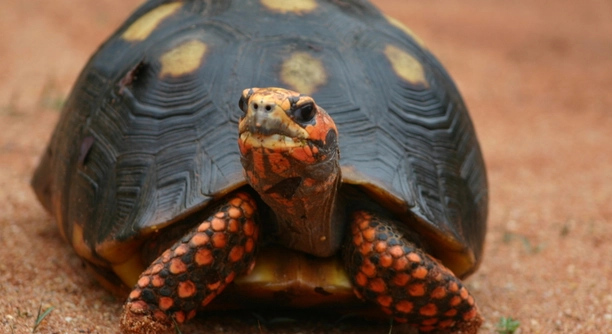
Calcium is an essential nutrient for red-footed tortoises to maintain strong bones and overall health. It’s important to provide them with a variety of calcium-rich foods to support their well-being and growth.
The best calcium sources for red-footed tortoises include dark leafy greens like collard greens, kale, and dandelion greens, as well as calcium supplements and occasional safe fruits. Providing a variety ensures they receive optimal calcium for healthy bones and shell development.
These options will help you make the best decisions for your tortoise’s diet and ensure they stay healthy and strong.
Dark Leafy Greens: A Key Calcium Source
Dark leafy greens are a top choice for red-footed tortoises, offering both calcium and other essential nutrients. These vegetables are not only nutritious but also easy to incorporate into their diet. Common options include collard greens, kale, and dandelion greens. These greens are rich in calcium and have the right balance of vitamins and minerals that support a tortoise’s bone health and shell growth.
While dark leafy greens are great for tortoises, it’s essential to rotate them for variety and balance. Too much of one type of green can lead to excess of certain nutrients, which can affect your tortoise’s overall health. Offer a mix of greens throughout the week, ensuring they are fresh and free of pesticides or harmful chemicals.
Feeding these greens regularly ensures that your tortoise gets the necessary calcium. However, you should also provide other food items to maintain a balanced diet. Variety is key to ensuring they get all their nutritional needs.
Calcium-Rich Fruits
Certain fruits, when given in moderation, can provide a nice calcium boost.
Fruits like figs, papaya, and raspberries are good sources of calcium. They are also high in water content, which is beneficial for hydration. However, due to their sugar content, fruits should only be an occasional treat rather than a staple of their diet. Overfeeding fruits can lead to digestive issues.
While fruits aren’t the primary source of calcium, incorporating them occasionally provides an additional nutritional benefit. This also helps keep your tortoise interested in their meals. Keep an eye on portion sizes to avoid overfeeding and ensure proper balance in their diet.
Calcium Supplements: A Helpful Addition
Calcium supplements are a good way to ensure your red-footed tortoise is getting enough of this essential mineral. These supplements come in various forms, including powders and cuttlebone, which can be easily added to their food.
When using calcium supplements, it’s important not to overdo it. Excess calcium can cause kidney problems and other health issues. Always follow the recommended dosage on the supplement packaging or consult a vet for guidance. Regularly offering calcium in addition to their natural food sources ensures they get a balanced intake.
Cuttlebone is a popular choice for tortoises because it’s easy for them to chew and provides a slow release of calcium. It’s also a great way for tortoises to satisfy their natural need to gnaw. Place the cuttlebone in their enclosure, allowing them to chew on it as needed.
Calcium-Rich Flowers
Certain edible flowers provide a nice boost of calcium to your tortoise’s diet. Flowers like hibiscus, dandelions, and nasturtiums are excellent choices. These blooms are often easy to find and safe for tortoises to consume.
You can find many of these flowers in your garden or local markets. Be sure to avoid any flowers that have been treated with pesticides or chemicals. Fresh flowers are ideal, but dried flowers can also be used as a supplement. These flowers provide not only calcium but also a range of other nutrients that support your tortoise’s health.
Offering a variety of calcium sources is essential, and edible flowers can provide a fun and healthy way to mix things up. They also help keep your tortoise engaged and interested in their meals. Rotate different flowers for variety and balance in their diet.
Calcium-Fortified Foods
Calcium-fortified foods are a convenient way to supplement your tortoise’s diet. These foods are enriched with calcium, making it easier to ensure they are getting enough. You can find specially designed foods like tortoise pellets or commercial mixes that are fortified with calcium.
These fortified options are easy to feed and often contain a blend of nutrients that support your tortoise’s overall health. However, they should not be relied on as the sole source of calcium. It’s important to offer a variety of natural calcium sources along with these fortified options.
Grass and Weeds
Wild grasses and weeds can be a great source of calcium for your tortoise. Plants like clover, dandelions, and plantain are common calcium-rich options.
Gathering wild grass and weeds ensures your tortoise gets fresh, natural food full of calcium. Just make sure they are free of chemicals and pesticides. These plants are also high in fiber, which is beneficial for digestion. Providing them in their natural form adds variety to their diet.
FAQ
What are the signs of calcium deficiency in red-footed tortoises?
Calcium deficiency in red-footed tortoises can show up in several ways. A common sign is soft or deformed shells, which may indicate improper shell growth. You might also notice your tortoise being more lethargic than usual or having difficulty moving. In more severe cases, you could see fractures in the shell or limbs, which suggests a lack of calcium has affected their bone health.
To prevent this, ensure a balanced diet rich in calcium. Supplement their food with calcium powder or cuttlebone if necessary. If you suspect your tortoise has calcium deficiency, it’s best to consult a vet for guidance.
Can I give my red-footed tortoise too much calcium?
Yes, giving your tortoise too much calcium can lead to health problems. Over-supplementing with calcium can cause kidney issues or other metabolic imbalances. This happens when the body is unable to process the excess calcium, leading to calcium buildup in the organs.
To avoid this, always stick to the recommended calcium levels. Balance the amount of fortified foods, supplements, and natural calcium sources. Moderation is key to keeping your tortoise healthy.
How can I make sure my tortoise gets enough calcium from their food?
The best way to ensure your tortoise gets enough calcium is by offering a variety of calcium-rich foods. Include dark leafy greens, like collard greens, kale, and dandelion greens, in their diet. You can also supplement their meals with calcium-rich fruits, such as figs and papayas, and use calcium supplements like cuttlebone.
It’s essential to offer a well-rounded diet with a mix of vegetables, fruits, and occasional protein to balance the nutrients. You can also dust their food with calcium powder a few times a week if you feel additional supplementation is necessary.
Can I give my tortoise calcium supplements every day?
Calcium supplements can be offered regularly, but it’s not recommended to give them every day. Over-supplementing can lead to calcium imbalance, which could negatively impact your tortoise’s health.
Instead, aim to provide calcium supplements two to three times a week, depending on the calcium content in their natural food sources. If you notice any signs of over-supplementation or calcium deficiency, consult a vet for the best course of action.
Are there any foods I should avoid because they interfere with calcium absorption?
Yes, certain foods can interfere with calcium absorption in red-footed tortoises. Foods high in oxalates, such as spinach, beet greens, and rhubarb, can bind with calcium and prevent your tortoise from absorbing it properly.
While these foods are not harmful in small amounts, they should be fed sparingly to avoid any negative impact on calcium levels. It’s best to focus on calcium-rich foods that do not have high oxalate content, like dandelion greens and collard greens.
How can I make sure my tortoise gets enough vitamin D3 for calcium absorption?
Vitamin D3 plays a vital role in calcium absorption, and without it, your tortoise may struggle to process the calcium in their diet. To make sure they get enough, it’s essential to provide proper UVB lighting, as it helps tortoises synthesize vitamin D3 naturally.
UVB light is crucial for tortoises housed indoors, as it mimics sunlight and aids in their overall health. Make sure the light source is positioned correctly and replaced regularly to maintain the right intensity. If you can’t provide natural sunlight, UVB bulbs should be used to supplement their needs.
Can I feed my tortoise calcium supplements without UVB lighting?
Feeding calcium supplements without UVB lighting is not ideal. While calcium supplements can help, without proper UVB light, your tortoise may not be able to absorb the calcium effectively. Vitamin D3, which is activated by UVB light, is necessary for proper calcium metabolism.
Without UVB exposure, your tortoise’s bones and shell may become weak, even if they are receiving adequate calcium from food or supplements. Always provide both UVB lighting and calcium-rich foods to ensure optimal health.
What are the best natural sources of calcium for red-footed tortoises?
The best natural sources of calcium for red-footed tortoises include dark leafy greens like collard greens, kale, and dandelion greens. Edible flowers, such as hibiscus and nasturtiums, are also good sources. Additionally, wild grasses and weeds like clover and plantain provide calcium along with other beneficial nutrients.
These natural foods are easily digestible and help promote strong bone and shell health. Incorporating a variety of these foods into their diet ensures they receive a balanced amount of calcium and other necessary vitamins and minerals.
Final Thoughts
Ensuring that your red-footed tortoise gets enough calcium is essential for its overall health and well-being. Calcium plays a vital role in bone and shell development, and without it, your tortoise could face serious health problems. By offering a variety of calcium-rich foods, such as dark leafy greens, fruits, and calcium-fortified options, you can help maintain a balanced diet that supports their growth and vitality. Additionally, providing natural sunlight or UVB lighting is crucial for the proper absorption of calcium, so be sure to incorporate both dietary and environmental factors into your tortoise’s care routine.
While it’s important to provide calcium, balance is key. Too much calcium can cause kidney issues and other metabolic problems. For this reason, avoid over-supplementing and ensure that calcium is given in the right amounts, two to three times a week. A mix of natural sources and calcium supplements, when needed, will help keep your tortoise healthy. You also want to avoid foods high in oxalates, as they can interfere with calcium absorption. Maintaining a diverse diet will help your tortoise get the nutrients it needs without causing any harm.
In addition to a well-balanced diet, regular checkups with a veterinarian can help ensure that your red-footed tortoise is receiving the proper nutrition and care. If you notice any signs of calcium deficiency, such as a soft shell or slow movements, seek professional advice immediately. By staying mindful of your tortoise’s diet and environment, you can help it live a long, healthy life. A little effort in providing the right foods and supplements will go a long way in ensuring your tortoise thrives.

Hello,
If you enjoy the content that we create, please consider saying a "Thank You!" by leaving a tip.
Every little bit helps us continue crafting quality advice that supports the health, happiness, and well-being of pets around the world, for pets of all shapes, sizes, and species.
We really appreciate the kindness and support that you show us!