
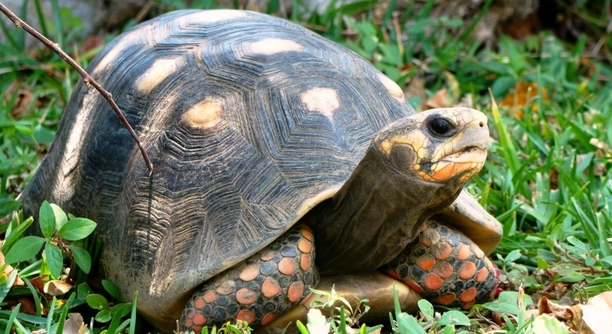
Finding the right calcium sources for your red-footed tortoise can help ensure their health and well-being. Calcium is essential for strong bones and overall vitality. Here are the best options to support your tortoise’s needs.
The best calcium sources for red-footed tortoises include calcium-rich plants, supplements, and foods like kale, dandelion greens, and cuttlebone. These options provide necessary nutrients for bone health. Proper use of these sources supports strong, healthy growth for your tortoise.
Understanding how to properly incorporate these calcium sources into your tortoise’s diet ensures their long-term health. Continue reading to discover practical tips for using them effectively.
1. Calcium-Rich Plants for Red-Footed Tortoises
One of the most natural ways to provide calcium to your red-footed tortoise is through plants. Many common plants offer calcium, and adding them to your tortoise’s diet is a great option. Dandelion greens, kale, and collard greens are excellent choices. They not only provide calcium but also other essential nutrients. Incorporating these greens into your tortoise’s meals is simple, and they can be found at local grocery stores or grown at home. The calcium in these plants helps your tortoise maintain strong bones and a healthy shell.
While it’s essential to feed a variety of plants, keep in mind that some, like spinach, contain oxalates, which can interfere with calcium absorption. Providing a mix of calcium-rich plants ensures your tortoise gets the nutrients it needs.
Fresh, organic plants are ideal for your red-footed tortoise. Regularly rotating between different greens is crucial to keep their diet balanced. These greens are easy to find and can be served as a staple part of their diet.
2. Cuttlebone: An Essential Supplement
Cuttlebone is a popular and effective calcium supplement for red-footed tortoises. It’s affordable and easy to use. Placing a piece in your tortoise’s habitat allows them to nibble on it whenever they need extra calcium.
Cuttlebone is a natural source of calcium and can be found at most pet stores. It’s ideal for providing extra calcium outside of meals. Be sure to replace the cuttlebone as it gets worn down. Over time, your tortoise will naturally regulate how much they consume based on their needs. You can also find cuttlebone that is specially formulated with additional nutrients.
This simple, effective supplement can be the key to preventing calcium deficiencies. Make sure to offer it regularly to maintain strong bones and a healthy shell for your tortoise.
3. Calcium Supplements: Adding Extra Support
Calcium supplements are another easy way to ensure your red-footed tortoise gets the necessary nutrients. Available in powder or liquid form, these supplements can be sprinkled over their food. Using calcium powder or liquid regularly ensures they get adequate amounts for proper growth.
Be cautious when using supplements. While they’re beneficial, over-supplementing can cause problems, like kidney issues or imbalanced nutrition. Following the recommended dosage on the packaging is crucial. Keep in mind that a balanced diet with a variety of foods is just as important as supplementation. If you’re unsure, consult a vet for guidance on proper use.
The best time to use supplements is when you’re feeding other vegetables or fruits that don’t naturally contain calcium. Sprinkling or dipping the food in calcium powder ensures the tortoise receives it. Make sure the supplement doesn’t overpower the natural taste of the food.
4. Commercial Tortoise Foods with Added Calcium
Commercial tortoise food often contains added calcium, which is convenient for busy owners. These foods are specially formulated to meet your tortoise’s dietary needs. However, they should not be the only source of food. Commercial options should complement fresh greens, fruits, and natural supplements.
It’s important to read the label when choosing commercial foods. Some brands add excessive amounts of calcium or other nutrients, which could lead to imbalances. The right balance of nutrients will support your tortoise’s health without overloading them with calcium. Always look for trusted brands with clear labeling and balanced formulas.
While commercial foods can be convenient, feeding a variety of fresh, natural options is still key. Combine them with your tortoise’s regular meals to ensure they get the best diet possible. Keep in mind that these foods are not a replacement for the essential variety of fresh greens, fruits, and cuttlebone.
5. Safe Vegetables High in Calcium
Some vegetables are naturally high in calcium, providing a great option for your tortoise. Collard greens, mustard greens, and turnip greens are among the best choices. These leafy vegetables should be part of your tortoise’s regular diet for strong bones.
These vegetables also provide additional nutrients like vitamins A and C, making them a well-rounded option. Fresh, organic varieties are always preferred to ensure the best quality. Incorporating them regularly into meals helps maintain healthy bone development. Be sure to rotate the types of greens to avoid nutritional imbalances and keep meals interesting.
6. Avoiding Calcium Blockers
Certain foods and substances can block calcium absorption, so be mindful of what your tortoise eats. Foods like spinach, beet greens, and high-oxalate vegetables may interfere with calcium intake.
These foods can cause a calcium deficiency over time if fed in excess. While these vegetables are nutritious, they should be offered in moderation. Ensure that the majority of your tortoise’s diet is made up of calcium-rich foods to maintain proper bone health. This simple precaution will keep your red-footed tortoise strong and healthy.
7. Sunlight and Calcium Absorption
Sunlight plays a significant role in calcium absorption for red-footed tortoises. Direct exposure to sunlight helps them synthesize vitamin D, which is crucial for calcium utilization. This is vital for bone strength.
Make sure your tortoise has access to a safe outdoor environment where they can bask in the sun. If outdoor time isn’t an option, providing UVB lighting indoors is essential. UVB lights are designed to simulate sunlight and support your tortoise’s ability to absorb calcium efficiently. Regular exposure to UVB light will help your tortoise thrive.
FAQ
What are the signs of calcium deficiency in red-footed tortoises?
Calcium deficiency in red-footed tortoises can show through various signs. One of the most common symptoms is soft or deformed shells, which might indicate that the tortoise isn’t getting enough calcium for proper shell development. You might also notice weakness or difficulty in moving, especially if their bones aren’t strong enough. Another sign to look out for is the tortoise becoming more lethargic or less active than usual. If you observe any of these signs, it’s crucial to evaluate your tortoise’s diet and calcium intake. Consulting with a veterinarian will ensure proper diagnosis and treatment.
Can I give my red-footed tortoise too much calcium?
Yes, over-supplying calcium can be harmful to your tortoise. Too much calcium can lead to kidney problems, shell deformities, and other health issues. While it’s important to ensure your tortoise gets enough calcium, balance is key. If you’re providing supplements, be careful to follow the instructions and never exceed the recommended dosage. Natural food sources, like calcium-rich greens, should be fed in moderation as well. Maintaining a balanced diet with proper calcium levels will help your tortoise stay healthy and avoid complications.
What fruits are good sources of calcium for red-footed tortoises?
While fruits aren’t as calcium-rich as leafy greens, some fruits can contribute small amounts of calcium to your tortoise’s diet. Figs, papaya, and blackberries are all fruits that contain calcium and can be included in your tortoise’s diet. However, fruits should only be offered in moderation due to their high sugar content. Excessive fruit intake can lead to digestive problems or obesity. Offering fruits as an occasional treat alongside a varied diet of leafy greens and other calcium-rich foods is the best approach.
Can I use cuttlebone as the main calcium source for my red-footed tortoise?
Cuttlebone is an excellent supplement, but it should not be the sole source of calcium for your red-footed tortoise. It provides a steady supply of calcium, but it doesn’t offer other essential nutrients like vitamins and minerals. Relying only on cuttlebone might lead to nutritional imbalances. It’s best to combine it with a varied diet that includes calcium-rich plants and occasional supplements to ensure your tortoise gets everything it needs for proper growth and bone health.
How often should I supplement my red-footed tortoise’s diet with calcium?
If you’re using calcium supplements, it’s typically recommended to offer them about 2-3 times a week, depending on the diet and the tortoise’s specific needs. The frequency can vary depending on the calcium content in the natural food sources you are providing. For tortoises with a diet full of calcium-rich plants, cuttlebone, and sunlight exposure, supplementation might not be necessary every day. Always adjust the frequency based on your tortoise’s activity level, diet, and overall health. A veterinarian can help you determine the best schedule for supplementation.
Are there any vegetables that should be avoided due to high calcium content?
Certain vegetables, such as spinach and beet greens, contain high levels of oxalates, which can bind with calcium and prevent its absorption. While these vegetables are nutritious, they should be fed in moderation to avoid blocking calcium absorption. Offering these foods occasionally and balancing them with calcium-rich greens like collard greens, dandelion greens, and mustard greens will help ensure your tortoise gets the nutrients it needs without risking calcium deficiencies.
Can I provide calcium to my red-footed tortoise through dusting food?
Yes, dusting your tortoise’s food with calcium powder is an effective way to ensure they’re getting the right amount of calcium. This method works especially well when you’re feeding foods that don’t naturally contain high levels of calcium. However, be careful to use the right amount. Overdosing can cause harm, so always follow the instructions provided by the supplement manufacturer. Dusting should be done about 2-3 times a week, based on your tortoise’s overall calcium intake from other food sources.
Does my red-footed tortoise need calcium all year round?
Yes, calcium is a year-round requirement for red-footed tortoises, as they need it for continuous bone and shell development. A consistent supply of calcium is important to maintain their health and prevent deficiencies or imbalances. However, their calcium needs may slightly vary depending on factors like age, activity level, and whether they are breeding. Ensuring that their diet consistently includes calcium-rich foods and supplements when necessary will keep them strong and healthy throughout the year.
How does UVB light affect calcium absorption in red-footed tortoises?
UVB light is crucial for red-footed tortoises as it helps them synthesize vitamin D3, which is needed for proper calcium absorption. Without UVB light, even if you’re providing calcium-rich foods, your tortoise may not be able to absorb the calcium effectively. This can lead to bone and shell issues. If your tortoise doesn’t have access to natural sunlight, UVB lighting should be provided in their habitat to mimic outdoor conditions. Regular exposure to UVB light ensures proper calcium utilization and supports overall health.
Final Thoughts
Ensuring your red-footed tortoise receives enough calcium is essential for their overall health, particularly for strong bones and a healthy shell. With the right diet and proper care, you can easily meet their calcium needs. Calcium-rich vegetables, like collard greens and dandelion greens, should be a regular part of their meals. Supplementing with cuttlebone and calcium powder can also be beneficial, but moderation is key. It’s important to balance their diet with a variety of foods to avoid nutritional imbalances. With a little planning and consistency, you can easily provide a healthy, calcium-rich diet for your tortoise.
In addition to diet, proper UVB lighting or access to natural sunlight is crucial for calcium absorption. Without UVB exposure, your tortoise may struggle to properly absorb calcium, leading to bone and shell health issues. Providing an environment where your tortoise can bask in natural sunlight or use a UVB lamp indoors will ensure they can synthesize vitamin D3, which is necessary for calcium absorption. Keeping their habitat well-lit and offering outdoor time whenever possible is an easy way to promote overall well-being.
Remember, small changes in diet and care can make a big difference in your tortoise’s health. Monitor their calcium intake, but avoid over-supplementing, as too much calcium can cause problems as well. Always consult a vet if you notice signs of deficiency, such as a soft shell or lethargy. By providing the right balance of foods, supplements, and UVB light, you can help your red-footed tortoise live a healthy, happy life.

Hello,
If you enjoy the content that we create, please consider saying a "Thank You!" by leaving a tip.
Every little bit helps us continue crafting quality advice that supports the health, happiness, and well-being of pets around the world, for pets of all shapes, sizes, and species.
We really appreciate the kindness and support that you show us!