
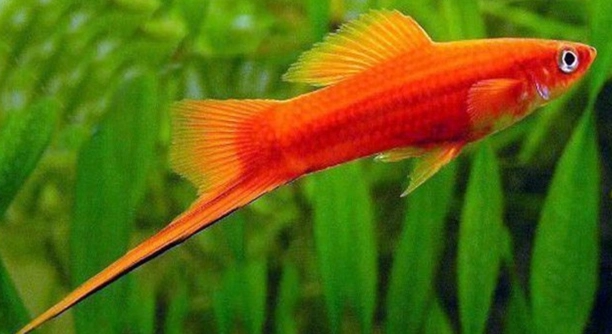
Breeding swordtail fish can be a rewarding experience for any fish enthusiast. However, successful breeding requires careful attention to specific factors that promote the health and well-being of the fish and ensure a successful breeding process.
The key to breeding swordtail fish lies in providing a stable and healthy environment. This includes maintaining proper water parameters, ensuring a balanced diet, and offering sufficient space for the fish to thrive. Consistent care encourages successful breeding.
These tips will help guide you to successful swordtail fish breeding, ensuring a thriving aquarium environment and a healthy fish population. Understanding these essential practices will make a difference in your breeding efforts.
Choosing the Right Tank Setup
When it comes to breeding swordtail fish, the setup of their tank plays a critical role in ensuring their success. A 20-gallon tank is ideal for breeding, as it provides ample space for the fish to swim and separate when necessary. It’s essential to have a well-established filtration system to maintain water quality, as swordtails are sensitive to changes in water conditions. Additionally, the substrate should consist of smooth gravel or sand to prevent injury to the fish. Plants should be placed throughout the tank to offer hiding spots for the fish and provide a sense of security, especially for the females when they are carrying eggs.
Swordtail fish thrive in a peaceful tank environment. Other fish species that share similar water requirements can be added, but it is best to avoid aggressive species that may stress the swordtails. Keep the tank temperature stable, ideally between 75°F and 82°F, to ensure healthy fish and promote breeding. Maintaining a proper water pH level of 7.0 to 8.0 is also vital for their well-being.
Providing the right tank setup will create an optimal environment for swordtails to breed and grow. Keeping the water clean and offering plenty of space will contribute to their overall health.
Diet and Nutrition for Swordtail Fish
A proper diet is key to the health and successful breeding of swordtail fish. Their diet should consist of a variety of high-quality foods, including flakes, pellets, and live foods like brine shrimp. Live foods stimulate their natural instincts and encourage breeding.
Regular feeding is important, but overfeeding should be avoided. Excess food can pollute the tank and harm the water quality. Instead, offer food in small amounts, two to three times a day. High-quality fish flakes or pellets will provide the necessary vitamins and minerals, while live foods enhance their diet with additional protein.
During the breeding process, swordtail females need extra nutrition to support the development of their embryos. Therefore, providing live foods, such as daphnia and bloodworms, can improve their chances of producing healthy fry. This balanced approach to feeding ensures that the swordtails are in peak condition for breeding and gives them the best chance of successful reproduction.
Water Quality and Maintenance
Maintaining optimal water quality is essential for the health of swordtail fish, especially when breeding. Regular water changes, about 20-25% every week, will help keep the environment clean and free of harmful toxins. Testing the water regularly ensures that the pH, ammonia, and nitrate levels stay within the safe range for swordtails.
Good filtration is crucial for maintaining clean water and oxygenating the tank. A filter designed for your tank size will help keep the water free from excess waste. It’s also important to clean the filter periodically to prevent it from clogging and losing efficiency.
Use a siphon to remove debris from the substrate and change the water during maintenance. Clean the tank decorations and equipment to ensure no buildup of algae or harmful bacteria. Ensuring good water quality will prevent stress and health issues, ultimately supporting the breeding process.
Temperature and Lighting
Swordtail fish require stable temperatures for proper breeding. The ideal temperature for breeding is between 75°F and 82°F. A temperature too low can slow down metabolism, while a temperature that’s too high may lead to stress.
Heating elements should be used to maintain a constant temperature within the ideal range. Check the temperature with a reliable thermometer to ensure accuracy. Sudden fluctuations in temperature can harm the fish and disrupt the breeding process.
Lighting also plays a role in creating a healthy environment. Swordtails do best with 10-12 hours of light each day, mimicking natural day and night cycles. Proper lighting helps regulate their biological clock and encourages natural behavior, including breeding.
Gender Ratio and Pairing
The ideal gender ratio for breeding swordtails is 1 male to 2-3 females. Males can be aggressive toward each other, so having more females will help reduce stress. This balance also increases the chances of successful mating.
Ensure the male is healthy and active before pairing. A stressed or sick male won’t perform well, which can affect the breeding process. Keeping a balanced male-to-female ratio promotes natural behavior and minimizes unnecessary aggression between males.
Breeding Behavior
Swordtail fish display interesting courtship behavior before breeding. The male will often chase the female and display his colorful swordtail to get her attention. He will nudge her abdomen with his mouth to signal his readiness to mate.
When a female is ready, she will allow the male to fertilize her eggs. After successful mating, the female will carry the fertilized eggs inside her until they develop into fry. Swordtails are livebearers, meaning they give birth to fully formed fish rather than laying eggs.
Fry Care
After the female gives birth, the fry should be separated from the adults to prevent them from being eaten. Provide plenty of hiding spaces like plants and small decorations to help the fry stay safe. The fry will need to be fed a high-protein diet, such as finely crushed flakes or baby brine shrimp.
This will help them grow quickly and stay healthy. Maintaining the water quality is just as important during this time to ensure the fry can thrive in their new environment. Regular water changes and proper filtration are essential for their survival.
FAQ
What is the best water temperature for breeding swordtail fish?
The best water temperature for swordtail breeding is between 75°F and 82°F. A stable temperature within this range ensures optimal health and encourages successful breeding. Temperatures below or above this range can stress the fish and disrupt the breeding process. Use a reliable aquarium heater to maintain a consistent temperature and avoid fluctuations.
How long does it take for swordtail fish to give birth?
After mating, female swordtails will carry the fertilized eggs for about 3 to 4 weeks before giving birth to live fry. The process can vary depending on factors such as water temperature and overall health of the female. If the conditions are ideal, the fry will be born fully formed and ready to swim immediately.
How do I know if my swordtail is pregnant?
Pregnant swordtail females will have a visibly enlarged belly, which will appear more rounded as they approach the time to give birth. You may also notice a dark spot near the anal fin, which indicates the developing fry inside. During the final stages of pregnancy, the belly will become significantly swollen.
Do swordtail fish need a breeding tank?
While it is not absolutely necessary to have a separate breeding tank, it can be helpful. A breeding tank can reduce the risk of fry being eaten by the adult swordtails. The tank should have plenty of hiding spots, such as plants or decorations, to allow the fry to stay safe. However, if you’re using the main tank, adding plenty of hiding places can also work.
How many fry do swordtail fish produce?
Swordtail fish can give birth to anywhere from 20 to 100 fry at once, depending on the size and health of the female. Larger females tend to produce more fry. After birth, it’s essential to provide proper care for the fry, including appropriate food and a safe environment to grow.
Can swordtail fish breed with other species?
Swordtail fish are part of the Xiphophorus genus and will typically only breed with other swordtails or closely related species, such as platies. However, breeding with other species is not recommended, as it can lead to unhealthy offspring and potential complications in the tank. It’s best to stick to breeding swordtails with other swordtails.
What is the best food for swordtail fry?
Swordtail fry require a high-protein diet to grow quickly and stay healthy. Offer finely crushed flakes, baby brine shrimp, or other suitable live foods like daphnia. It’s crucial to feed the fry small amounts of food several times a day. As they grow, you can gradually increase the size of the food.
Can swordtail fish breed in community tanks?
Yes, swordtails can breed in community tanks, but it’s important to ensure that there are no aggressive fish that could harm the fry or the breeding process. It’s also a good idea to include enough hiding spots in the tank to protect the fry once they are born. If you’re concerned about the fry’s survival, consider setting up a separate breeding tank or using a breeding box.
How can I improve the chances of successful breeding?
To increase the chances of successful breeding, ensure that the swordtail fish are kept in optimal conditions. This includes maintaining stable water temperature, proper filtration, and providing a balanced diet for both males and females. Ensuring that the male is healthy and active and that there is a good male-to-female ratio will also improve the chances of successful breeding.
Why are my swordtail fry not growing?
If your swordtail fry are not growing, it could be due to several factors, including poor water quality, inadequate nutrition, or overcrowding. Ensure that you’re performing regular water changes and providing high-quality food for the fry. Also, make sure that the fry have enough space and hiding spots to avoid stress.
How can I tell if my swordtail is male or female?
Male swordtail fish are generally smaller, more colorful, and have a long, sword-like tail. Females are larger, rounder, and lack the swordtail feature. The males are more aggressive and will display their tails and chase the females during mating rituals. Additionally, females tend to have a dark gravid spot near the anal fin when they are pregnant.
Do swordtails require specific tank mates?
Swordtails are peaceful fish, but they can sometimes become territorial, especially males. It’s best to house them with other peaceful species that share similar water conditions. Avoid aggressive or overly dominant fish, as they can stress the swordtails and interfere with breeding. Suitable tank mates include platies, mollies, and other calm species.
Can swordtail fish live in cold water?
Swordtail fish are not cold-water species. They thrive in temperatures between 75°F and 82°F. Prolonged exposure to temperatures outside this range can weaken their immune system and lead to health issues. For optimal health and breeding, maintaining a stable warm temperature is necessary.
How often should I feed swordtail fish?
Swordtail fish should be fed two to three times per day. Offering small amounts of food each time is better than overfeeding them. This helps maintain water quality and prevents excessive waste. Ensure that the food provided is suitable for their nutritional needs, including both flakes and live or frozen foods.
Can I breed swordtails with different colored tails?
Yes, swordtails can breed with different colored tails, as color variations are a result of genetic differences. When breeding swordtails with different colors, you may get offspring that exhibit a mix of these color traits. However, the quality of breeding will depend on the overall health and genetics of both the male and female fish.
How do I care for swordtail fish after they give birth?
After giving birth, it’s important to remove the adult swordtails from the fry tank, as they may eat the newborns. Provide the fry with proper nutrition, such as finely crushed flakes or baby brine shrimp. Keep the water clean and perform regular water changes to ensure healthy growth for the fry.
Final Thoughts
Breeding swordtail fish can be a rewarding experience, but it requires attention to detail and proper care. The key factors for success include maintaining stable water conditions, ensuring a proper male-to-female ratio, and offering a balanced diet. Swordtail fish are relatively easy to care for, making them an excellent choice for beginner fish breeders. However, understanding their natural behavior and needs is essential for ensuring their health and well-being throughout the breeding process.
By following the tips outlined in this article, you can set yourself up for a successful breeding experience. From selecting healthy fish to creating the right environment for both adults and fry, each step plays a role in the overall success. Remember that breeding swordtails also means being prepared to care for the fry, as they will need separate care once born. Ensuring they have a safe space to grow and thrive is just as important as the breeding process itself.
With patience and careful attention, swordtail breeding can be a satisfying and educational experience. Whether you are breeding for fun, to expand your aquarium, or to learn more about fish reproduction, the process is a rewarding one. Just be sure to monitor water quality, feeding schedules, and tank conditions regularly to avoid any issues. Once you’ve established a healthy breeding routine, you’ll find that caring for swordtail fish becomes a manageable and enjoyable task.

Hello,
If you enjoy the content that we create, please consider saying a "Thank You!" by leaving a tip.
Every little bit helps us continue crafting quality advice that supports the health, happiness, and well-being of pets around the world, for pets of all shapes, sizes, and species.
We really appreciate the kindness and support that you show us!