
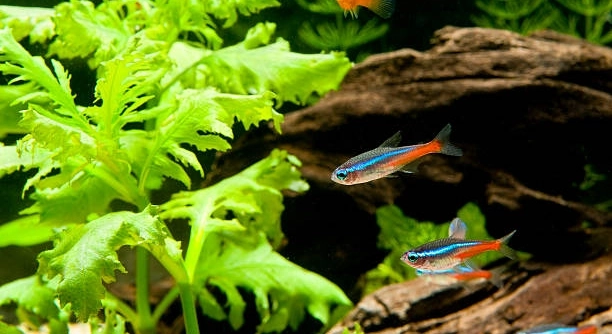
Creating the ideal environment for Neon Tetra spawning can be challenging. It involves several factors that need to be balanced for success. Understanding the specifics of their breeding needs can help improve your chances of successful reproduction.
Neon Tetras require stable water conditions, a proper diet, and specific environmental factors to encourage spawning. Ensuring optimal temperature, water pH, and tank setup, along with reducing stress, can significantly increase the likelihood of successful breeding.
Understanding these conditions is key to fostering a healthy breeding environment for your Neon Tetras.
Ideal Water Temperature for Neon Tetra Spawning
The temperature of the water plays a significant role in triggering Neon Tetra spawning. To encourage successful breeding, maintain the water temperature between 72°F and 80°F (22°C to 27°C). Stable temperatures prevent stress and create an environment where the fish feel comfortable to spawn. If the water fluctuates too much, the fish may become stressed, which can delay or prevent spawning altogether.
Maintaining a consistent temperature is vital for their breeding cycle. Using a reliable heater and thermometer can help keep the tank within the ideal range. This ensures the water remains at a level that supports healthy, active Neon Tetras.
Remember, drastic changes in temperature or rapid fluctuations are one of the leading causes of failed spawning attempts. It’s best to invest in equipment that ensures consistent conditions throughout the tank. When this is achieved, Neon Tetras will have a much better chance of spawning.
Water pH Levels and Neon Tetra Reproduction
Neon Tetras thrive in slightly acidic water. Keeping the pH between 6.0 and 6.8 will help encourage breeding. A stable pH level prevents stress and promotes overall fish health.
To manage pH, regularly check levels and use water conditioners as needed. Properly adjusted pH levels create the perfect environment for Neon Tetras to spawn effectively.
Proper Tank Setup for Spawning
A clean, well-planted tank is essential for Neon Tetras to feel secure. Using plants such as Java Moss provides hiding spaces for the fish and helps create a natural environment. They prefer tanks with dense vegetation, as this offers a sense of security and reduces stress during spawning.
The substrate should be soft and fine, as Neon Tetras spawn on the tank’s bottom. A sponge filter works well in these tanks because it doesn’t create strong currents that can stress the fish. Additionally, ensure the tank has proper lighting and cover. A dimly lit environment mimics their natural habitat, encouraging breeding.
Neon Tetras are known to spawn in a peaceful and undisturbed setting. Avoid large, aggressive tank mates that might intimidate them. With the right setup, your Neon Tetras will have the privacy they need to breed successfully, making this an important step in the process.
Diet and Nutrition for Neon Tetras
Providing a nutritious, varied diet is essential to prepare Neon Tetras for spawning. A high-quality flake or pellet food works well, but supplementing with live or frozen foods like brine shrimp can significantly improve their chances of spawning. These foods provide the extra nutrients necessary for reproductive health.
Be sure to offer a balanced diet that includes proteins, fats, and essential vitamins. Proper nutrition promotes healthy, active fish that are more likely to breed. Overfeeding should be avoided, as it can lead to poor water quality, which may harm both the fish and their ability to reproduce.
A varied diet also helps with overall fish health and vitality. By providing Neon Tetras with food rich in nutrients, you’ll be helping them build up the energy reserves needed for spawning. This extra care and attention to their diet can lead to a more successful breeding outcome.
Lighting Conditions for Neon Tetra Spawning
Neon Tetras prefer subdued lighting when spawning. Bright lights can stress them out and inhibit breeding. Use dim lighting to mimic their natural habitat, as this creates a more peaceful atmosphere.
The dim light will help your Neon Tetras feel secure, allowing them to focus on breeding rather than hiding. Avoid direct sunlight or harsh artificial lights that could disrupt their natural cycles. A balanced lighting setup will encourage your Tetras to spawn in the right conditions.
Water Hardness for Breeding
Neon Tetras thrive in soft water with a hardness level of 2 to 10 dGH. Water that is too hard can interfere with their ability to spawn effectively.
Ensuring that your water is soft and free of excess minerals will create optimal breeding conditions. Testing water hardness regularly can help maintain the right balance, providing a better environment for your Neon Tetras to reproduce.
Reducing Stress for Neon Tetras
Stress is one of the biggest factors that can prevent Neon Tetras from spawning. Keep the tank peaceful and avoid sudden changes to their environment.
Neon Tetras are sensitive to overcrowding and aggressive tank mates. Make sure their environment is calm, with adequate hiding spots and minimal disturbance. Reducing stress will help them feel secure enough to spawn.
FAQ
What is the ideal water temperature for Neon Tetras to breed?
The ideal water temperature for Neon Tetras to breed is between 72°F and 80°F (22°C to 27°C). Stable temperatures within this range mimic their natural environment and promote healthy breeding conditions. Avoid rapid fluctuations, as this can cause stress and reduce the chances of successful spawning. A reliable heater will help maintain consistent warmth, which is essential for encouraging Neon Tetras to breed.
What water pH levels are best for breeding Neon Tetras?
Neon Tetras prefer slightly acidic water for breeding. The optimal pH range is between 6.0 and 6.8. Water that is too alkaline can cause stress and inhibit spawning. Regular water testing is crucial to ensure that the pH remains stable within this range. Using pH-adjusting products or naturally softening water can help maintain the right conditions.
How many Neon Tetras should I keep together to encourage spawning?
Neon Tetras should be kept in groups of at least six or more to encourage breeding. Keeping them in groups allows them to feel secure and more likely to spawn. Smaller groups may result in stress and discourage natural behaviors, including reproduction. Having a larger group also ensures that both males and females are present in the right proportions, which further increases the chances of successful breeding.
Can I breed Neon Tetras in a community tank?
While it is possible to breed Neon Tetras in a community tank, it can be more challenging. The presence of other fish, especially aggressive ones, can stress the Tetras and discourage breeding. If you want to increase the likelihood of successful spawning, consider setting up a separate breeding tank. This will give your Neon Tetras the peace and security they need to breed without distractions.
What kind of plants should I include in a breeding tank for Neon Tetras?
For a breeding tank, include soft, leafy plants such as Java Moss, Hornwort, or Cryptocoryne. These plants provide cover and a natural environment where Neon Tetras can lay their eggs. They also offer hiding spots for the fish, reducing stress. Ensure that the plants are dense enough to create a sense of security, as this will encourage spawning.
Do I need to add a breeding mat for Neon Tetras?
A breeding mat is not strictly necessary for Neon Tetras, but it can help encourage spawning. The mat provides a safe space for the eggs to land and reduces the chances of them being eaten by the parents or other tank mates. You can also use other soft surfaces, such as Java Moss, to help secure the eggs once laid.
How do I know when Neon Tetras are ready to breed?
You can tell when Neon Tetras are ready to breed by observing their behavior. Females will appear fuller in the belly, especially when they are carrying eggs. Males often become more active and will chase the females around the tank. This is a sign that they are ready to spawn. Additionally, the males may display more vibrant colors during this time, signaling their readiness to breed.
How long does it take for Neon Tetra eggs to hatch?
Neon Tetra eggs typically hatch within 24 to 36 hours after fertilization, depending on the water temperature. Higher temperatures within the optimal range can speed up the hatching process, while cooler temperatures may slow it down. It is essential to maintain stable water conditions during this time to ensure the best chances for successful hatching.
Should I remove the adult Neon Tetras after they spawn?
Yes, it is generally recommended to remove the adult Neon Tetras after they spawn. Neon Tetras will sometimes eat their own eggs or fry, so removing them will help protect the young. The fry are very small and vulnerable in the first few days of life, and having the adults removed will reduce the risk of predation.
How long does it take for Neon Tetra fry to grow?
Neon Tetra fry grow relatively quickly, although they remain small for several months. After hatching, the fry will be fully free-swimming within a few days. It will take about four to six weeks for the fry to grow large enough to resemble adult Tetras. During this time, it’s important to provide them with a diet of finely crushed high-quality food, such as baby brine shrimp or powdered fish flakes.
What should I feed Neon Tetra fry?
Neon Tetra fry require a special diet that consists of very small foods. Newly hatched brine shrimp, infusoria, or finely powdered high-quality fry food are great options. Feeding them several times a day in small amounts ensures that they grow strong and healthy. As the fry grow, you can start to introduce slightly larger foods like crushed flake food or micro pellets.
Do Neon Tetras breed in the morning or night?
Neon Tetras are more likely to breed during the early morning hours, particularly at dawn. This is when the water temperature is most stable, and the lighting conditions are more conducive to breeding. You may notice increased activity in the tank as the males start chasing the females, and this is the best time to observe potential spawning behavior.
Can I use a sponge filter in a Neon Tetra breeding tank?
Yes, a sponge filter is an excellent choice for a Neon Tetra breeding tank. Unlike traditional filters, which can create strong currents, sponge filters provide gentle filtration that does not disturb the fish or their eggs. They also offer biological filtration, helping to maintain water quality without causing harm to the delicate fry.
What size tank do Neon Tetras need for breeding?
For breeding Neon Tetras, a tank size of at least 10 gallons is recommended. This gives them plenty of space to swim and feel comfortable. A larger tank may be necessary if you plan to keep multiple Tetras or other species in the tank, but 10 gallons is generally sufficient for a small breeding setup. Ensure the tank is well-planted and has proper water conditions to support breeding.
Final Thoughts
Breeding Neon Tetras can be a rewarding experience, but it requires careful attention to their environment. Ensuring stable water temperature, soft water, and appropriate pH levels are essential to encourage spawning. Consistency in these conditions will help create the right atmosphere for the Tetras to thrive and reproduce. The correct lighting also plays a significant role in maintaining a peaceful environment, which is key for successful breeding. By providing a calm, secure space with proper water quality, you increase your chances of seeing your Neon Tetras spawn.
Maintaining a stress-free environment is just as important as the water conditions. Neon Tetras are sensitive creatures, and even small disturbances can cause them to stop breeding. Avoid overcrowding and ensure they have enough space to feel safe. Adding plants like Java Moss or soft breeding mats helps them feel secure and provides a place for the eggs to rest. Keeping the tank clean and providing appropriate food will also contribute to their overall health, making them more likely to breed successfully.
Lastly, patience is crucial when breeding Neon Tetras. They may not spawn immediately, and the process can take time. By creating a stable and supportive environment, you give them the best opportunity to breed. Once they do, the reward is watching the fry grow and develop into vibrant little fish. The right conditions, combined with consistent care, will ensure that your Neon Tetras not only survive but thrive in your aquarium.

Hello,
If you enjoy the content that we create, please consider saying a "Thank You!" by leaving a tip.
Every little bit helps us continue crafting quality advice that supports the health, happiness, and well-being of pets around the world, for pets of all shapes, sizes, and species.
We really appreciate the kindness and support that you show us!