
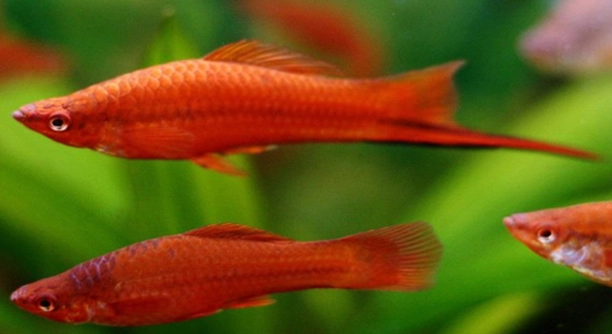
Are your swordtails not breeding as often as you’d like, or are you unsure if you’re giving them the right setup to thrive?
Swordtails breed best when kept in warm, clean water with stable parameters, plenty of hiding spaces, and a healthy diet. Lighting, tank size, and low stress levels also play a significant role in encouraging regular breeding.
A few simple changes to your aquarium can help improve the conditions and support a successful breeding environment for your swordtails.
Keep Water Temperature Warm and Stable
Swordtails prefer water temperatures between 72°F and 82°F. Keeping the temperature stable within this range helps them stay active and encourages breeding behavior. Sudden changes in temperature can stress the fish and delay reproduction. Use a reliable heater and thermometer to monitor the tank. Make small adjustments if needed, and avoid placing the tank near windows or vents that could cause temperature swings. Stability is more important than aiming for the high end of the range. Just a few degrees of fluctuation can make a difference in how your swordtails behave and breed. Warm, stable water also supports a healthy immune system, which leads to better overall health.
Choose a spot in your home where temperature stays steady throughout the day and night. This helps reduce the chances of stress-related issues in your swordtails.
Avoid frequently turning off your heater or changing the tank’s location. Consistency in water temperature supports regular breeding cycles and helps young fish grow properly.
Maintain Excellent Water Quality
Good water quality helps swordtails stay healthy and more likely to breed. Use a filter that fits your tank size, and clean it regularly. Perform partial water changes each week to remove waste buildup.
Swordtails are hardy fish, but breeding requires clean water with balanced parameters. Use a test kit to check for ammonia, nitrite, nitrate, and pH levels. Ammonia and nitrite should always be zero. Nitrate should stay under 40 ppm. A pH between 7.0 and 8.4 is ideal. When you do water changes, treat tap water with a conditioner to remove chlorine and chloramine. Never skip water changes, even if the tank looks clean. Waste and uneaten food quickly affect water quality, especially in tanks with multiple fish. Make sure to vacuum the gravel to remove debris from the bottom. Water quality directly affects the energy and comfort of your swordtails, which is essential for successful breeding and healthy fry.
Provide Plenty of Plants and Hiding Spots
Swordtails feel more secure when they have places to hide. Live or artificial plants, rocks, and decorations give them space to rest and avoid stress. Hiding spots also protect fry from being eaten by adult fish.
Plants like Java moss, hornwort, and water wisteria are great choices. They grow quickly and offer dense coverage. Use these along with rock caves or driftwood to create a natural setup. Spread them across the tank to give all fish access to cover. Swordtails will often use these areas to give birth, making them safer for fry. Avoid overcrowding, though—leave enough space for swimming. A balanced layout supports comfort and natural behavior. Fish that feel safe are more likely to breed regularly. Secure hiding spots also reduce aggressive interactions, especially between males competing for females.
When fry are born, they instinctively seek cover. Having enough plants helps them survive the early days. Most adult swordtails will eat fry if given the chance, so hiding areas are key. You don’t need a separate tank right away if your main tank is set up with care. Floating plants are especially useful since newborn fry tend to swim near the surface. The more coverage you provide, the better the chances of survival.
Feed a Nutritious and Varied Diet
Swordtails need high-quality food to breed successfully. Feed them a mix of flakes, pellets, frozen foods, and occasional live foods like brine shrimp or daphnia. A balanced diet keeps them healthy and gives them the energy they need for breeding.
Focus on feeding a variety of food types throughout the week. Flake food can be the staple, but try to add frozen bloodworms or live brine shrimp at least twice a week. These protein-rich options boost fertility and overall strength. Vegetables like blanched spinach or zucchini can be added once or twice a week to improve digestion. Feed small amounts two to three times a day, and remove uneaten food to keep the tank clean. Overfeeding leads to poor water quality, which lowers the chances of breeding. A nutritious diet helps females develop healthy fry and supports the energy males need to court and chase.
Choose the Right Male-to-Female Ratio
Keeping more females than males helps reduce stress in the tank. A good ratio is one male for every two or three females. This way, females won’t get chased too often, which helps support healthier breeding behavior.
Too many males can lead to aggressive behavior. It’s best to watch how they interact and adjust if needed. A calm environment leads to better success when trying to breed swordtails.
Use a Breeding Trap or Separate Tank for Fry
Once the female gives birth, fry are at risk of being eaten. A breeding trap or separate tank helps protect them. Move the pregnant female shortly before giving birth, and return her to the main tank afterward. This keeps the fry safe without needing a full tank setup. A small sponge filter and gentle heater are enough to support young fish. Feed fry crushed flakes or specialized fry food several times a day in small amounts. Keep their water clean with regular partial water changes. Once they’re big enough not to be eaten, they can join the main tank.
Limit Stress in the Tank
Keep lighting gentle and avoid sudden movements near the tank. Stress can affect breeding and overall health. A calm setup leads to more consistent breeding and healthier fry.
FAQ
What is the ideal tank size for breeding swordtails?
For swordtails to breed comfortably, a tank size of at least 20 gallons is recommended. This gives them enough space to swim freely and establish territories. A larger tank also helps maintain water quality, which is crucial for healthy breeding. If you have multiple fish, a bigger tank will reduce aggression and stress. Smaller tanks may lead to overcrowding, causing stress that can discourage breeding and harm the fish. It’s best to provide as much space as possible to ensure a peaceful and safe environment for your swordtails.
How long does it take for swordtail fry to grow?
Swordtail fry typically take about 4 to 6 weeks to grow large enough to be visible to the naked eye. However, it may take a bit longer for them to reach a size where they can safely swim in the main tank without being eaten. At first, the fry will be tiny, so feeding them appropriately and maintaining clean water conditions are essential to support their growth. By 3 months, they should be around the size of adult swordtails, although females may take a little longer to mature.
How often do swordtails breed?
Swordtails can breed every 4 to 6 weeks, depending on environmental conditions and health. Once a female is impregnated, she will carry the eggs internally for about 3 to 4 weeks before giving birth. After that, she may breed again relatively quickly, as long as she is kept in good conditions. Females are capable of storing sperm for several months, so they may give birth without any further male interaction. A well-maintained tank with proper feeding and water quality helps encourage regular breeding cycles.
Can swordtail males kill each other?
While swordtail males typically don’t kill each other, they can become aggressive, especially when competing for females. Males may chase each other, flare their fins, and fight for dominance. This can stress out the fish and reduce breeding success. In some cases, aggressive males might injure each other, though it’s rare. Ensuring that the female-to-male ratio is higher can help minimize aggression and allow males to focus on mating rather than fighting. Providing plenty of hiding spaces and plants can also reduce aggression by giving the fish territories to claim.
Do swordtail fry need special care?
Yes, swordtail fry need specific care to survive their early stages of life. First, they should be kept in a separate tank or breeding trap, away from adult fish that may eat them. Fry require smaller food, like crushed flakes or specialized fry food, which should be offered multiple times a day in small portions. Keep the water clean by performing regular partial water changes, as fry are sensitive to poor water quality. A sponge filter is ideal for keeping the water gentle and free of debris, without sucking in the tiny fry. Over time, as they grow, you can gradually introduce them to the main tank.
What should I do if my swordtail fish stop breeding?
If your swordtails have stopped breeding, check their environment for potential stressors. Ensure the water temperature is stable, between 72°F and 82°F, and that the water quality is good. Swordtails can be sensitive to poor water conditions or overcrowding. Check the male-to-female ratio and ensure there are enough females. If the males are overly aggressive, consider separating them or reducing their number. Diet is also an important factor; feeding them a variety of nutritious foods, including protein-rich options, can help trigger breeding. Lastly, make sure the fish feel secure with plenty of hiding spots in the tank to reduce stress.
How can I tell if my swordtail is pregnant?
Pregnant female swordtails show visible signs when they are carrying fry. The most noticeable sign is a dark spot near the back of their abdomen, known as the gravid spot. This spot darkens as the pregnancy progresses, and it will become more pronounced as the fry grow inside her. The female’s abdomen will also become noticeably rounder and larger as the pregnancy advances. If you observe these changes, the female may be within a few weeks of giving birth. It’s important to monitor her closely and be ready to provide her with a separate space to protect the fry when they’re born.
Can I mix swordtails with other fish while breeding?
Yes, swordtails can live with many other types of fish, but you need to choose tankmates carefully when breeding. Avoid aggressive or fin-nipping species, as they can stress out your swordtails or harm the fry. Peaceful species that share similar water temperature and pH preferences are the best choice. For example, you could keep swordtails with other livebearers like guppies or mollies. Always ensure the tank is not overcrowded and that there are enough hiding spots to keep the fish comfortable. Fish that are too large may eat the fry, so consider the size of potential tankmates.
Why are my swordtail fry dying?
Fry death can occur due to a variety of factors. The most common cause is poor water quality. Fry are sensitive to high levels of ammonia, nitrites, and nitrates, so it’s essential to maintain clean water. Another common issue is improper feeding—either underfeeding or overfeeding. Fry need frequent, small meals of finely crushed food. Overfeeding can lead to water pollution, while underfeeding can cause malnutrition and slow growth. Finally, the fry may also be at risk of being eaten by the adult swordtails, which is why providing hiding places is crucial.
Can swordtails breed with other types of fish?
Swordtails are part of the livebearer family, so they can breed with other livebearers like guppies and mollies. However, crossbreeding often results in hybrid offspring with unpredictable characteristics. While they can technically mate with different species, it’s generally not recommended for breeding purposes. Sticking to pure swordtails ensures the health of both the parent fish and their offspring. If you’re trying to breed for specific traits, such as color or fin shape, it’s best to avoid crossbreeding. Always choose compatible species that are known to thrive together in the same tank.
Final Thoughts
Breeding swordtails can be a rewarding experience when the right conditions are in place. Keeping water temperature stable, ensuring clean water, and providing plenty of hiding spots are some of the key factors that will help encourage successful breeding. Swordtails thrive in a calm and healthy environment, so it’s important to monitor water quality and maintain proper tank conditions. Having the right balance of males and females, with more females than males, also helps reduce stress and promotes regular breeding.
Providing a nutritious diet for your swordtails is just as important. Feeding them a mix of high-quality food, including live and frozen options, helps support their overall health and fertility. Swordtails that are well-fed are more likely to breed regularly and produce healthy fry. Pay attention to how much food you offer, as overfeeding can lead to poor water quality, which in turn can negatively affect the breeding process. When the fry are born, it’s essential to give them the right care, from separating them in a safe space to providing them with proper food and clean water.
Overall, creating the best breeding conditions for your swordtails involves a combination of water quality, temperature, diet, and tank setup. By providing a safe, stress-free environment, you give your swordtails the best chance to breed successfully. While it may take some trial and error to find what works best for your tank, the rewards of watching your swordtails thrive and reproduce can make all the effort worthwhile. With patience and the right care, you’ll be able to enjoy both the adult fish and their growing fry in your aquarium.

Hello,
If you enjoy the content that we create, please consider saying a "Thank You!" by leaving a tip.
Every little bit helps us continue crafting quality advice that supports the health, happiness, and well-being of pets around the world, for pets of all shapes, sizes, and species.
We really appreciate the kindness and support that you show us!