
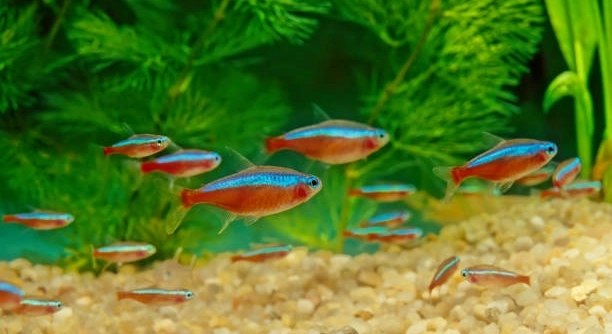
Neon tetras are a popular choice for aquarium enthusiasts due to their vibrant colors and peaceful nature. If you’re thinking about breeding them, understanding their ideal conditions is crucial for success. Let’s explore how to make this happen.
To breed neon tetras, providing the right conditions is essential. They require soft, slightly acidic water, warm temperatures, and low light. A well-planted tank with plenty of hiding spots helps create a comfortable environment for spawning.
Creating a suitable environment for neon tetras can improve your chances of breeding success. These conditions will help your tetras thrive and lay eggs in a safe, natural setting.
Water Conditions for Neon Tetra Breeding
Neon tetras require very specific water conditions to breed successfully. The water should be soft with a pH level between 6.0 and 6.5, as well as slightly acidic. Hard water can stress the fish, making it harder for them to spawn. The temperature should be around 75-80°F (24-27°C), mimicking their natural habitat. Water changes should be done frequently, but make sure not to disrupt the tank too much.
Using a sponge filter helps keep the water clean while providing gentle water movement. Neon tetras do not like strong currents, so having a calm, stable environment is key. It’s also important to ensure the water is free from chlorine, as this can harm the fish. Testing water parameters regularly will help maintain the ideal environment for breeding.
Monitoring the water conditions closely will improve your chances of having neon tetras breed successfully. Small adjustments, like lowering the pH or raising the temperature slightly, can encourage them to spawn. Keep the water clean and stable to create the perfect breeding environment.
Setting Up the Tank for Neon Tetras
A well-planted tank provides the perfect hiding spots for neon tetras to lay their eggs. Adding soft plants like Java moss helps give the fish a comfortable space to spawn.
Neon tetras prefer quiet, secluded areas for breeding, so provide plants with thick foliage for them to hide in. Setting up a breeding tank with gentle lighting is also essential. Strong lights can disturb the tetras and prevent them from feeling safe. The tank should also be free from larger fish that might eat the eggs. A separate breeding tank is often recommended to avoid such issues.
To encourage breeding, set up the tank with lots of plants and gentle lighting. A calm atmosphere helps the tetras feel at ease, making it more likely they’ll spawn. Make sure the water temperature is within the ideal range for the best results. Once they feel secure, the neon tetras will be ready to lay their eggs.
Temperature and Lighting for Breeding Neon Tetras
For neon tetras to breed, the tank temperature should be maintained between 75-80°F (24-27°C). Stable warmth mimics their natural tropical environment and helps trigger breeding behavior. Keeping the temperature consistent will reduce stress, encouraging your tetras to feel comfortable enough to spawn.
Lighting plays a significant role in creating the right atmosphere. Neon tetras prefer low lighting during breeding, so avoid using bright lights. Instead, opt for dim or natural lighting that creates a peaceful environment. If you’re using artificial lights, choose a soft, warm light that doesn’t disturb the fish.
To maintain breeding conditions, consider using a timer for your lights to keep a consistent day-night cycle. Regular light and dark cycles help to mimic natural conditions. Additionally, the absence of strong lighting can help reduce any stress, making the tetras feel safer in their environment.
Tank Size and Space for Neon Tetras
While neon tetras are small fish, they still need adequate space to breed properly. A 10-gallon tank is typically enough for a small group of tetras, but larger tanks provide more space and reduce stress. Overcrowding can lead to aggression, so always make sure to give each fish room to swim comfortably.
Neon tetras are social creatures, and they breed better in groups. It’s essential to have at least six to eight tetras in the breeding tank. This setup mimics their natural schooling behavior and creates a sense of security, which can help trigger spawning.
The more space you provide, the easier it will be for the tetras to swim and interact freely. Having a properly sized tank encourages natural behavior, which will increase your chances of successful breeding.
Food and Diet for Breeding Neon Tetras
Feeding neon tetras a balanced diet is crucial for successful breeding. Offer them a mix of high-quality flakes, live or frozen foods like brine shrimp, and occasional vegetable matter. A varied diet will keep them healthy and help them maintain energy for reproduction.
Overfeeding can cause water quality problems, so be careful not to provide too much food. Feeding twice a day, with small portions, ensures the tetras get the nutrients they need without fouling the water. Always remove any uneaten food to keep the tank clean and reduce stress.
Tank Maintenance for Neon Tetra Breeding
Regular tank maintenance is essential to create a stable breeding environment. Perform small water changes of about 20-30% weekly to maintain water quality. Keep the filter clean, but avoid disturbing the tank too much, as neon tetras can be sensitive to changes in their surroundings.
Maintaining a clean tank with stable water parameters will reduce stress and help encourage breeding behavior. Testing the water regularly for pH, ammonia, nitrites, and nitrates is important to ensure it’s within the right range for neon tetras to thrive.
Neon Tetra Spawning Behavior
Neon tetras typically spawn early in the morning when the conditions are right. The male tetras will chase the females, and once the female is ready, she will lay eggs on plant surfaces. The male fertilizes the eggs immediately after they are laid.
After spawning, remove the adults from the tank to prevent them from eating the eggs. The eggs will hatch in about 24-36 hours, depending on water temperature, and the tiny fry will start to swim freely after another 3-4 days.
FAQ
How do I know if my neon tetras are ready to breed?
You can tell your neon tetras are ready to breed when they display brighter colors and more active behavior. Male tetras often chase females around the tank, trying to get their attention. The female’s belly may also appear fuller when she’s carrying eggs. If you observe these signs, it’s likely they are ready to spawn.
Can I breed neon tetras in a community tank?
Breeding neon tetras in a community tank can be challenging. The presence of larger fish may cause stress and even eat the eggs or fry. It’s better to set up a separate breeding tank where the tetras can lay their eggs undisturbed. Additionally, you can use a breeding net or box within the community tank to isolate the tetras from other fish.
Do neon tetras lay eggs or give birth?
Neon tetras lay eggs, which are fertilized externally by the male. The eggs will hatch within 1-2 days, depending on water conditions. The tiny fry will swim freely a few days later. The process is quite similar to other small tropical fish.
What temperature should the water be for neon tetras to breed?
To encourage breeding, the water temperature should be between 75-80°F (24-27°C). Stable temperatures within this range mimic the natural conditions of their native habitat in the wild, signaling the right time to breed. Consistency is key, as sudden temperature changes can stress the tetras and prevent spawning.
Can I use tap water for breeding neon tetras?
Tap water may not always be ideal for breeding neon tetras, as it often contains minerals, chlorine, or chloramines that can harm the fish. It’s best to use dechlorinated tap water or distilled water with proper adjustments to pH and hardness. Always test your water to ensure it’s within the right parameters for breeding neon tetras.
How often should I change the water when breeding neon tetras?
Regular water changes are important to maintain good water quality, but they should be done carefully to avoid stressing the fish. Perform small water changes of about 20-30% per week, or slightly more if necessary, ensuring the water conditions remain stable. Fresh, clean water is vital for encouraging breeding behavior.
How long does it take for neon tetra eggs to hatch?
Neon tetra eggs usually hatch within 24-36 hours, depending on water temperature and conditions. Keeping the water warm and clean will help speed up the hatching process. Once the eggs hatch, the fry will be very small and will need special care to survive in the early stages.
What should I feed neon tetra fry?
Neon tetra fry are very small and need fine food that’s easy for them to consume. Start by feeding them infusoria or specially designed fry food. As they grow, you can slowly introduce crushed flake food or micro-worms. Be sure to feed them small portions several times a day to keep them healthy.
How can I prevent other fish from eating the neon tetra eggs or fry?
If you’re breeding neon tetras, it’s best to remove the adults from the breeding tank once spawning occurs. This prevents them from eating the eggs or fry. If you cannot move the adults, consider using a breeding net or box to keep them away from the eggs. You can also increase plant cover, allowing the eggs to hide in dense foliage.
Why aren’t my neon tetras breeding?
If your neon tetras aren’t breeding, it could be due to several factors. The water temperature might be too low or high, the water conditions could be off, or the tetras may not be in good health. Stress from overcrowding, poor water quality, or too much light can also prevent breeding. Try adjusting the tank’s environment to meet their needs, and ensure your tetras are healthy and active.
How can I tell if my neon tetra eggs are fertilized?
Fertilized neon tetra eggs are usually clear or slightly opaque and will develop a slight white or yellowish hue as they mature. If the eggs remain white or fuzzy, they may have been unfertilized or infected with fungus. Remove any non-viable eggs promptly to prevent them from contaminating the healthy ones.
Can neon tetras breed in a planted tank?
Yes, neon tetras can breed in a planted tank, and in fact, having a well-planted tank can increase your chances of successful breeding. Plants provide hiding spaces for both the eggs and fry, giving them protection from larger fish. Soft-leaved plants like Java moss or Marimo moss balls are ideal for breeding purposes.
Should I remove the male neon tetra after spawning?
Yes, after spawning, it’s best to remove the male from the breeding tank to avoid him eating the eggs. Male neon tetras do not care for the eggs or fry, so removing them ensures a higher chance of the fry surviving. Keep the tank calm and free from adult fish to help the eggs hatch successfully.
Final Thoughts
Breeding neon tetras can be a rewarding experience when you provide the right conditions. These small fish thrive in soft, slightly acidic water with temperatures between 75-80°F (24-27°C). Maintaining stable water quality, keeping the tank clean, and using appropriate lighting are crucial factors for encouraging breeding. By setting up a proper environment and paying attention to their needs, your neon tetras will have a better chance of successfully spawning. Remember to monitor the water parameters regularly to ensure that everything stays within the ideal range for their health.
One of the key aspects of breeding neon tetras is providing the right food. A varied diet of high-quality flakes, live or frozen foods, and occasional vegetables ensures your tetras stay healthy and strong enough to reproduce. It’s also important not to overfeed, as excess food can cause water quality issues that might interfere with breeding. Keeping the tank clean and free of uneaten food will help maintain a stress-free environment, allowing the tetras to feel safe and comfortable. Regular water changes also help maintain these optimal conditions.
Breeding neon tetras isn’t always easy, but with the right setup, patience, and care, it’s certainly possible. Pay attention to the signs that your tetras are ready to spawn, such as increased activity and brighter colors. Setting up a separate breeding tank with soft plants and gentle lighting can help encourage the process. After spawning, remove the adults to prevent them from eating the eggs. With proper care, you can successfully raise neon tetra fry and enjoy watching them grow into vibrant, colorful adults.

Hello,
If you enjoy the content that we create, please consider saying a "Thank You!" by leaving a tip.
Every little bit helps us continue crafting quality advice that supports the health, happiness, and well-being of pets around the world, for pets of all shapes, sizes, and species.
We really appreciate the kindness and support that you show us!