
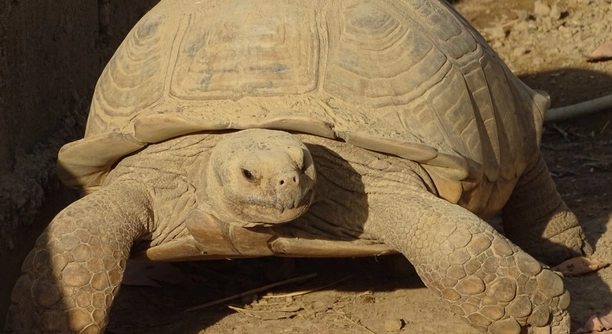
Taking care of your sulcata tortoise requires more than just providing food and water. Their environment, including the bedding you choose, plays a significant role in their health and well-being. Proper bedding helps maintain a comfortable habitat.
The best bedding for sulcata tortoises includes materials that are absorbent, safe, and easy to clean. Popular options are coconut coir, hay, and organic soil. Each bedding type helps regulate humidity, temperature, and encourages natural behaviors.
Choosing the right bedding can help maintain a safe environment for your tortoise. By exploring the best bedding options, you can create the perfect habitat for your pet’s needs.
Coconut Coir: The Go-To Bedding for Sulcata Tortoises
Coconut coir is a top choice for sulcata tortoises because it’s natural, absorbent, and safe. It helps keep the habitat dry by soaking up moisture, reducing the risk of bacterial growth. This bedding also mimics the conditions of their natural habitat, offering a soft and comfortable surface. It’s easy to clean and doesn’t require frequent changes. Plus, coconut coir is affordable and eco-friendly, making it a popular option for many tortoise owners. The bedding holds its shape well, providing good insulation for temperature regulation. This material also promotes burrowing, which is essential for your sulcata’s health.
While coconut coir is a great option, ensure it’s properly hydrated before use. Dry coir can be hard for your tortoise to burrow in, and it might cause dust. Always check for any signs of mold to maintain a healthy environment.
The texture of coconut coir is gentle on your sulcata’s skin, and it doesn’t clump together like some other bedding materials. It holds moisture well, keeping the humidity level stable. This is important for sulcata tortoises, as it supports their skin health and digestion. Be sure to replace it regularly to prevent any build-up of waste.
Hay: A Natural Alternative
Hay is another good bedding choice, especially for sulcata tortoises.
Hay offers a soft, comfortable surface for your tortoise, and it has a pleasant smell. It’s also easily accessible, and its high fiber content makes it beneficial to your pet’s diet if consumed. Just ensure to use a clean, dust-free hay for optimal health.
Organic Soil: A Natural Choice for Tortoise Bedding
Organic soil is a natural bedding material that mimics the outdoor environment of sulcata tortoises. It’s perfect for burrowing, a behavior that these tortoises often engage in. Soil is absorbent and helps regulate humidity levels in their enclosure.
Choosing high-quality organic soil ensures your tortoise is not exposed to harmful chemicals. It’s important to avoid soil with added fertilizers or pesticides, as these can be toxic. Organic soil offers a more natural environment, which supports natural behaviors like digging and nesting. Regular maintenance and spot cleaning can keep it fresh.
With organic soil, you have the option of creating a more naturalistic setup for your sulcata tortoise. Mixing it with other bedding materials can help with drainage and odor control. When maintained well, organic soil also offers great temperature regulation, keeping your tortoise comfortable in all seasons. This bedding is also environmentally friendly, adding an eco-conscious touch to your care routine.
Reptile Carpet: A Low-Maintenance Bedding Option
Reptile carpet is a good low-maintenance option for sulcata tortoises.
It’s washable and reusable, which means less frequent changes. This can be a big time-saver. Reptile carpet also provides a non-abrasive surface, reducing the risk of skin irritation. However, it doesn’t hold moisture, so it’s important to monitor humidity levels in your tortoise’s enclosure. It’s also essential to ensure the carpet is free of any debris.
Aspen Shavings: A Safe and Comfortable Option
Aspen shavings are a popular bedding choice due to their soft texture and low dust content. They provide a comfortable surface for tortoises to move around and burrow. Aspen is also absorbent, making it easy to maintain a clean and dry enclosure.
While aspen shavings are safe, they should be replaced regularly to avoid odors. Make sure to remove any wet or soiled areas daily. This will help prevent any health issues for your tortoise. Aspen shavings are also eco-friendly and a good alternative to more traditional bedding options.
Recycled Paper Bedding
Recycled paper bedding is an eco-friendly and absorbent option.
It provides a soft, comfortable surface that retains moisture. Paper bedding can help control odors and maintain a dry habitat for your sulcata tortoise. Be sure to replace it regularly to keep the environment fresh.
FAQ
What is the best bedding for sulcata tortoises?
The best bedding for sulcata tortoises combines safety, comfort, and moisture control. Coconut coir and organic soil are often recommended because they help maintain proper humidity and provide a natural environment for burrowing. These materials also keep your tortoise’s habitat clean and are easy to replace. If you want a more low-maintenance option, reptile carpets and aspen shavings are great alternatives. They are both easy to clean and provide a safe surface for your tortoise to move around on.
Can I use sand for my sulcata tortoise’s bedding?
While sand is a natural material for tortoises, it is not ideal for bedding, especially when used alone. Sand can cause digestive issues if ingested, leading to impaction. It doesn’t absorb moisture well, which can make it harder to maintain a clean environment. If you choose to use sand, it should be mixed with other materials like coconut coir or organic soil. This will create a more stable surface and reduce the chances of your tortoise eating it.
How often should I change the bedding for my sulcata tortoise?
The frequency of bedding changes depends on the type of bedding you use and how well you maintain it. With absorbent materials like coconut coir or organic soil, spot cleaning daily is important to remove waste and wet areas. Full bedding changes can be done every 4 to 6 weeks. For low-maintenance bedding like reptile carpet, it should be washed every couple of weeks to prevent odor build-up and keep the habitat clean.
Is hay a good bedding choice for sulcata tortoises?
Hay is a natural option for bedding, especially for providing your tortoise with a comfortable surface to sleep on. It is absorbent and can help with moisture control. However, hay tends to break down quickly, and it may need to be replaced more often than other materials. While hay is suitable for bedding, it is also important to ensure your tortoise has access to fresh hay as part of its diet.
Can I mix different types of bedding materials?
Yes, mixing bedding materials can help create a more comfortable and natural environment for your sulcata tortoise. Combining organic soil with coconut coir or adding some hay can improve moisture retention, allow for burrowing, and control odors. Just ensure the materials are clean, dust-free, and safe for your tortoise. This also allows you to take advantage of the benefits of each bedding type.
How do I clean my sulcata tortoise’s bedding?
Cleaning bedding is essential for maintaining a healthy environment for your tortoise. Daily spot cleaning is important to remove soiled areas and waste. For bedding like coconut coir or organic soil, remove the dirty sections and replace them with fresh material. For bedding such as reptile carpets, simply wash them with warm water and mild soap. Full bedding changes should be done every 4 to 6 weeks, depending on the material used.
Can I use mulch or bark for sulcata tortoise bedding?
Mulch and bark can be used for sulcata tortoises but require careful consideration. Ensure that the mulch or bark you use is non-toxic and free from chemicals or pesticides. Some mulch types, like cedar, can cause respiratory issues due to their strong smell and oils, so they should be avoided. If you choose to use mulch or bark, ensure it is mixed with other materials like coconut coir to promote moisture control and prevent the buildup of odors.
What type of bedding is best for burrowing?
Burrowing is an instinctive behavior for sulcata tortoises, and bedding that mimics their natural environment will support this activity. Organic soil and coconut coir are both excellent choices, as they are soft, easy to dig in, and hold moisture well. These materials allow your tortoise to create burrows, which provide a sense of security and help maintain proper temperature and humidity levels. You can also mix in hay or aspen shavings to give additional texture and depth to the bedding.
Should I avoid using any bedding types for my sulcata tortoise?
There are a few bedding materials you should avoid due to their potential hazards. Sand alone is not recommended, as it can cause impaction if ingested. Cedar and pine shavings should also be avoided, as their oils can cause respiratory issues and irritate your tortoise’s skin. Always choose bedding that is free from chemicals and toxins to ensure the safety and health of your tortoise. Organic and natural materials are typically the best choice.
Final Thoughts
Choosing the right bedding for your sulcata tortoise is essential for their overall well-being. The right material provides a comfortable and safe environment where your tortoise can thrive. Whether you go with coconut coir, organic soil, hay, or another bedding option, each has its benefits. The key is to find a material that suits both your tortoise’s needs and your ability to maintain it. Keep in mind that bedding must support your tortoise’s natural behaviors, like burrowing, while also helping to maintain proper humidity and temperature levels.
It’s important to consider factors like absorbency, ease of cleaning, and safety when selecting bedding. Materials like coconut coir and organic soil offer good moisture retention, which helps regulate humidity in the enclosure. While these materials need to be replaced regularly, they create an environment that closely resembles your tortoise’s natural habitat. If you’re looking for something lower maintenance, reptile carpet might be the right option. Though it doesn’t absorb moisture, it’s washable and easy to clean, keeping your tortoise’s space neat and tidy. Hay and aspen shavings are also good options when mixed with other bedding types, though they may need more frequent changes.
Remember that bedding plays a large role in your sulcata’s health. It affects everything from their skin and digestion to their overall comfort. Regular maintenance and spot cleaning are necessary to avoid any health issues, as wet and soiled bedding can lead to bacterial growth and other problems. By selecting the right bedding and maintaining a clean habitat, you’re ensuring that your sulcata tortoise has a happy, healthy life. Each tortoise is different, so observe how your pet interacts with the bedding and adjust accordingly.

Hello,
If you enjoy the content that we create, please consider saying a "Thank You!" by leaving a tip.
Every little bit helps us continue crafting quality advice that supports the health, happiness, and well-being of pets around the world, for pets of all shapes, sizes, and species.
We really appreciate the kindness and support that you show us!