
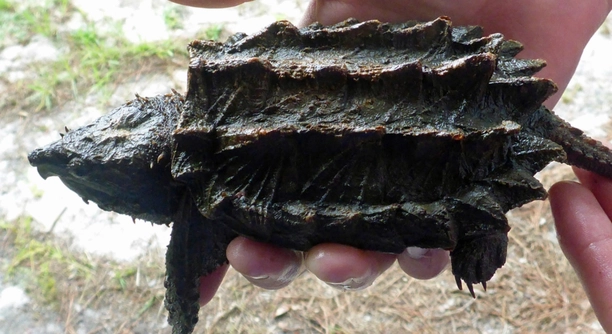
Finding the right basking log for your alligator snapping turtle can be tricky. It’s important to choose one that suits their unique needs and lifestyle. A good basking log can enhance their environment and ensure they stay healthy.
The best basking logs for alligator snapping turtles should be durable, easy to climb, and provide ample space for your turtle to rest. Proper basking spots are crucial for their overall health, as it allows them to regulate their body temperature.
Knowing what to look for in a basking log can make a significant difference in your turtle’s care. This guide will help you make an informed choice for your pet’s basking needs.
What to Look for in a Basking Log
When choosing a basking log for an alligator snapping turtle, there are several factors to consider. The log should be large enough for the turtle to comfortably climb onto. It should also be sturdy and not too slippery, as these turtles need stability to move around easily. Additionally, look for logs with a variety of textures. Rough surfaces can help provide traction, which is especially important for turtles with larger shells. The log should also be made of non-toxic materials that won’t harm your turtle. Avoid anything treated with harmful chemicals. Easy maintenance is another factor to consider, as the basking log should be easy to clean to maintain a healthy environment.
A good basking log gives your turtle a place to dry off and get some sun, helping them stay healthy and active.
Consider the size of your tank and the space available before purchasing a basking log. Make sure the log fits comfortably without overcrowding the tank. If your snapping turtle is large, you’ll need a bigger log to support its size.
Popular Materials for Basking Logs
Common materials for basking logs include wood, cork, and resin. Wood is the most natural choice, offering a rough surface that’s great for traction. Cork is lightweight and resistant to water damage. Resin, although not as natural, can be a durable and easy-to-clean option. Each material has its benefits and downsides, but they can all work well depending on your specific needs.
Resin logs are easy to maintain and usually come in various designs, including realistic-looking ones. However, they might not feel as natural to your turtle. On the other hand, wood logs are great for giving your turtle a more authentic basking experience. They’re typically heavier, meaning they won’t float or shift around in the tank. But they can break down over time and may require more care to prevent rotting. Cork logs are light, durable, and float, which makes them easy to move and clean. They’re also more resistant to mold and bacteria, making them a solid choice for long-term use.
Size and Shape of the Basking Log
The size of the basking log is important for both comfort and practicality. It should be large enough to give your turtle space to climb, bask, and rest. The shape should allow easy access to the surface while being sturdy enough to support the turtle’s weight.
A log that’s too small won’t provide adequate space for your turtle to move around and could make it harder for them to get in and out of the water. Alligator snapping turtles grow large, so it’s essential to choose a log that fits the size of your tank and your turtle. Consider the shape as well—logs with flat or sloped surfaces make it easier for your turtle to climb. Rounded or irregularly shaped logs might look great but could make it harder for your turtle to maintain balance.
Make sure the basking log’s size aligns with your tank’s overall setup. A log that takes up too much space can make the tank feel cramped and reduce swimming area, so balance is key.
Ease of Cleaning and Maintenance
Keeping the basking log clean is essential for your turtle’s health. Look for a log that’s easy to clean and won’t trap food or waste. Logs made from non-porous materials are usually easier to maintain.
Wood logs can be more challenging to clean due to their porous nature. They can absorb water, bacteria, and waste, which may lead to mold or unpleasant odors over time. Resin logs, on the other hand, tend to be more resistant to bacterial growth and are simpler to wipe down. However, if you go with wood, ensure you regularly clean it with safe, non-toxic cleaners to avoid buildup. It’s a good idea to inspect your log every so often to see if it’s becoming too dirty or damaged.
Stability and Safety
The basking log should be stable enough to support your turtle’s weight without tipping over. If the log is unstable, it could lead to accidents. Make sure the log is heavy enough to stay in place, especially in larger tanks.
For extra stability, some logs are designed with suction cups or non-slip bottoms. This feature ensures the log stays in place, even if your turtle tries to move it. An unstable log can cause stress for your turtle, as they need a secure place to bask and rest.
Size of the Tank
Before purchasing a basking log, take note of your tank size. A log that’s too large can overcrowd the space and reduce the swimming area. A small log might not give your turtle enough room to move freely.
The ideal log should take up a small portion of the tank, allowing your turtle to bask comfortably while still having ample space to swim. If the log is too bulky, it can make the tank feel cramped and disrupt the turtle’s natural behavior. Consider tank dimensions and the size of your turtle before deciding.
Durability and Longevity
Durability is key when choosing a basking log. Your alligator snapping turtle will likely use it daily, so it needs to be built to last. A good log will withstand constant exposure to water without breaking down quickly.
Wood logs, while more natural, may deteriorate over time. Resin logs, on the other hand, are built to last longer and are resistant to wear and tear. While resin may not offer the same natural look, it’s more durable, especially in tanks with higher humidity. Choose materials based on how long you want the log to last and how much maintenance you’re willing to do.
FAQ
What size basking log do I need for an alligator snapping turtle?
The size of the basking log should be large enough for your alligator snapping turtle to comfortably rest, climb, and bask. As these turtles can grow to be quite large, it’s important to choose a log that fits your turtle’s size and the tank’s space. The log should provide ample surface area for your turtle to move around, allowing them to dry off and regulate their body temperature. Consider the log’s width and length to make sure your turtle has enough room to stretch and relax. If your turtle is still young, you might need to upgrade the log as it grows.
Can I use a floating basking log for an alligator snapping turtle?
Yes, you can use a floating basking log for an alligator snapping turtle. These logs float on the water’s surface, providing easy access for your turtle to climb on. Floating logs are particularly helpful in tanks with limited space or if you prefer the log to adjust with the water level. However, ensure the log is sturdy enough to support the turtle’s weight and doesn’t shift around too much when the turtle climbs on it. Some floating logs come with weighted bottoms or suction cups to help keep them in place.
Is it necessary to have a basking log for an alligator snapping turtle?
While it is not absolutely necessary, a basking log is highly beneficial for your alligator snapping turtle. These turtles are semi-aquatic and require a dry spot to bask in order to maintain their health. Basking helps them regulate their body temperature, and it also aids in shedding and drying out any trapped moisture. Without a proper basking area, your turtle may struggle with poor health or excessive algae growth on its shell. A basking log gives your turtle a designated spot to rest while still maintaining its aquatic environment.
How often should I clean my basking log?
It’s important to clean your basking log regularly to ensure a healthy habitat for your turtle. Cleaning frequency depends on the type of log material and how often your turtle uses it. For wood logs, check for mold, algae, or dirt buildup at least once a week. Resin logs are easier to clean and can usually be wiped down every two weeks. If your log is heavily used or submerged, you may need to clean it more often. Be sure to use non-toxic cleaning agents to avoid harming your turtle.
Are there any specific materials I should avoid in a basking log?
Avoid using basking logs made from treated wood or materials that may contain chemicals, such as some types of painted wood or plastic. These materials can release harmful substances into the water, which could be toxic to your turtle. It’s best to choose natural materials, like untreated wood or cork, that are safe for aquatic environments. If you opt for resin or plastic, ensure they are labeled as safe for reptiles and aquarium use. Always check the manufacturer’s instructions to ensure the material won’t harm your turtle.
Can I make my own basking log at home?
Yes, it is possible to make your own basking log at home, but there are important considerations to keep in mind. If you’re using wood, choose a type that is safe for aquarium use, like driftwood or cork. Avoid any treated wood or woods that can release harmful chemicals. After selecting your material, sand down any rough edges to ensure your turtle doesn’t get scratched. Be sure to monitor the log for any mold or rotting over time. Homemade basking logs can be a fun DIY project, but always prioritize the safety and comfort of your turtle.
Should I choose a basking log with a ramp or one with steps?
Both ramps and steps are useful features for a basking log, depending on your turtle’s needs. A ramp offers a gradual slope, which can be easier for your turtle to climb, especially for younger or smaller turtles. It also allows them to move freely from the water to the dry area without much effort. On the other hand, logs with steps offer a more stable and structured climb, which might be beneficial for larger or older turtles. Some logs offer a combination of both features, giving your turtle the best of both worlds.
Can I use a basking log for other types of turtles?
While this article focuses on alligator snapping turtles, many of the same principles apply to other species of turtles that require a basking spot. Whether it’s a red-eared slider or a box turtle, a basking log can provide a safe, dry area for your turtle to bask. The size and material of the log should be adjusted to fit the specific needs of your turtle. Be sure to consider the size of your tank and your turtle to ensure a good fit.
How do I know if my turtle is using the basking log?
Turtles are creatures of habit, and once they get comfortable with their basking log, they’ll use it regularly. You may notice your turtle spending more time on the log, especially during the warmer parts of the day. If your turtle is using the log less frequently, check for any signs of discomfort, like rough edges or difficulty climbing. Also, ensure the log is placed in a suitable spot with enough light for proper basking. If your turtle still isn’t using the log, you might need to adjust the placement or try a different design.
Do all basking logs need UVB light?
Yes, it’s important for basking logs to be positioned under a UVB light source. UVB light is essential for all reptiles, including alligator snapping turtles, as it helps them metabolize calcium and prevents shell deformities. Make sure the log is placed in an area where the turtle can bask directly under the light for several hours a day. UVB bulbs should be replaced regularly to ensure they provide the proper wavelength for your turtle’s health.
Final Thoughts
Choosing the right basking log for your alligator snapping turtle is an important part of ensuring its health and well-being. A good basking log provides a dry area for your turtle to rest and regulate its body temperature. It’s essential to choose one that’s the right size, stable, and made of safe materials. The log should also be easy to clean and maintain. If the log is too small or unstable, it could cause stress for your turtle. A well-chosen basking log helps create a more natural and comfortable environment for your pet, supporting its overall health.
When selecting a basking log, consider factors like size, material, and shape. Wood, cork, and resin are popular materials, each with its benefits and drawbacks. Wood offers a more natural look, but it can break down over time and might require extra cleaning. Cork logs are lightweight and resistant to mold, making them an easy-to-maintain choice. Resin logs, while not as natural in appearance, are durable and easy to clean. Whatever material you choose, make sure it is safe for your turtle and fits well in the tank.
It’s also essential to think about your turtle’s needs as it grows. Alligator snapping turtles can get quite large, so a log that works for a small turtle might not be suitable in the future. You may need to upgrade your basking log as your turtle grows, ensuring it still has a comfortable place to rest. Regular maintenance is also key to keeping the log in good condition, so be sure to check it often for wear and tear. With the right basking log, your alligator snapping turtle will have a safe and healthy environment to thrive in.

Hello,
If you enjoy the content that we create, please consider saying a "Thank You!" by leaving a tip.
Every little bit helps us continue crafting quality advice that supports the health, happiness, and well-being of pets around the world, for pets of all shapes, sizes, and species.
We really appreciate the kindness and support that you show us!