
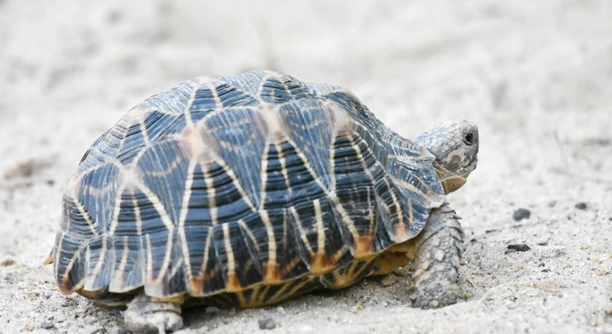
Choosing the right basking light for your turtle is essential for its health and well-being. Turtles need proper heat and light to regulate their body temperature and stay active. Without the right setup, they may struggle to thrive.
The best basking lights for turtles offer the right heat intensity and UVB light to promote proper digestion, bone health, and overall vitality. A well-chosen basking light will simulate the natural environment and support your turtle’s basic needs.
Understanding the key features of a quality basking light will help you provide your turtle with the right care. Let’s explore the top options available to ensure your turtle’s comfort and health.
Why Your Turtle Needs a Proper Basking Light
Turtles are cold-blooded creatures, meaning they rely on external heat sources to regulate their body temperature. Without the right basking light, they can become lethargic, lose their appetite, or even develop serious health issues. A good basking light is necessary to create a warm spot for your turtle to rest under, which allows them to digest food properly and stay active. It also mimics the natural sunlight they would get in the wild, supporting their immune system and overall health.
In the wild, turtles move between warm basking spots and cooler waters. A proper basking light replicates this need for thermal regulation. It’s important to choose one that provides enough heat and UVB rays to promote healthy growth and shell development.
A proper basking light setup should include a light that provides UVB rays, as they help turtles produce vitamin D3, which is essential for calcium absorption. Without adequate UVB light, turtles are more likely to suffer from metabolic bone disease and other health problems. The best lights are adjustable, allowing you to control the temperature and ensure that the basking spot is neither too hot nor too cold. Finding the right balance can make a significant difference in your turtle’s health.
Key Features to Look for in Basking Lights
When looking for the right basking light, there are several factors to consider. Heat intensity, UVB output, and bulb lifespan all play a role in maintaining your turtle’s health.
First, consider the wattage of the bulb. A higher wattage bulb provides more heat, but it should be positioned at the right distance to prevent overheating. The light should be placed above the basking spot to mimic the natural sunlight that a turtle would encounter in the wild. Also, don’t forget to invest in a UVB bulb, as UVB exposure is crucial for your turtle’s shell and bone health.
Types of Basking Lights for Turtles
There are several types of basking lights to choose from. Each serves a different purpose, and it’s important to select the one that fits your turtle’s specific needs. The most common types are incandescent bulbs, mercury vapor bulbs, and fluorescent UVB bulbs.
Incandescent bulbs are the most common type and provide heat but no UVB light. They are usually used in combination with a UVB light to ensure your turtle gets both heat and necessary UV rays. Mercury vapor bulbs combine both heat and UVB light in one, making them more convenient and efficient for some setups. Fluorescent UVB bulbs are best used as supplementary lighting for turtles, providing UVB rays but requiring a separate heat source.
Each type has its benefits, so the choice depends on your tank setup, the size of your turtle, and your specific requirements. Many turtle owners prefer mercury vapor bulbs for their all-in-one solution, while others opt for separate incandescent and UVB lights to get more control over each aspect of their turtle’s environment.
The Importance of UVB Light
UVB light is crucial for a turtle’s health. It helps them synthesize vitamin D3, which is necessary for calcium absorption. Without enough UVB light, turtles can develop metabolic bone disease, a condition that weakens their bones and shell. This makes UVB light a non-negotiable part of your turtle’s habitat.
Turtles need 10 to 12 hours of UVB light per day, and the light should be positioned close enough to the basking area. The strength of the UVB output should be appropriate for the size of your tank. UVB bulbs lose their effectiveness over time, so they should be replaced every 6 to 12 months, depending on the type of bulb.
It’s important to know that regular household light bulbs, even bright ones, do not emit UVB rays. This means that without a proper UVB light, your turtle will not be able to produce enough vitamin D3, leading to health problems over time. The right UVB light is essential for your turtle to stay strong and healthy.
Wattage and Heat Output
The wattage of your basking light determines how much heat it provides. For most turtles, a bulb with a wattage between 50 to 100 watts will work well, depending on the size of the tank. Larger tanks may require higher wattage.
You should always place the bulb at a distance that provides a basking area between 85°F and 95°F. Too much heat can cause stress or burns, while too little can leave your turtle too cold to digest food properly. If the wattage is too low for your tank size, it will not provide enough warmth for your turtle.
Adjustability and Fixture Design
When selecting a basking light, choose one with adjustable features. This allows you to control the distance between the light and your turtle’s basking spot, ensuring the heat is just right. A clamp or flexible arm can be useful to position the light at different angles.
The fixture design should also allow for easy bulb changes and prevent the light from coming in direct contact with water. Water and electricity do not mix well, so safety should always be a top priority. Secure the fixture properly to avoid any risk of accidental falls or damage.
Durability and Lifespan of Basking Lights
Basking lights, especially UVB bulbs, can lose their effectiveness over time. Some bulbs last around 6 months, while others may last up to a year. Regularly check the light to ensure it is still working properly, as turtles need consistent UVB exposure.
FAQ
What wattage should I use for my turtle’s basking light?
The wattage depends on the size of the tank and how much heat is required. For most setups, a 50 to 100-watt bulb is sufficient. If you have a larger tank, you might need a higher wattage. It’s important to measure the temperature of the basking area. A temperature between 85°F to 95°F is ideal. If your tank is too large, or the bulb wattage is too low, the basking spot won’t be warm enough for your turtle to absorb the heat it needs.
How long should I leave the basking light on?
Turtles typically need around 10-12 hours of light exposure every day. This mimics the natural day-night cycle they would experience in the wild. Consistency is key, as irregular lighting schedules can stress your turtle. You can use a timer to make sure the light stays on for the right amount of time each day. If you want to mimic the seasons, you can adjust the light duration during the year, providing more or less light depending on the time of year.
Do I need both a heat light and a UVB light?
Yes, you need both. The heat light provides the warmth your turtle needs to bask, while the UVB light is essential for vitamin D3 synthesis. This helps your turtle absorb calcium and maintain a healthy shell and bones. UVB bulbs should be placed above the basking area, close enough for your turtle to absorb the rays. While some bulbs combine both heat and UVB, it’s important that your turtle gets both types of light for optimal health.
Can I use a regular light bulb for my turtle’s basking area?
No, regular light bulbs do not emit UVB rays, which are essential for your turtle’s health. Turtles need specific UVB lighting for proper calcium absorption and to prevent diseases like metabolic bone disease. While a regular bulb can provide heat, it won’t supply the necessary UVB light. Always choose a bulb that is specifically designed for reptiles or turtles.
How often should I replace the UVB bulb?
UVB bulbs lose their effectiveness over time, even if they still emit visible light. You should replace your UVB bulb every 6 to 12 months, depending on the type. For mercury vapor bulbs, this replacement cycle is shorter. Fluorescent UVB bulbs should be replaced every 6 months, while mercury vapor bulbs may last up to a year. Even if the bulb still works, the UVB output will decline, so regular replacement is important for your turtle’s health.
Can the basking light be too hot for my turtle?
Yes, if the basking light is too hot, it can cause stress and burns to your turtle. The ideal basking temperature for most turtles is between 85°F and 95°F. You should use a thermometer to monitor the temperature and adjust the light as needed. If the light is too hot, move it farther away from the basking spot, or use a lower wattage bulb. Always ensure there’s a gradient of temperature in the tank so your turtle can move to cooler spots if needed.
What is the best type of basking light for my turtle?
The best basking light depends on your turtle’s needs and tank size. A combination of a mercury vapor bulb and a UVB fluorescent bulb can provide both heat and UVB in one fixture. If you prefer separate lighting, you can use an incandescent bulb for heat and a fluorescent UVB bulb for UV rays. Each type of bulb has pros and cons, but the most important thing is that it provides both heat and UVB light for your turtle.
Can I use a basking light for multiple turtles?
Yes, you can use the same basking light for multiple turtles as long as it provides enough heat and UVB for all of them. However, you’ll need to ensure the basking area is large enough for the turtles to spread out. If the light is not strong enough, it might not provide adequate warmth for each turtle. It’s also a good idea to have multiple basking spots if you have more than one turtle to reduce competition for space and heat.
Can my turtle bask in a shaded area?
Turtles do bask in shaded areas in the wild, but it’s important to provide direct light for them to absorb UVB rays. A shaded area may be useful if the basking spot gets too hot or if your turtle needs to escape from the direct heat. However, your turtle needs access to UVB light for a healthy lifestyle, so a shaded spot should be used only as an optional area for rest, not as a primary basking spot.
What is the best height for a basking light?
The basking light should be positioned about 6 to 12 inches above the basking spot, depending on the wattage of the bulb. For lower wattage bulbs, you can keep the light closer, but for higher wattage bulbs, position it farther away to prevent overheating. Measure the temperature at the basking area to ensure it stays within the ideal range.
Final Thoughts
Choosing the right basking light for your turtle is essential for its health and well-being. The right lighting helps regulate your turtle’s body temperature and supports its ability to digest food. It also provides the necessary UVB rays for proper calcium absorption and shell health. Without proper lighting, your turtle may experience health issues, such as metabolic bone disease, which can be avoided with the right setup. A good basking light ensures your turtle can thrive in a safe and comfortable environment.
When selecting a basking light, it’s important to consider factors like wattage, the type of bulb, and the distance from the basking spot. The wattage of the bulb should be appropriate for your tank size to provide enough heat, while the light should be positioned to create a proper temperature gradient. UVB light is just as important, as it helps your turtle produce vitamin D3, which is needed for calcium absorption. Remember, different types of bulbs serve different needs, and it’s essential to find the right combination to give your turtle a balanced and healthy environment.
Taking care of a turtle involves creating a habitat that mimics their natural environment as closely as possible. Providing the right basking light plays a significant role in achieving this. Regularly check the effectiveness of the bulbs and ensure they are still providing the right levels of heat and UVB rays. Don’t forget that light bulbs lose their effectiveness over time, so replacing them when needed is key. By investing in the right lighting, you’ll help ensure your turtle remains happy and healthy for years to come.

Hello,
If you enjoy the content that we create, please consider saying a "Thank You!" by leaving a tip.
Every little bit helps us continue crafting quality advice that supports the health, happiness, and well-being of pets around the world, for pets of all shapes, sizes, and species.
We really appreciate the kindness and support that you show us!