
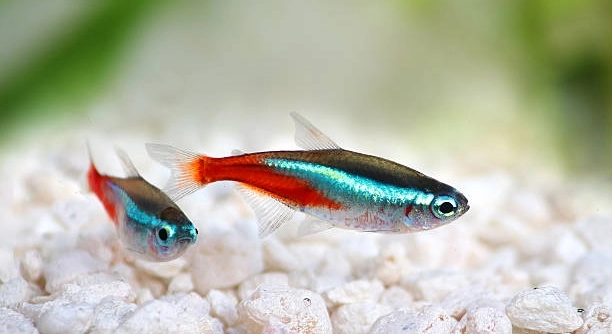
Choosing the right aquarium substrate for your neon tetra tank is crucial for their health and overall well-being. The substrate plays an essential role in water quality, plant growth, and creating a natural environment for your fish.
The ideal substrates for neon tetras should provide a balanced mix of aesthetics and functionality. Fine gravel or nutrient-rich soil are recommended to support plant growth, maintain water stability, and create a suitable environment for the fish to thrive.
Understanding the best options will help you create a healthy environment for your neon tetras, ensuring they stay vibrant and active.
Best Substrates for Neon Tetras
When setting up a tank for neon tetras, it’s important to choose a substrate that promotes the health of both the fish and the plants. Fine gravel or nutrient-rich soil are common options, as they provide stability and help maintain water clarity. Neon tetras thrive in soft, slightly acidic water, so it’s essential to pick substrates that won’t affect the pH levels. Gravel with rounded edges works best, preventing any harm to your fish while creating a safe and comfortable environment. Additionally, adding a layer of nutrient-rich soil can help support plant growth, ensuring the water remains clean and oxygenated.
Selecting the right substrate for your neon tetras ensures that their environment stays healthy and balanced. Substrates like fine gravel or specialized aquarium soil can keep water quality optimal, promoting plant growth and healthy fish.
If you’re looking to add plants, it’s best to go with a soil-based substrate, as it provides essential nutrients that plants need. Neon tetras appreciate natural settings, and these substrates help mimic their natural habitat, improving their well-being.
Gravel vs. Sand: Which Is Best?
While both gravel and sand are popular choices for aquarium substrates, they each offer unique benefits. Gravel is often preferred for its easy maintenance and ability to support plant roots. Sand, however, gives your tank a sleek, clean look and is gentle on your fish’s delicate fins. It’s important to consider the type of plants and fish in your tank before making a decision. For neon tetras, a fine, smooth gravel or sand is ideal, as it helps mimic their natural environment while maintaining water quality.
Sand is often favored for its smooth texture, which helps avoid injury to fish. However, it can compact more easily than gravel, leading to potential issues with water flow and oxygen exchange. Consider combining fine gravel with sand in specific tank areas for the best of both worlds.
Nutrient-Rich Soil for Plants
Nutrient-rich soil is a great choice for neon tetra tanks, especially if you plan to include live plants. It promotes plant growth by supplying essential nutrients, making the tank environment more natural. The soil also helps stabilize water parameters, which is crucial for neon tetras.
When using nutrient-rich soil, it’s important to cover it with a layer of fine gravel or sand. This helps prevent the soil from being disturbed by the fish or water currents. It also prevents soil from clouding the water, keeping the tank clear. If you want a vibrant, healthy tank, nutrient-rich soil supports both plants and fish.
Keep in mind that soil-based substrates can affect water chemistry, so regular water changes are important to maintain balance. To keep the tank healthy, use a good filtration system. Make sure the substrate is not too deep, as it can lead to anaerobic conditions that can harm fish and plants.
Organic vs. Inorganic Substrates
Organic substrates, such as soil or peat, are rich in nutrients but can sometimes lead to water discoloration. Inorganic substrates, like gravel and clay, don’t release nutrients but are easier to maintain and cleaner over time. For neon tetras, a mix of both may offer the best results.
Choosing between organic and inorganic substrates depends on your tank’s needs. Organic substrates support plant growth, making them a good choice if you want a planted aquarium. Inorganic substrates are simpler to care for and help maintain clearer water. Combining both types can offer the benefits of plant growth without the mess of soil-based options.
Live Plants and Substrate Compatibility
Live plants thrive best in substrates that offer good nutrients and stability. Substrates like nutrient-rich soil or fine gravel are ideal for plant roots to establish themselves. Neon tetras prefer a planted tank as it mimics their natural habitat, promoting their overall health and comfort.
When choosing a substrate for live plants, ensure it’s compatible with the plant types you want to grow. Soil-based substrates are excellent for supporting root systems, while fine gravel can hold plants in place without damaging their roots. Both provide the necessary foundation for a thriving aquatic ecosystem, benefiting both fish and plants.
Proper lighting and substrate selection will give your plants the nutrients they need. Keep in mind that not all plants require the same substrate, so tailor your choices based on your aquarium’s needs. A well-balanced tank will keep both your neon tetras and plants healthy.
Gravel with Good Filtration
Gravel is one of the most commonly used substrates for neon tetra tanks. It provides a stable base and is easy to clean, especially if you choose gravel with rounded edges. The right gravel can help maintain clear water and prevent debris from building up.
To keep the tank clean and water clear, ensure your gravel is paired with a good filtration system. Gravel alone won’t filter out all the waste in the tank, but it does help with water flow. A strong filter can keep the water clean and maintain a healthy environment for your neon tetras.
Sand for a Clean Look
Sand offers a sleek, modern look for your tank and is a great choice for a minimalist setup. It provides a soft, smooth surface that’s easy on fish and their fins. Neon tetras enjoy swimming in tanks with soft substrates like sand.
However, sand can compact easily and may limit the flow of oxygen in the substrate. To avoid this, keep the sand depth to a minimum and stir it occasionally. With proper care, sand can create an elegant and clean environment for your neon tetras without complicating maintenance.
FAQ
What is the best substrate for neon tetras?
The best substrate for neon tetras is one that mimics their natural environment while promoting healthy growth of plants. Fine gravel or nutrient-rich soil are popular choices. Gravel provides a stable foundation, while soil offers nutrients for plant roots. A combination of both works well for a balanced ecosystem.
Can I use sand in a neon tetra tank?
Yes, sand can be used in a neon tetra tank, but it should be fine and smooth to avoid harming the fish. Sand creates a sleek, clean look and is gentle on the fish. However, it may compact over time, which could hinder water flow, so regular stirring is recommended.
Is it necessary to use live plants with neon tetras?
While not absolutely necessary, live plants are beneficial for neon tetras. They provide shelter, help maintain water quality, and create a more natural environment. Plants also offer hiding spots for neon tetras, reducing stress and promoting their overall well-being.
Should I use soil-based substrate for a neon tetra tank?
Soil-based substrates can be a great option for neon tetras, especially if you plan to add live plants. They provide essential nutrients that support plant growth and help keep the water conditions stable. However, you may need to cover the soil with gravel or sand to prevent it from clouding the water.
Can neon tetras live in tanks without substrate?
While neon tetras can survive in tanks without substrate, it’s not ideal for their health or comfort. Substrate helps maintain water quality and provides a place for beneficial bacteria to grow, which aids in filtering out waste. It also supports plant growth, which helps maintain a natural and stable environment for your fish.
How deep should the substrate be for neon tetras?
For neon tetras, the substrate should generally be around 1 to 2 inches deep. This depth is enough to provide a stable base for plants while preventing any issues with anaerobic conditions, which can occur if the substrate is too deep and compacted.
Do I need to cycle the tank before adding neon tetras?
Yes, cycling your tank before adding neon tetras is crucial. The cycling process establishes a healthy colony of beneficial bacteria in the filter and substrate, which helps break down harmful ammonia and nitrites. This creates a safer environment for your fish.
How often should I clean the substrate in a neon tetra tank?
Cleaning the substrate in a neon tetra tank should be done regularly, typically once a week or as needed. Use a gravel vacuum to remove debris and uneaten food from the substrate. Be careful not to disturb the beneficial bacteria in the substrate, as they help maintain water quality.
Can I use pebbles as substrate for neon tetras?
While pebbles can be used in a neon tetra tank, they are not the best choice. Large or sharp-edged pebbles can harm the delicate fins of the fish. It’s better to use fine gravel or sand, as these options are smoother and safer for neon tetras.
Are there any substrates that help with water pH balance?
Certain substrates, like nutrient-rich soil, can help stabilize pH levels in your tank. They release trace minerals that can buffer pH, preventing sudden fluctuations. If your neon tetra tank needs pH adjustments, choose a substrate that is designed to maintain a slightly acidic environment, which neon tetras prefer.
Can I mix different types of substrate in a neon tetra tank?
Yes, mixing different substrates can work well, as long as they are compatible. Many aquarists use a layer of nutrient-rich soil at the bottom for plant growth, topped with fine gravel or sand. This provides both nutritional benefits and a clean, natural-looking environment for neon tetras.
Is gravel better than sand for neon tetras?
Both gravel and sand have their benefits, but gravel is often preferred for neon tetras because it’s easier to clean and allows better water circulation. Sand can be an option if you want a smooth, uniform look, but it can compact over time, which may lead to poor oxygen flow in the substrate. If using sand, make sure it’s fine and maintain it carefully.
What type of filter works best for a neon tetra tank with substrate?
For a neon tetra tank, a gentle filter is ideal. A sponge filter or an external canister filter with adjustable flow rates will prevent strong currents that might stress your fish. Make sure the filter is capable of providing adequate filtration without disturbing the substrate or causing water turbulence.
Can I use a substrate heater in a neon tetra tank?
A substrate heater can be useful in a neon tetra tank if you have plants that require a warmer substrate to grow, but it is not necessary. Neon tetras prefer cooler temperatures, so if you do use a substrate heater, make sure it’s set to a temperature that’s comfortable for both your fish and plants.
What’s the difference between fine gravel and coarse gravel for neon tetras?
Fine gravel is smoother and provides a more natural environment for neon tetras. It’s easier to clean, supports plant growth better, and is gentler on the fish’s delicate fins. Coarse gravel, on the other hand, can be harder to maintain and may create sharp edges, which could harm the fish.
How can I improve the water quality in a neon tetra tank?
To improve water quality, maintain a proper filtration system, perform regular water changes, and avoid overfeeding. Using a substrate that promotes beneficial bacteria growth, like fine gravel or nutrient-rich soil, will also help maintain a stable and clean environment for your neon tetras.
Are there any substrates that help with algae control?
Certain substrates, such as those with a coating of beneficial bacteria or mineral-based soil, can help limit algae growth by maintaining water quality. However, the key to controlling algae is proper tank maintenance, including regular cleaning, limiting light exposure, and ensuring your filter is working efficiently.
Can I use aquarium-safe paint to color my substrate?
It’s not recommended to paint your substrate, as the paint can peel off over time and may release harmful chemicals into the water. Instead, opt for natural, colored gravel or sand designed for aquarium use. These options are safer for your fish and provide a clean, attractive look.
How does the substrate affect neon tetras’ health?
The right substrate supports neon tetras’ health by maintaining water quality, providing plant support, and offering a safe, comfortable environment. A poor substrate can harm your fish by creating an unhealthy environment, affecting their stress levels and overall well-being. Proper substrate choice is key to keeping neon tetras happy and healthy.
Final Thoughts
Choosing the right substrate for your neon tetra tank is essential for maintaining a healthy and vibrant environment. Neon tetras thrive in tanks that mimic their natural habitats, where they can feel safe and comfortable. A well-chosen substrate not only benefits the fish but also helps in growing plants, which enhance the tank’s aesthetics and water quality. Whether you opt for fine gravel, sand, or soil, each type of substrate has its pros and cons. It’s important to select one that suits both the needs of the neon tetras and the overall tank setup.
Maintaining a healthy tank goes beyond just picking the right substrate. Regular cleaning and maintenance are crucial for ensuring that the substrate doesn’t accumulate harmful debris or waste. Vacuuming the substrate, changing the water regularly, and monitoring water parameters such as pH and hardness will help keep your neon tetras in the best possible environment. Over time, your tank’s ecosystem will stabilize, and with the right care, your fish and plants will thrive together. The substrate you choose should support the growth of beneficial bacteria, which helps break down waste and improve the water quality.
In conclusion, the substrate is an important factor in the success of your neon tetra tank. A combination of aesthetic appeal, plant support, and water quality management should guide your choice. By taking the time to select the right substrate and providing regular care, you create a healthy, thriving tank for your neon tetras. The well-being of your fish will ultimately depend on how well you maintain their environment, making the choice of substrate an essential step in creating a peaceful and stable aquarium.

Hello,
If you enjoy the content that we create, please consider saying a "Thank You!" by leaving a tip.
Every little bit helps us continue crafting quality advice that supports the health, happiness, and well-being of pets around the world, for pets of all shapes, sizes, and species.
We really appreciate the kindness and support that you show us!