
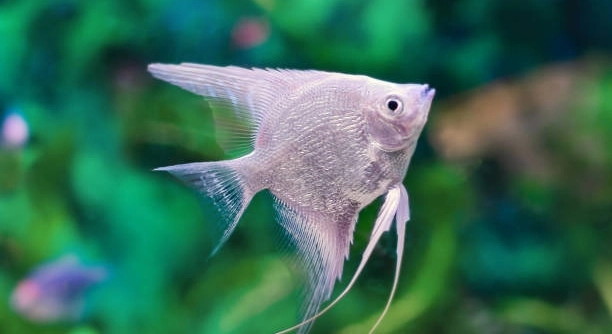
Aquarium decorations are key to creating a comfortable environment for your angelfish. The right setup can enhance their well-being and bring out their natural beauty. Choosing the best decorations adds aesthetic appeal and ensures a thriving tank.
The best aquarium decorations for angelfish tanks include live plants, driftwood, caves, and rocks. These items provide shelter, reduce stress, and mimic their natural habitat, promoting a sense of security and encouraging healthy behaviors. Carefully selected décor enhances both beauty and functionality.
Choosing the right decorations can greatly improve the overall health of your angelfish and the aesthetic of your tank.
The Importance of Live Plants for Angelfish Tanks
Live plants are one of the best choices for angelfish tanks. They provide natural filtration, which helps maintain water quality, a crucial factor for the health of your fish. The plants also offer hiding spots, making angelfish feel more secure in their environment. Additionally, plants contribute oxygen, supporting the overall health of the tank.
Adding plants like Java fern or Anubias gives your tank a lush look while enhancing the health of your fish. These plants are easy to care for and thrive in a variety of water conditions. A well-planted tank can also reduce algae growth by competing for nutrients. The plants absorb excess nitrates, which helps to keep your water clean and clear.
For angelfish, plants are not just a decoration, but an essential element for their habitat. They encourage natural behavior, reduce stress, and provide areas for angelfish to explore. The plants’ aesthetic value makes them a practical and beautiful choice for your tank setup.
Driftwood Adds Texture and Hiding Spaces
Driftwood provides texture and depth to your angelfish tank. It mimics natural environments, offering hiding spaces and territories for the fish. The wood also helps soften the water, promoting better tank conditions.
Driftwood is perfect for angelfish as it offers a sense of safety. It allows them to hide when they feel threatened and encourages natural behaviors. Additionally, it can become covered in beneficial bacteria, further improving water quality.
Rocks and Caves Provide Safe Hiding Spaces
Rocks and caves are essential for angelfish tanks, as they offer secure hiding spots. Angelfish are sensitive creatures, and providing a safe environment helps reduce stress. These decorations also serve as a place for breeding or resting, creating a more natural atmosphere.
Caves can mimic the environment angelfish would find in their natural habitats, giving them spaces to retreat when they feel vulnerable. Rocks are also great for providing structure, allowing the fish to explore different areas of the tank. Placing these items carefully ensures that the fish have room to swim freely while still having places to hide.
Rocks and caves offer more than just aesthetic value. They contribute to the overall stability of the tank. With proper placement, they can create a comfortable and safe environment, encouraging angelfish to exhibit their natural behaviors and thrive.
Decorative Gravel Enhances Tank Aesthetics
Gravel adds visual appeal to the tank while providing a substrate for plants to root. It helps maintain the tank’s cleanliness by preventing waste from accumulating at the bottom. Choosing the right type of gravel is key to maintaining good water conditions.
Decorative gravel, when properly selected, provides a visually striking base for your tank. Small, rounded pebbles work best for angelfish, as they don’t scratch the delicate fins of the fish. Gravel also plays a crucial role in water filtration, as it provides space for beneficial bacteria to grow. This can assist with the nitrogen cycle, improving water quality.
A well-chosen gravel substrate helps create a more natural environment for your angelfish. It enhances the beauty of the tank and plays a vital role in maintaining a stable and healthy ecosystem for your fish.
Floating Plants Provide Shade and Comfort
Floating plants offer shade, making the tank feel more secure for angelfish. They create a natural canopy that mimics the angelfish’s habitat. The plants also help filter the water, removing excess nutrients and improving water quality.
Floating plants, such as duckweed or water lettuce, can thrive in a variety of tank conditions. Their presence encourages natural behaviors and provides a calm environment for your fish. These plants can also help reduce algae growth by blocking excess light. A floating plant layer adds both functional and visual benefits to your aquarium.
Use of Background Decorations for Depth
Background decorations enhance the visual depth of the tank. They provide a backdrop for your angelfish, creating a more immersive and dynamic environment. A well-chosen background can also make the tank appear larger and more appealing.
Opting for a plant background or a piece of aquatic art can give the tank a realistic feel. These additions can complement the other décor, like rocks and driftwood, creating a more cohesive atmosphere. Background decorations contribute to the overall aesthetic, offering your angelfish an environment that is not only beautiful but comfortable.
Substrate Options for Plant Health
Choosing the right substrate is crucial for plant health. It provides the necessary support for plant roots while ensuring the water remains clean. Different plants require different substrates, so research is important to match them to the needs of your tank.
FAQ
What is the best type of plants for angelfish tanks?
Live plants are ideal for angelfish tanks. Plants like Java fern, Anubias, and Amazon sword are all excellent choices. These plants are easy to care for, and they thrive in the same water conditions that angelfish prefer. They also provide natural hiding spots and help improve water quality by absorbing excess nutrients.
How do I maintain water quality in an angelfish tank?
Maintaining good water quality is vital for angelfish. Regular water changes of 25-30% every two weeks help to keep the water clean. Additionally, using a good filtration system removes debris and harmful chemicals. Live plants also play a role by absorbing nitrates and providing natural filtration.
Can I add artificial decorations to my angelfish tank?
While live plants and natural decorations like driftwood are often preferred, you can add artificial decorations. Just ensure that they are made from fish-safe materials to avoid harming your fish. Avoid sharp edges or rough surfaces that can damage the angelfish’s delicate fins.
Do angelfish need hiding spots in their tank?
Yes, angelfish appreciate having hiding spots. These provide security, helping to reduce stress. Use decorations like caves, rocks, and driftwood to create safe spaces where angelfish can retreat when feeling threatened. Hiding spots also encourage natural behaviors and can make the angelfish feel more comfortable.
How can I create a natural environment for my angelfish?
To create a natural environment, focus on using live plants, driftwood, and rocks. These elements mimic the angelfish’s native habitat. Adding a substrate that supports plant growth and maintaining proper water temperature and pH levels will also help recreate a natural setting. Keep in mind that angelfish thrive in water with a slightly acidic to neutral pH (6.5-7.5).
How many angelfish can I keep in a tank?
Angelfish can be kept in groups, but it’s important to provide enough space for them to establish territories. A 20-gallon tank is the minimum size for one or two angelfish. For every additional angelfish, increase the tank size by 10-15 gallons to ensure there is enough room for swimming and hiding.
Should I add any other fish with my angelfish?
Angelfish are generally peaceful but can be territorial. It’s best to add other peaceful fish that won’t compete for space or bother your angelfish. Good tank mates include Corydoras catfish, tetras, and other non-aggressive species. Avoid adding small fish that may be seen as prey.
What substrate should I use for angelfish tanks?
A fine-gravel substrate is often recommended for angelfish tanks. It provides a stable base for plants and helps prevent debris from accumulating. If you plan to grow live plants, a nutrient-rich substrate designed for plant growth will support their health. Ensure the substrate is clean and free of sharp edges.
How do I know if my angelfish is stressed?
Signs of stress in angelfish include loss of appetite, abnormal swimming behavior (such as staying near the surface or in one corner), faded colors, and sudden aggression. Poor water quality, incompatible tank mates, and lack of hiding spaces can contribute to stress. Regularly check water parameters and make necessary adjustments to the tank setup.
Can I keep angelfish with other types of cichlids?
It is possible to keep angelfish with other cichlids, but you should be cautious. Some cichlids are more aggressive and may stress or harm angelfish. Choose peaceful cichlid species that share similar water requirements and won’t compete with angelfish for space. Always monitor interactions closely when adding new tank mates.
How often should I feed my angelfish?
Angelfish should be fed once or twice a day. Provide them with a balanced diet of high-quality flakes, pellets, and occasional treats like live or frozen foods. Be careful not to overfeed, as excess food can lead to poor water quality and health issues. Remove any uneaten food after a few minutes.
Do I need to supplement with minerals for my angelfish tank?
If you’re using soft water in your tank, you might need to supplement with minerals. This helps maintain the correct hardness and pH for angelfish. You can use a commercially available mineral supplement or add crushed coral to the substrate to gradually raise the hardness of the water.
How can I prevent algae growth in my angelfish tank?
To prevent algae growth, avoid overfeeding, as leftover food can fuel algae growth. Control light exposure by limiting the amount of time the aquarium light is on each day (8-10 hours). Adding live plants can also help outcompete algae for nutrients. Regular cleaning of the tank and maintenance of the filtration system will keep algae under control.
What is the ideal tank temperature for angelfish?
Angelfish thrive in water temperatures between 76-82°F (24-28°C). It’s important to maintain a consistent temperature, as fluctuations can stress the fish. Use a reliable heater and thermometer to monitor the water temperature and ensure it stays within this range.
Final Thoughts
Creating the right environment for your angelfish is crucial to their well-being and overall health. By choosing the right decorations and providing the necessary elements, such as safe hiding spots, plants, and proper water conditions, you can make your angelfish tank a thriving habitat. Natural-looking decor, including rocks, caves, and live plants, not only enhances the tank’s appearance but also supports the angelfish’s natural behaviors and instincts. These decorations help minimize stress, encourage breeding, and provide comfort for your fish.
Maintaining a balance between aesthetic appeal and functionality in your tank setup is key. The right tank decorations should not only look good but also serve practical purposes like filtration and providing hiding spaces. As angelfish are sensitive, ensuring they have places to retreat when feeling threatened is important. Substrate, water quality, and proper lighting should also be considered when designing your tank. Using safe, smooth materials for your decorations ensures your fish remain comfortable and safe from any potential harm caused by sharp objects.
In the end, creating a beautiful and healthy environment for your angelfish requires attention to detail and thoughtful planning. Whether you are setting up a new tank or upgrading an existing one, each choice you make for decor and setup plays a role in the health of your fish. With the right approach, your angelfish can thrive in a peaceful, well-maintained tank that mimics their natural habitat. Taking the time to create this environment will not only benefit your angelfish but will also give you a visually pleasing and harmonious aquarium to enjoy.

Hello,
If you enjoy the content that we create, please consider saying a "Thank You!" by leaving a tip.
Every little bit helps us continue crafting quality advice that supports the health, happiness, and well-being of pets around the world, for pets of all shapes, sizes, and species.
We really appreciate the kindness and support that you show us!