
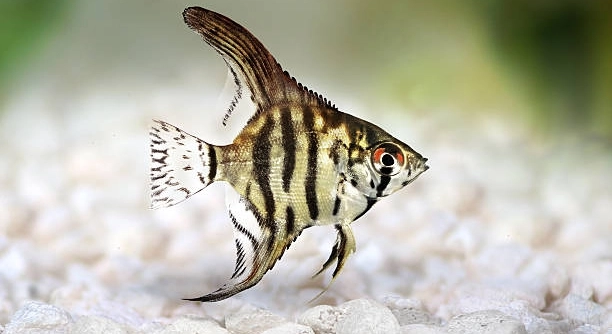
Are your angelfish showing signs of pairing off, and you’re unsure how to help them breed successfully in your tank?
The best angelfish breeding practices for beginners include maintaining optimal water conditions, providing a stress-free environment, offering nutritious food, and identifying breeding pairs early. These steps improve spawning success and fry survival rates significantly.
Learning these basics can help you create a safer space for your angelfish and increase your chances of raising healthy fry.
Choose Healthy Breeding Pairs
When starting out, it’s important to observe your angelfish and select healthy, active individuals that naturally pair up. Avoid forcing pairings or buying “proven” breeding pairs from sellers without seeing them in action. Let your angelfish form a bond in a calm environment. Look for signs like swimming side-by-side, cleaning a flat surface together, or defending a certain area. These behaviors usually indicate that they’re ready to spawn. It’s also helpful to separate a pair into their own tank once they’ve bonded. This reduces stress and prevents other fish from interfering with the breeding process. A pair in good health with strong instincts will naturally prepare for spawning if the conditions are right. Stick with young, well-fed fish that haven’t been overbred.
Pairing your angelfish naturally builds a stronger breeding connection and leads to better results in the long run.
Once a bonded pair starts preparing to breed, you’ll notice them cleaning leaves or tank surfaces thoroughly. This signals they’re ready to lay eggs.
Maintain Stable Water Conditions
Stable water conditions help encourage your angelfish to breed and protect their eggs. You’ll want to test the water regularly to make sure the parameters stay consistent.
Keep the water temperature between 78°F and 82°F, and maintain a pH between 6.5 and 7.0. Soft, slightly acidic water tends to encourage breeding. Avoid any sudden shifts in temperature or pH, as angelfish are sensitive during the spawning process. Set up a sponge filter or gentle filtration system to keep the water clean without disrupting the eggs or fry. Perform partial water changes twice a week, around 20%, to remove excess waste while maintaining a balanced environment. If your tank is too crowded or noisy, move the pair to a quiet breeding tank with minimal disturbance. Include broad-leaf plants or a breeding slate for the pair to use when laying eggs. Clean these surfaces with tank water before placing them in the tank. Balanced, stable conditions give your angelfish the confidence they need to reproduce successfully.
Offer a Nutritious Diet
Feeding your angelfish a high-quality diet supports breeding and helps produce healthy eggs and fry. Stick with protein-rich foods like brine shrimp, bloodworms, and high-grade flakes or pellets designed for tropical fish.
Live or frozen foods can trigger spawning behavior in angelfish. Brine shrimp and bloodworms are especially helpful before and during breeding. Alternate these with a balanced flake or pellet to cover their nutritional needs. Avoid overfeeding, but offer small meals twice a day. Watch for leftover food and remove it quickly to maintain clean water. Conditioning the pair for about two weeks with this protein-rich diet can increase egg production and fry survival. It’s best to keep the diet consistent once they begin breeding. A varied, high-protein diet not only supports reproduction but also strengthens their immune system during this important phase.
You might also notice brighter colors and increased activity when the pair is getting proper nutrition. This is a good sign.
Provide the Right Breeding Environment
Set up a dedicated breeding tank that holds at least 20 gallons. Keep it quiet and include broad-leaf plants or a clean, vertical surface for egg laying. A sponge filter helps protect fry from getting sucked in.
A breeding tank should stay simple and calm. Use bare-bottom tanks or smooth gravel so it’s easier to clean and monitor the fry. Place a breeding slate or broad leaf vertically in the tank, since angelfish prefer laying eggs on upright surfaces. Keep lighting soft, and avoid placing the tank near noisy areas or places with heavy foot traffic. Use a sponge filter to gently circulate water without creating strong currents. Add a heater to maintain a stable temperature. Avoid tank mates during breeding—angelfish can become territorial and stressed. If you notice aggression or fin nipping, reduce the lighting and ensure they’re not disturbed. Once eggs are laid, watch for fungus or white patches and remove any unfertilized ones.
Monitor Egg Development Closely
After the eggs are laid, check them daily for signs of fungus or turning white, which means they weren’t fertilized. Angelfish may eat the eggs if they feel stressed or sense something is wrong with the environment.
If possible, let the parents care for the eggs unless they start eating them. First-time pairs often don’t succeed right away, but they usually learn with time. If losses continue, you can remove the eggs and raise them separately. Use a small tank with an air stone and methylene blue to prevent fungus.
Be Prepared to Raise Fry
Once the eggs hatch, the fry will stay attached to the surface for a few days while they absorb their yolk sacs. After that, they’ll begin swimming freely and need tiny food like baby brine shrimp or powdered fry food. Keep the water clean with gentle filtration and regular water changes. Feeding should happen several times a day in small amounts. Monitor their growth and remove any sick or inactive fry to prevent illness from spreading. Fry can be sensitive, so stick with a calm environment and avoid sudden changes. As they grow, slowly introduce finely crushed flakes.
Separate Aggressive Breeders
Some angelfish become too aggressive during breeding and may harm each other or eat the eggs. If this happens, place a divider or move one fish to a separate tank.
FAQ
How often do angelfish breed?
Angelfish can breed every 7 to 10 days once they’ve formed a strong pair bond and the environment is right. After laying eggs, they typically need a short break before they begin preparing to spawn again. If you’re keeping conditions stable and feeding them well, they may continue this cycle regularly. However, breeding too often can exhaust the pair, especially the female. If you notice signs of stress or declining health, give them more time to rest. It’s important not to push breeding too frequently, even if they seem willing to lay eggs often.
What should I do if the parents eat their eggs?
It’s common for angelfish to eat their eggs, especially during their first few breeding attempts. This behavior usually stems from stress, inexperience, or feeling threatened. Make sure the tank is quiet and free from distractions. If they continue eating the eggs, consider removing them after spawning. You can place the eggs in a separate tank with a sponge filter and add methylene blue to prevent fungus. Use an air stone to keep water moving around the eggs gently. Many angelfish pairs stop eating eggs once they become more experienced, so patience is key.
When should I remove the fry from the parents?
Some angelfish parents care for their fry well, while others may become aggressive or start eating them. Watch their behavior closely. If you notice the parents chasing or nipping at the fry, it’s time to separate them. You can move the fry to a grow-out tank or gently remove the parents instead. Keep conditions in the fry tank stable—frequent, small water changes and a sponge filter help reduce stress. As the fry grow stronger, begin offering finely crushed flakes in addition to baby brine shrimp or powdered fry food.
What temperature is best for breeding angelfish?
The ideal temperature for breeding angelfish is between 78°F and 82°F. Anything cooler may slow down their activity or reduce the chance of successful spawning. Use a reliable aquarium heater to keep the temperature stable. Rapid temperature changes can stress the pair or affect egg development. Use a thermometer and check it regularly to ensure everything stays consistent. If the temperature is too high, it might lead to quicker development but could also raise the risk of deformities or lower survival rates. A steady middle range is the safest option for both eggs and fry.
How many fry can one pair produce?
A healthy angelfish pair can lay anywhere from 100 to 300 eggs in one spawn. Some experienced pairs may lay even more. However, not all eggs will hatch, and not all fry will survive. The number that reaches maturity depends on water quality, food, and how well you care for them. Fungus, poor conditions, or aggressive behavior can lower survival rates. Keep things clean, feed the fry properly, and give them space to grow. If the tank becomes too crowded, move some to another tank to avoid stunted growth or stress.
Do I need a breeding cone?
A breeding cone isn’t required, but it’s helpful. Angelfish prefer to lay eggs on a smooth, vertical surface. A breeding cone mimics this naturally and is easy to clean. If you don’t have one, use a slate tile, a wide plant leaf, or even the filter tube if it’s upright. Just make sure whatever you use is clean and safe for aquarium use. Some breeders also use plastic sheets or glass panels. The key is to provide a stable, quiet place for the pair to focus on spawning and egg care.
Can angelfish breed in a community tank?
They can, but it’s not ideal. In a community tank, the eggs and fry are at risk of being eaten by other fish, and the breeding pair may become overly aggressive trying to defend them. It’s better to move the pair to a separate breeding tank. This lets them focus without competition or stress. If you must breed them in a community tank, add lots of plants for cover and monitor the pair closely. Just know that the chance of fry survival is much lower in this setup.
How can I tell if the eggs are fertilized?
Fertilized eggs will appear clear to slightly amber and will remain attached to the spawning surface. Within 24–48 hours, you might see tiny black dots developing—these are the fry’s eyes. Unfertilized eggs turn white and often grow fungus. These should be removed to prevent it from spreading. Some angelfish parents will eat or remove bad eggs themselves, but if they don’t, you’ll need to take care of it. A steady water current from an air stone can also help keep eggs healthy by preventing fungus buildup and keeping the surface clean.
Final Thoughts
Breeding angelfish can be a rewarding experience, especially when done with care and patience. For beginners, the process may feel overwhelming at first, but with the right setup and attention to detail, it becomes more manageable over time. It’s important to provide the pair with a stable environment, clean water, and the right temperature. Feeding them high-quality food and observing their behavior closely also makes a big difference. The more you pay attention to their needs, the more confident and successful you’ll become in handling each breeding stage, from spawning to raising the fry.
Some pairs may need a few attempts before they become good parents. Don’t be discouraged if the eggs are eaten or don’t hatch during the first few tries. This is normal and part of the learning process—for both the fish and the breeder. If needed, you can step in and care for the eggs or fry yourself, especially if the parents aren’t protecting them well. Over time, you’ll get used to identifying signs of stress, knowing when to remove the fry, and maintaining the tank conditions that support healthy development. Having patience and adjusting your approach based on what you observe will help you improve with each round.
Angelfish breeding is not just about increasing the number of fish in your tank. It’s also about building a better understanding of your fish’s behavior, their needs, and how to support them in a calm, consistent way. Watching the fry grow and thrive is a great reminder that small changes in care can lead to strong results. Stick with the basics, follow proven practices, and don’t rush the process. With time, the experience becomes less about managing problems and more about enjoying the progress. Whether you’re breeding for fun or planning to raise several generations, starting with the right practices helps everything fall into place more naturally.

Hello,
If you enjoy the content that we create, please consider saying a "Thank You!" by leaving a tip.
Every little bit helps us continue crafting quality advice that supports the health, happiness, and well-being of pets around the world, for pets of all shapes, sizes, and species.
We really appreciate the kindness and support that you show us!