
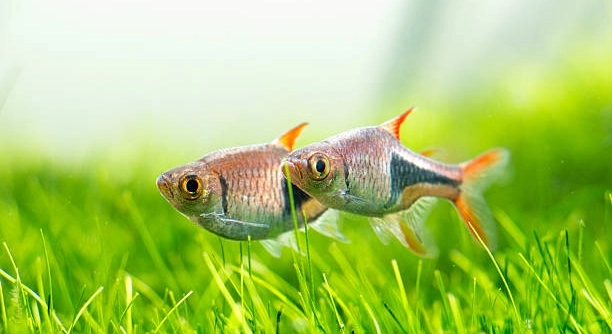
Do you ever find yourself arranging your aquarium and wondering how live plants might impact your rasboras’ well-being? Many aquarists notice that adding greenery not only enhances the tank’s appearance but also creates a more natural environment.
Live plants provide multiple benefits for rasboras, including improved water quality, oxygenation, and natural shelter. They help reduce stress, support natural behaviors, and contribute to overall health, making them a vital component of a thriving aquarium ecosystem.
From creating a peaceful habitat to maintaining water quality, live plants offer advantages that go beyond aesthetics for your rasboras.
Improved Water Quality
Adding live plants to your rasbora tank helps maintain clean water naturally. Plants absorb excess nutrients like nitrates and phosphates, which can otherwise build up and harm fish. They also reduce algae growth by competing for these same nutrients. By filtering waste products, plants create a healthier environment and help stabilize the water’s chemistry. This reduces the frequency of water changes needed and keeps your aquarium more balanced. Over time, a well-planted tank can lead to stronger, more vibrant rasboras, as they are less stressed by sudden changes in water parameters. It also encourages natural behaviors, like swimming among stems and leaves, giving them a sense of security. Even small plants placed strategically in corners or along the substrate can make a noticeable difference in water quality and overall tank health. Consistent care combined with live plants ensures your fish thrive and your aquarium remains visually appealing.
Plants act as natural filters, absorbing waste and improving water stability for rasboras.
Healthy water supports fish growth, reduces stress, and enhances their coloration, making them more active and lively.
Natural Shelter and Comfort
Live plants provide essential hiding spots for rasboras, offering a sense of security. This is especially important for younger or smaller fish that feel vulnerable in open spaces. Dense foliage allows them to rest and avoid aggressive tank mates while maintaining their natural behavior. Plants also reduce stress by giving fish areas to retreat when they feel threatened. Hiding spaces are critical during feeding, as shy fish may otherwise miss meals, impacting their health. Overcrowding in a tank without plants can increase stress levels, making fish more susceptible to disease. Even moderate planting with floating or tall plants helps break sightlines, giving rasboras room to explore freely without feeling exposed. A comfortable environment with live plants encourages breeding behaviors and social interactions, enhancing both the health and dynamics of your aquarium. Proper plant placement can create zones of activity and calm, supporting a balanced and thriving community.
Oxygenation and Gas Exchange
Live plants release oxygen during the day, which is vital for rasboras’ respiration. They also help balance carbon dioxide levels, contributing to a stable and healthy tank environment. Proper oxygenation supports activity and overall health for your fish.
Plants continuously produce oxygen, especially during daylight hours, which benefits all tank inhabitants. Oxygen-rich water enhances metabolic processes, helping rasboras maintain energy for swimming, feeding, and social interactions. A well-oxygenated tank reduces stress, lowers the risk of disease, and supports overall vitality. Combined with adequate water circulation, live plants create a consistent environment that minimizes sudden drops in oxygen levels and ensures a comfortable space for fish to thrive.
In addition to oxygen production, plants aid in gas exchange at the water surface. They absorb carbon dioxide released by fish and other organisms, helping maintain pH stability. This interaction creates a healthier chemical balance that supports long-term tank sustainability. By reducing fluctuations in oxygen and CO2, live plants help prevent stressful conditions and promote steady growth and vibrant coloration for rasboras.
Promotes Natural Behavior
Rasboras use plants for swimming patterns, hiding, and exploring. This stimulates instincts and reduces boredom, keeping them active and engaged.
A planted tank allows rasboras to exhibit schooling, foraging, and territorial behaviors naturally. Plants provide shelter and landmarks that encourage exploration and interaction with the environment. When fish feel secure, they display more natural movements, swim in groups confidently, and interact socially. Without plants, rasboras may become shy, hide excessively, or show stress signs that affect health. Incorporating various plant heights and densities creates zones for resting, feeding, and playing, fostering a dynamic environment where fish can thrive.
Structured planting also helps establish a balanced ecosystem in the tank. Plants offer areas for egg-laying and create microhabitats that support microorganisms beneficial to rasboras. These microhabitats enhance food availability and water quality simultaneously. By designing a diverse planted environment, you encourage natural rhythms and behaviors while providing a visually appealing tank. Fish can establish territories, school effectively, and navigate confidently, reducing stress and promoting long-term health.
Reduces Stress
Live plants create shaded areas and hiding spots that help rasboras feel safe. Reduced stress improves their immune system and overall health.
A well-planted tank mimics a natural environment, lowering anxiety and making fish more confident. Stress-free fish are more active and display vibrant colors consistently.
Algae Control
Plants compete with algae for nutrients, limiting its growth. This natural method helps maintain a cleaner aquarium and reduces maintenance efforts.
Enhances Aesthetic Appeal
The greenery of live plants brightens the tank and highlights rasboras’ colors, making the aquarium visually pleasing.
FAQ
What types of plants are best for rasboras?
Rasboras thrive with a mix of foreground, midground, and background plants. Small leafy plants like Java Moss or Anubias nana work well in the front. Taller plants like Vallisneria or Amazon Swords are suitable for the back, providing cover and vertical space. Floating plants like Frogbit or Duckweed also offer shade and reduce stress. Choosing hardy species that tolerate a range of water parameters ensures minimal maintenance while keeping your fish safe and comfortable.
How many plants should I have in my tank?
A planted tank should cover roughly 50-70% of the aquarium area for optimal benefit. Dense planting in some sections offers hiding spots, while open swimming spaces allow rasboras to school naturally. Avoid overcrowding, as too many plants can reduce water flow and trap debris, making maintenance harder. A balanced layout with varying plant heights and densities creates a natural and stimulating environment, encouraging healthy behaviors.
Do live plants help with breeding rasboras?
Yes, live plants are excellent for breeding. Rasboras often lay eggs among fine-leaved plants or moss, which provide protection from other fish. Dense planting creates safe microhabitats and encourages natural spawning behavior. Floating plants reduce light intensity and provide gentle cover, helping fry survive during early stages. A well-planted tank improves overall water quality and reduces stress, both of which increase breeding success rates.
Can live plants survive without CO2 injection?
Many popular aquarium plants for rasboras can thrive without CO2 injection. Species like Anubias, Java Fern, and Cryptocoryne grow slowly but consistently under normal aquarium lighting. CO2 injection can accelerate growth and enhance coloration, but it’s not strictly necessary. Consistent fertilization, adequate light, and proper substrate provide essential nutrients. Plants will still benefit the tank by improving water quality and providing cover even without supplemental CO2.
How do I maintain live plants in a rasbora tank?
Regular trimming and pruning prevent overgrowth and maintain open swimming areas. Removing decaying leaves reduces waste accumulation and supports water quality. Fertilizers and root tabs provide essential nutrients for growth. Adjust lighting to match plant needs, typically 8-10 hours per day. Monitoring water parameters ensures both plants and fish thrive together. Proper maintenance keeps the tank visually appealing while maximizing the benefits for rasboras.
Will plants affect water parameters?
Live plants naturally stabilize water parameters by absorbing nitrates and carbon dioxide. They can slightly increase oxygen levels during daylight, contributing to a healthier tank environment. While plants may slightly alter pH, this effect is usually gradual and manageable. Regular testing ensures water remains suitable for rasboras while allowing plants to flourish. Healthy plants support a balanced ecosystem, reducing sudden chemical fluctuations that stress fish.
Are floating plants necessary for rasboras?
Floating plants aren’t required but offer multiple advantages. They provide shaded areas, reducing stress for rasboras sensitive to bright light. Floating plants also limit algae growth by partially blocking excess light. They create additional microhabitats, making the tank feel more natural. Even a few floating plants can improve overall fish comfort and enhance the visual appeal of the aquarium.
Can I use substrate for plant growth?
Yes, a nutrient-rich substrate supports root development and healthier plants. Options like aquarium soil or enriched gravel provide essential minerals. Substrate depth should be adequate for roots to anchor, typically 2-3 inches. Proper substrate use ensures long-term plant stability and allows rasboras to interact naturally with their environment, supporting both their well-being and the overall aesthetics of the tank.
How do plants help reduce algae naturally?
Plants compete with algae for light and nutrients. Healthy, fast-growing plants consume excess nitrates and phosphates, leaving fewer resources for algae to grow. Strategically placing plants to shade problem areas can further inhibit algae. Maintaining a balance between light, nutrients, and plant density ensures algae stays under control while the aquarium remains visually appealing.
Can rasboras damage plants?
Rasboras are generally peaceful and do not harm healthy plants. They may nibble on very soft leaves occasionally, but this rarely causes damage. Stronger plants like Anubias, Java Fern, or Cryptocoryne withstand any minor grazing. Providing a variety of plants ensures that the tank remains lush while offering safe areas for fish to explore.
Do live plants help with disease prevention?
Yes, live plants reduce stress and improve water quality, which strengthens rasboras’ immune systems. Cleaner water lowers the risk of bacterial and fungal infections. Dense planting provides areas for fish to hide if they feel unwell, reducing exposure to aggression or stress. A healthy planted tank contributes to overall disease prevention and supports long-term fish health.
Can I mix different types of plants together?
Mixing different plant types creates a natural and stimulating environment. Combining foreground, midground, and background plants allows for varied textures and hiding spaces. Floating and rooted plants provide both shade and structure. A diverse planted layout encourages natural behaviors, enhances aesthetics, and improves water quality for rasboras.
How often should I replace or add plants?
Replacement or addition depends on growth and health. Trim overgrown plants to maintain open swimming areas and remove decayed leaves. Adding new plants periodically maintains density and keeps the tank balanced. Healthy plants sustain water quality and offer constant shelter for rasboras, promoting a thriving, low-stress environment.
Are live plants better than artificial ones for rasboras?
Yes, live plants provide biological benefits that artificial plants cannot. They improve water quality, produce oxygen, reduce stress, and support natural behaviors. Artificial plants only offer visual appeal and hiding spots, but lack the ecosystem benefits of live vegetation. Live plants create a healthier and more dynamic tank environment.
Live plants are more than just decoration in a rasbora tank. They play an essential role in maintaining a balanced and healthy environment for your fish. By naturally absorbing excess nutrients, live plants help keep the water clean and stable. This reduces the need for frequent water changes and supports the overall health of your rasboras. The greenery also provides a sense of security for the fish, offering places to hide and rest. When rasboras feel safe, they are more active, display brighter colors, and show natural behaviors like schooling and exploring. A planted tank creates a calm and stable environment that benefits both the fish and the overall aquarium ecosystem, making it easier to maintain and enjoy.
In addition to supporting water quality and fish behavior, live plants contribute to oxygenation and gas exchange. During daylight hours, plants release oxygen, which is essential for rasboras’ respiration. They also absorb carbon dioxide, helping maintain a stable pH level in the aquarium. This natural process creates a more consistent and comfortable environment, reducing stress for the fish. Live plants also provide surfaces for beneficial microorganisms to grow, which further improves water quality and supports a balanced ecosystem. The presence of plants can even help reduce algae growth by competing for nutrients, making the tank cleaner and more visually appealing. By combining proper lighting, substrate, and regular maintenance, live plants can thrive alongside your rasboras, creating a mutually beneficial environment that enhances both the health of the fish and the overall look of the aquarium.
Beyond practical benefits, live plants improve the aesthetic appeal of a rasbora tank. Their greenery contrasts beautifully with the bright colors of the fish, creating a natural and calming atmosphere. Floating plants, moss, and taller background species offer variety in texture and structure, which makes the tank feel dynamic and alive. Strategic placement of plants can create zones for swimming, hiding, and resting, allowing rasboras to interact with their environment naturally. Even simple setups with a few carefully chosen plants can make a noticeable difference in both the appearance and the quality of life for your fish. Maintaining a planted tank may require some effort, such as pruning, monitoring water parameters, and providing nutrients, but the results are well worth it. Healthy plants support water quality, reduce stress, and encourage natural behaviors, all while creating a visually pleasing environment that enhances the enjoyment of keeping rasboras. A well-planted aquarium is a combination of function and beauty, offering long-term benefits that make both the fish and the keeper happier.

Hello,
If you enjoy the content that we create, please consider saying a "Thank You!" by leaving a tip.
Every little bit helps us continue crafting quality advice that supports the health, happiness, and well-being of pets around the world, for pets of all shapes, sizes, and species.
We really appreciate the kindness and support that you show us!