
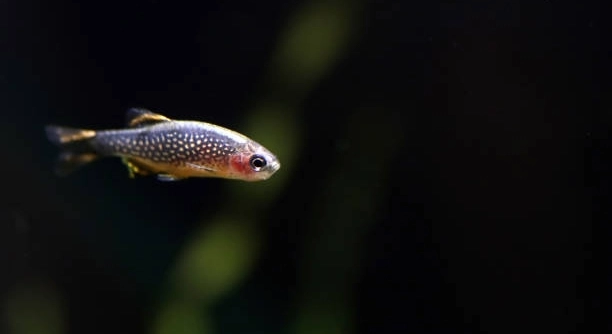
Are you considering breeding danios at home and wondering if a bare-bottom tank might be the right choice for your setup? Managing water quality and observing your fish closely are key factors in successful breeding.
Bare-bottom danio breeding tanks offer several advantages for aquarists. These tanks simplify cleaning, allow for better monitoring of eggs and fry, reduce the risk of disease, and improve overall water quality, providing a healthier environment for the fish.
Choosing a bare-bottom setup can make breeding simpler and more effective, supporting the health and growth of your danios from eggs to fry.
Easier Cleaning and Maintenance
A bare-bottom tank removes substrate, making cleaning simpler and faster. Without gravel or sand, debris and leftover food can be spotted immediately and removed. This reduces the buildup of waste, which is crucial for maintaining stable water parameters. Regular water changes become more effective since there is no material to trap dirt or chemicals. Monitoring ammonia and nitrate levels is easier because there is less organic matter to break down. For danios, clean water directly impacts their health and breeding success. Removing uneaten food promptly also prevents fungal growth on eggs, which is a common issue in tanks with substrate. Additionally, bare-bottom tanks allow for easier access to tank decorations, heaters, and filters. Overall, this setup reduces daily maintenance time and effort while giving you better control over the environment. By keeping the tank simple, you can focus on your fish and their eggs without distractions from substrate-related problems.
Maintaining a bare-bottom tank saves time and reduces stress for both the fish and the caretaker.
This simplicity also benefits the observation of breeding behavior. With no substrate to hide behind, danios’ interactions become easier to study. Eggs fall to the bottom, making it simpler to collect or monitor them. You can quickly identify any signs of disease or stress. Cleaning can be scheduled efficiently without disturbing the fish excessively, creating a more stable environment. Overall, this setup allows for healthier fish, higher survival rates for fry, and a more controlled breeding process.
Better Observation of Eggs and Fry
A bare-bottom tank makes it easier to see and monitor eggs.
With no substrate covering the tank floor, eggs can be spotted immediately after spawning, reducing the risk of losing them to hidden debris. Fry are also more visible, allowing for early detection of health issues. You can track growth rates accurately and remove any eggs that do not develop properly. Observing the fish closely helps identify which pairs are breeding successfully, and you can adjust conditions if needed. Feeding fry is simpler because they are not competing with substrate debris, ensuring they get proper nutrition. Additionally, you can monitor water conditions more efficiently, preventing sudden spikes that may harm young fish. Overall, visibility in a bare-bottom tank improves care and survival, giving you a clear view of each stage from egg to juvenile. Adjustments to temperature, feeding, or filtration can be made faster because the environment is transparent and manageable.
By eliminating substrate, bare-bottom tanks allow precise control over eggs and fry, supporting their growth and survival. Monitoring is simplified, making early interventions possible if problems arise, which significantly improves the success of breeding attempts. It is easier to separate eggs from adults or move fry to rearing tanks without disturbing the entire tank. The simplicity of the setup also reduces potential hiding spots for harmful bacteria or fungi. As a result, the overall success rate of hatching and raising danios increases, while daily maintenance remains straightforward. This approach combines efficiency, visibility, and a healthier environment, making breeding more predictable and controlled. Observing the subtle behaviors of fry and their interactions with each other and their surroundings provides valuable insights into their development. This level of control and clarity is difficult to achieve in tanks with substrate, making bare-bottom systems an effective choice for serious breeders.
Reduced Risk of Disease
Bare-bottom tanks minimize areas where harmful bacteria and parasites can hide. Without substrate, waste is removed quickly, reducing the chance of infections spreading among the fish. This creates a safer environment for both adult danios and their developing eggs and fry.
By removing gravel or sand, the tank becomes easier to disinfect. Water changes are more efficient, and any buildup of harmful microorganisms is quickly noticed and addressed. Eggs and fry are less likely to be exposed to pathogens that could affect their growth. This environment supports stronger, healthier fish that are more resilient during breeding. A simple cleaning routine combined with proper filtration ensures the tank remains safe. Additionally, monitoring water quality is straightforward, helping prevent common diseases linked to poor conditions. The overall result is a healthier breeding setup with fewer complications.
Monitoring for signs of illness is easier in a bare-bottom tank. Any unusual behavior, spots, or discoloration is immediately visible, allowing prompt treatment. This proactive approach keeps the breeding population stable and improves fry survival rates. Managing disease risks becomes predictable, and less time is spent troubleshooting hidden problems.
Improved Water Quality
Without substrate, debris and leftover food are removed quickly, keeping water clearer and reducing chemical buildup. Fry and adults benefit from consistent, healthy conditions. Proper water quality supports breeding success and overall fish vitality.
A bare-bottom tank allows for better water circulation, preventing dead zones where waste could accumulate. Filtration is more effective because it is not constantly clogged by substrate particles. Ammonia, nitrite, and nitrate levels can be managed more reliably, reducing stress on the fish. Clear water also allows for better observation of fish behavior and egg development. With fewer contaminants, fry have a higher survival rate and develop more uniformly. This environment reduces sudden spikes in harmful compounds, which often lead to disease or poor growth. Maintaining stable temperature and pH becomes simpler, ensuring optimal conditions for breeding danios.
Consistently clean water improves oxygen levels and reduces stress. Eggs are less likely to become infected, and fry grow in a stable, healthy environment. The controlled setup allows for precise management of feeding, filtration, and water changes. As a result, the fish remain vibrant, and breeding outcomes are more predictable. Proper water quality directly influences the success of each breeding cycle, making maintenance straightforward while supporting the long-term health of the tank inhabitants.
Faster Feeding and Fry Growth
Fry can access food more easily in a bare-bottom tank. There is no substrate to trap flakes or pellets, allowing them to feed efficiently and grow faster. Early nutrition directly impacts their development and survival.
Adults also benefit, as leftover food can be removed quickly. This keeps the tank cleaner and reduces competition among fry, ensuring healthier, more uniform growth for the young fish.
Simplified Breeding Management
A bare-bottom tank allows for straightforward separation of adults, eggs, and fry. Collecting eggs or moving fry is easier, reducing stress on both fish and caretaker. Monitoring breeding success becomes more efficient, helping maintain control over the entire process.
Enhanced Observation of Fish Behavior
Without substrate, interactions between adults and fry are easier to see. Observing courtship, spawning, and fry activity helps in understanding breeding patterns and adjusting conditions to support healthy development.
FAQ
Why should I choose a bare-bottom tank over a substrate tank for breeding danios?
A bare-bottom tank simplifies maintenance and cleaning. Debris and leftover food are easily removed, reducing waste buildup that can harm eggs or fry. It also improves water quality, making it easier to monitor ammonia, nitrite, and nitrate levels. Overall, it provides a cleaner and healthier environment for breeding.
Will bare-bottom tanks stress my danios?
Not if properly set up. While danios may be accustomed to substrate in general aquariums, adults adjust quickly. Adding plants, floating decorations, or hiding spots can provide security. Stress is more likely from poor water conditions or overcrowding, not the lack of substrate.
How do I manage fry in a bare-bottom tank?
Fry are easier to observe and feed in bare-bottom tanks. Food doesn’t get trapped in gravel, allowing fry to access it directly. Collecting eggs or transferring fry to rearing tanks is also simpler. Keep the water clean and monitor their growth daily to ensure healthy development.
Do bare-bottom tanks affect water temperature stability?
Bare-bottom tanks can actually make heating more efficient. Without substrate, heat distributes more evenly throughout the water column. Using a reliable heater ensures a stable temperature, which is critical for egg development and fry survival.
Is algae growth a problem without substrate?
Algae can still grow on glass or decorations, but without substrate it is easier to clean. Regular maintenance, light control, and monitoring nutrient levels help prevent excessive algae. Bare-bottom setups allow for fast cleaning without disturbing fish or eggs.
Can I still use plants in a bare-bottom tank?
Yes, live or artificial plants can be added. Floating plants provide cover and shade, while rooted plants can be placed in pots. These additions offer hiding spots for fry and make adults feel secure without interfering with cleaning or egg collection.
How often should I clean a bare-bottom breeding tank?
Daily removal of uneaten food and debris is recommended, along with partial water changes two to three times per week. Cleaning is faster than with substrate, making it easier to maintain optimal water quality. Consistent care reduces disease risk and improves fry survival.
Will bare-bottom tanks improve fry survival rates?
Yes, fry survival rates generally improve. Eggs are easier to monitor, and waste does not accumulate in hidden spots. Fry are more visible, allowing early intervention if problems arise. Clean, stable water conditions create an environment where fry can grow stronger and healthier.
Do bare-bottom tanks require special filtration?
Standard filters work well, but avoid strong currents that may harm eggs or fry. Sponge filters are ideal because they provide gentle filtration and can support beneficial bacteria. Bare-bottom setups allow filters to work more efficiently without substrate clogging them.
Are bare-bottom tanks suitable for long-term housing of danios?
They are mainly ideal for breeding and raising fry. While adults can live in them, adding hiding places and decorations is important for comfort. For long-term aquariums focused on display rather than breeding, substrate may be preferred for aesthetics and natural behavior.
Can I combine bare-bottom tanks with other breeding techniques?
Yes, bare-bottom tanks work well with spawning mops, mesh inserts, or egg traps. These methods protect eggs from adults while keeping them easy to collect. Combining techniques maximizes survival rates and gives better control over breeding outcomes.
How do I prevent disease in a bare-bottom tank?
Regular cleaning, water changes, and careful observation are key. Removing waste quickly, monitoring water parameters, and avoiding overcrowding reduce disease risk. Any signs of illness should be addressed immediately, as bare-bottom tanks make it easier to spot problems early.
What size tank is ideal for breeding danios?
Small to medium tanks, around 10 to 20 gallons, work well. This size provides enough space for adults and fry while keeping water parameters stable. Bare-bottom setups in these tanks are easy to maintain, clean, and monitor.
Do I need to feed differently in a bare-bottom tank?
Feeding is similar to other tanks, but uneaten food should be removed promptly. Fry can access food more easily, which improves growth. Adult feeding is more straightforward, and monitoring consumption helps prevent overfeeding.
Can I reuse a bare-bottom tank for multiple breeding cycles?
Yes, as long as the tank is properly cleaned between cycles. Thoroughly disinfecting the tank, equipment, and decorations prevents disease buildup. Bare-bottom setups make this process simpler compared with substrate tanks, ensuring a safe environment for new eggs and fry.
Is there any downside to using a bare-bottom tank?
The main drawback is aesthetics and the absence of natural substrate for digging or burrowing behavior. Adults may appear less “natural” without gravel. However, for breeding and fry survival, the benefits of cleanliness and observation outweigh these minor disadvantages.
How do I acclimate danios to a bare-bottom tank?
Introduce them gradually if they are used to substrate. Add decorations or floating plants to make the tank feel secure. Observe their behavior and ensure water parameters are stable. Most danios adapt quickly without stress.
Are bare-bottom tanks more cost-effective?
Yes, they reduce the need for substrate, make cleaning supplies last longer, and simplify filtration management. Fewer complications with water quality also reduce potential costs for treatments or interventions. For breeders, this efficiency saves both time and money.
Can bare-bottom tanks be used for other fish species?
Yes, species with similar breeding needs benefit, especially those whose eggs and fry are delicate. Any fish that require clean water and easy observation can thrive in a bare-bottom setup, making it versatile for multiple breeding applications.
What is the ideal water depth for a bare-bottom breeding tank?
Shallow water, around 6 to 10 inches, works best for danios. It allows easy access to food, better observation of fry, and simplified water changes. Shallow water also stabilizes temperature more efficiently.
How do I handle eggs that fall to the bottom?
Eggs are easy to collect in bare-bottom tanks. Use a small net or siphon to transfer them to a separate hatching container if needed. Immediate removal from adults reduces predation risk and improves survival.
Can I use bare-bottom tanks in small spaces?
Yes, they are ideal for small apartments or limited setups. Their low maintenance and simple design save space while allowing efficient breeding and monitoring.
Do bare-bottom tanks require special lighting?
Standard aquarium lighting works fine. Bright light may encourage algae growth, so control duration and intensity. Lighting should support observation and plant growth if added.
Is water flow important in a bare-bottom tank?
Yes, gentle water flow is important. Strong currents can stress fry and displace eggs. Adjust filter output or use sponge filters to maintain a calm environment that supports healthy development.
How long should I keep fry in a bare-bottom tank?
Fry can stay until they are large enough to handle standard tanks. Daily care, monitoring growth, and proper feeding ensure they transition smoothly to larger or community tanks.
Can I use medication in bare-bottom tanks if needed?
Yes, medications can be applied directly. The lack of substrate ensures even distribution and prevents absorption into gravel. Always follow dosage instructions carefully to protect eggs, fry, and adults.
Do bare-bottom tanks require special monitoring equipment?
Basic equipment like thermometers, water test kits, and reliable heaters is sufficient. The simplicity of the setup allows for straightforward observation without additional complex tools.
Are bare-bottom tanks noisy due to filtration?
Not necessarily. Using sponge filters or low-flow pumps keeps noise minimal. The absence of substrate does not increase noise levels and often makes cleaning quieter.
How do I introduce new adults into a bare-bottom breeding tank?
Quarantine them first to prevent disease. Acclimate slowly to water conditions and tank setup. Monitor behavior to ensure smooth integration before starting a breeding cycle.
Can bare-bottom tanks be moved easily?
Yes, their simplicity and lack of substrate make them lightweight and easy to move. This is useful for cleaning, relocation, or temporary adjustments during breeding.
Do I need to remove all decorations for breeding?
Not necessarily. Minimal decorations or floating plants can remain for cover and comfort. Ensure they do not interfere with egg collection or cleaning routines.
How do I prevent fry from escaping siphons during water changes?
Use a fine mesh or sponge filter to block fry. Remove only a portion of water at a time to avoid accidentally siphoning them. Careful technique ensures fry remain safe.
Can I breed multiple pairs in the same bare-bottom tank?
Yes, but avoid overcrowding. Monitor interactions closely, as aggression or competition may increase. Separating eggs or fry when necessary ensures higher survival rates and reduces stress on adults.
Are bare-bottom tanks easier to disinfect?
Yes, surfaces are fully exposed. Cleaning solutions or warm water can reach all areas, making disinfection fast and effective. This reduces the risk of leftover pathogens affecting new breeding cycles.
Do bare-bottom tanks affect egg hatching time?
Hatching time depends on water quality, temperature, and species, not substrate. Bare-bottom tanks allow better control of these factors, indirectly supporting consistent and successful hatching.
Can I combine bare-bottom tanks with automated feeding systems?
Yes, automated feeders work well. Since food does not get trapped, fry and adults can access it efficiently. Regular checks ensure proper amounts are delivered without overfeeding.
Are bare-bottom tanks suitable for temporary setups?
Yes, they are ideal for short-term breeding or fry raising. Easy cleaning, fast setup, and efficient monitoring make them perfect for temporary use without long-term maintenance concerns.
Do bare-bottom tanks help prevent fungal infections?
Yes, eggs are less likely to sit in damp substrate, reducing fungal growth. Prompt removal of waste and uneaten food further lowers infection risk, supporting healthier fry development.
How do I handle aggressive adults in a bare-bottom tank?
Monitor behavior and separate if needed. Bare-bottom tanks make moving fish simpler and reduce the risk of hiding spots for territorial disputes. Providing minimal cover can also calm aggression.
Can bare-bottom tanks be used for livebearers?
Yes, they can work, especially for fry observation and removal. The benefits of clean water and visibility apply to various livebearing species, improving survival rates.
Is it harder to maintain water chemistry in bare-bottom tanks?
No, it is easier. Without substrate, chemicals do not accumulate in hidden spaces. Testing and adjustments are more predictable, supporting stable conditions for breeding.
Do bare-bottom tanks require frequent water changes?
Partial water changes two to three times per week are usually sufficient. Daily removal of debris ensures optimal water quality, reducing stress and supporting healthy fry growth.
Are bare-bottom tanks suitable for community breeding?
They can be, but careful selection of species is important. Aggressive or fin-nipping fish may harm eggs or fry. Proper monitoring ensures all species remain safe.
Can I add air stones in a bare-bottom tank?
Yes, they improve oxygenation without affecting cleaning. Gentle bubbles enhance water circulation and benefit both adults and fry.
Do bare-bottom tanks increase fry visibility for research purposes?
Absolutely. Without substrate, behavior, growth, and interactions are easier to observe. This setup supports detailed monitoring for breeding studies or personal tracking of fry development.
How long does it take for fry to become independent in a bare-bottom tank?
It depends on species, but typically a few weeks. Easy access to food and clean water helps fry develop quickly and safely, ensuring they are ready for standard tanks.
Can I breed multiple species in a bare-bottom tank?
Yes, but only compatible species should be kept together. Careful observation is required to prevent predation or stress on eggs and fry.
Do bare-bottom tanks reduce mortality during early fry stages?
Yes, cleaner conditions and better observation significantly improve survival rates. Eggs are less likely to be infected, and fry have immediate access to food without competition from debris.
Are bare-bottom tanks more energy-efficient?
They can be. Less substrate means heaters and filters work efficiently, reducing energy needed to maintain stable water parameters.
How do I handle overfeeding in bare-bottom tanks?
Remove uneaten food promptly. Feeding small amounts multiple times a day ensures fry get nutrition without polluting the water. This simple routine supports growth and reduces water quality issues.
Can I use bare-bottom tanks for quarantine purposes?
Yes, they are ideal for quarantine. Observation, cleaning, and treatment are easier, allowing effective monitoring of new or sick fish.
Do bare-bottom tanks require less equipment overall?
Yes, fewer cleaning tools are needed, and filtration is simpler. The setup reduces the need for substrate-related supplies, making maintenance more straightforward.
Are bare-bottom tanks suitable for breeding during colder months?
Yes, stable water temperature is easier to maintain without substrate. Heaters work efficiently, supporting egg development and fry growth even in cooler conditions.
Can bare-bottom tanks be used for long-term fry rearing?
Yes, they are ideal for the early growth stages. Once fry are larger, they can transition to tanks with substrate for more natural behaviors.
Do bare-bottom tanks affect breeding frequency?
Indirectly, yes. Cleaner water, easier observation, and reduced disease stress can encourage more consistent spawning and healthier eggs.
How do I introduce live food in a bare-bottom tank?
Live food can be added directly. Fry access it immediately without hiding in substrate. Remove uneaten portions to maintain water quality.
Can I monitor breeding pairs more effectively in bare-bottom tanks?
Yes, interactions, courtship, and spawning behaviors are easier to observe, allowing better management and improved breeding success.
Is there any maintenance difference compared to small community tanks?
Maintenance is simpler. Cleaning, feeding, and water monitoring are faster due to the lack of substrate, making bare-bottom breeding tanks highly efficient.
Do bare-bottom tanks require frequent water testing?
Yes, regular testing is important to maintain stable conditions. The simplified setup makes it easier to detect changes quickly and respond appropriately.
How do I prevent fry from being eaten by adults?
Use mesh inserts or separate fry tanks. Bare-bottom setups make it easier to remove eggs or fry quickly, protecting them from predation while maintaining clean water.
Are bare-bottom tanks compatible with temperature or pH adjustments?
Yes, they respond more predictably to changes. Adjustments for optimal breeding conditions are easier to monitor and control without substrate interfering.
Can bare-bottom tanks improve overall breeding efficiency?
Yes, they simplify cleaning, feeding, observation, and disease management. The controlled environment supports healthier adults, higher egg survival, and stronger fry development.
Do bare-bottom tanks reduce the need for substrate-specific tools?
Yes, tools like gravel vacuums are unnecessary. Cleaning is faster, and maintenance is simpler, saving both time and effort.
How do I prevent stress during tank cleaning?
Clean gradually, removing debris and performing water changes without disturbing adults or fry excessively. Bare-bottom setups make this process smoother and less stressful.
Can bare-bottom tanks be used for educational purposes?
Yes, their visibility and simplicity make them ideal for observing breeding, fry development, and fish behavior in classrooms or research settings.
Are bare-bottom tanks suitable for fish with delicate eggs?
Absolutely. Eggs can be monitored closely, and the risk of fungal infections or being buried in substrate is minimized, increasing survival rates.
Do bare-bottom tanks require special feeding schedules?
No special schedule is required, but smaller, more frequent feedings ensure fry get proper nutrition and reduce waste accumulation.
How do I transition fry to larger tanks?
Once fry reach a suitable size, gently transfer them to tanks with substrate or community setups. Bare-bottom tanks make handling easier, reducing stress during transfer.
Are bare-bottom tanks better for monitoring water clarity?
Yes, any changes in clarity, debris, or uneaten food are immediately noticeable, allowing faster responses to maintain optimal conditions.
Can bare-bottom tanks help prevent overpopulation?
Indirectly, by making egg and fry collection easier. You can separate or transfer fry efficiently, controlling population growth and maintaining healthy densities.
How do I ensure proper aeration in bare-bottom tanks?
Use sponge filters or gentle air stones. Without substrate, water circulates freely, supporting oxygenation for both adults and fry.
Do bare-bottom tanks work for seasonal breeding patterns?
Yes, controlled water parameters, temperature, and feeding make it easier to support breeding cycles regardless of season.
Can I observe subtle behaviors in fry better?
Yes, without substrate hiding spots, movements, feeding, and interactions are easier to see, supporting better management and growth tracking.
How do bare-bottom tanks compare with mesh-bottom breeding tanks?
Mesh-bottom tanks separate eggs from adults, while bare-bottom tanks focus on visibility and cleaning. Both improve fry survival, but bare-bottom is simpler for observation and maintenance.
Are bare-bottom tanks effective for early-stage development?
Yes, fry receive immediate access to food, clean water, and protection from substrate-related hazards, supporting strong, healthy growth during early stages.
Do bare-bottom tanks reduce water contamination?
Yes, without substrate trapping waste, harmful chemicals accumulate less, making water changes more effective and maintaining healthier conditions.
How do I handle large-scale breeding in bare-bottom tanks?
Use multiple tanks for adults, eggs, and fry. The simplicity of bare-bottom setups allows easy monitoring and management of multiple breeding pairs efficiently.
Can bare-bottom tanks be used for both eggs and fry simultaneously?
Yes, eggs can be monitored on the tank floor while fry have easy access to food and clean water. Careful observation ensures survival.
Do bare-bottom tanks save time in the long term?
Yes, cleaning, feeding, and monitoring take less time, making breeding more efficient and less labor-intensive overall.
How do I prevent overpopulation in bare-bottom tanks?
Collect eggs promptly and transfer fry as needed. The visibility of a bare-bottom tank helps manage numbers before overcrowding occurs.
Can I mix species in bare-bottom breeding setups?
Yes, compatible species can be kept together, but careful monitoring is required to prevent predation or stress.
Are bare-bottom tanks suitable for raising fry to juvenile stage?
Yes, the clean environment, easy feeding, and reduced disease risk make them ideal for early growth stages.
Do bare-bottom tanks require more frequent observation?
Yes, visibility allows quick detection of problems, but daily checks are easier and faster than substrate tanks.
Can bare-bottom tanks support natural behaviors?
Yes, to some extent. Minimal decorations or floating plants allow hiding and exploration while maintaining the benefits of simplicity.
How do I handle tank accidents in bare-bottom setups?
Spills or equipment failures are easier to manage without substrate, reducing cleanup time and stress for fish.
Do bare-bottom tanks impact water evaporation?
No significant impact, though regular topping off is still needed. Shallow tanks may require more frequent monitoring.
Are bare-bottom tanks suitable for breeding multiple generations?
Yes, careful management and cleaning allow consecutive breeding cycles without substrate-related complications.
Bare-bottom danio breeding tanks provide a straightforward and efficient setup for anyone looking to successfully breed these lively fish. Removing substrate from the tank makes cleaning faster and simpler, which directly improves water quality and reduces the buildup of harmful waste. Clean water is essential for the health of adult danios, the viability of their eggs, and the growth of fry. With no gravel or sand to trap uneaten food or debris, maintaining stable water parameters becomes much easier. This simplicity also allows for better observation of the fish, making it easier to monitor their behavior, identify breeding pairs, and track the development of eggs and fry. By keeping the tank clean and organized, breeders can ensure that their fish have a healthier environment, which in turn improves breeding success and fry survival rates. Overall, bare-bottom tanks remove many of the complications that substrate can introduce, allowing for a more controlled and predictable breeding experience.
Another significant advantage of bare-bottom tanks is the ability to observe eggs and fry more closely. Eggs fall to the tank floor, where they are immediately visible, making it easier to collect or monitor them for signs of infection or poor development. Fry are also easier to watch, ensuring they are feeding properly and growing at a steady rate. Early intervention is possible if any problems arise, such as illness or abnormal behavior. This direct visibility allows breeders to make quick adjustments to water conditions, feeding routines, or tank setup, which can significantly increase the survival and health of the young fish. Additionally, bare-bottom tanks simplify the separation of adults, eggs, and fry. Moving fish or eggs between tanks is easier and less stressful, reducing the risk of injury or predation. The controlled environment also supports consistent temperature, filtration, and aeration, all of which contribute to a more reliable and efficient breeding process.
While bare-bottom tanks may lack the visual appeal of substrate or fully planted tanks, their practical advantages make them ideal for breeding purposes. They reduce disease risk, improve water quality, and allow for precise monitoring of fish behavior and fry development. The setup is cost-effective and easy to maintain, saving both time and effort for the breeder. Adults quickly adapt to the bare environment, especially when minimal decorations or floating plants are included for cover. Fry benefit from easy access to food and a clean environment, promoting stronger, healthier growth. For anyone focused on breeding danios, bare-bottom tanks offer a controlled and manageable space that prioritizes health, observation, and breeding efficiency over aesthetics. The simplicity of this approach makes it an effective choice for both beginner and experienced breeders, providing a reliable way to support healthy fish and successful breeding outcomes.

Hello,
If you enjoy the content that we create, please consider saying a "Thank You!" by leaving a tip.
Every little bit helps us continue crafting quality advice that supports the health, happiness, and well-being of pets around the world, for pets of all shapes, sizes, and species.
We really appreciate the kindness and support that you show us!