
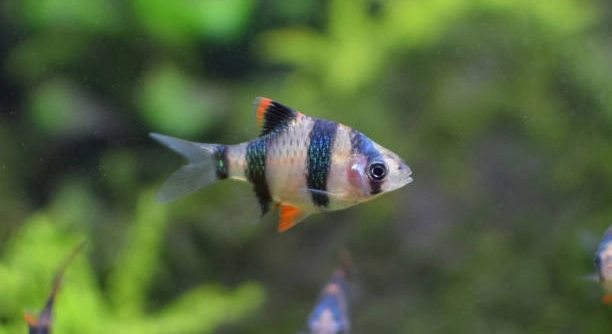
Tiger barbs are lively freshwater fish that thrive in well-maintained aquariums. Many aquarists focus on water quality and tank setup to keep these fish healthy and active. One important aspect is the water current, which can greatly affect their behavior and well-being.
A slow current benefits tiger barbs by reducing stress and promoting natural swimming patterns. It helps maintain optimal oxygen levels without exhausting the fish. Slow currents also support the growth of beneficial bacteria and improve overall tank stability.
Understanding how water flow influences tiger barbs can improve their care and tank environment. The following details highlight key advantages of maintaining a gentle current for these vibrant fish.
Reduced Stress Levels
A slow current helps tiger barbs feel more relaxed and less anxious in their environment. Fast or turbulent water can tire them out quickly, leading to increased stress and a weaker immune system. When the current is gentle, the fish can swim naturally without fighting against strong water flow. This calmer environment supports their overall health and encourages more consistent behavior. A steady, slow current also helps them conserve energy, which they can use for growth and reproduction. Maintaining a peaceful water flow is essential for keeping tiger barbs active and vibrant in an aquarium. It prevents unnecessary fatigue, which is especially important in smaller tanks where strong currents can overwhelm these small fish. By providing a suitable water movement, you create an environment closer to their natural habitat, allowing tiger barbs to display their natural colors and social behaviors more effectively.
Stress directly affects the health and lifespan of tiger barbs, making slow currents a key factor in tank management.
Slow currents also contribute to a more stable environment by reducing aggressive interactions among tiger barbs. When fish are not exhausted by fighting strong water flow, they tend to be less territorial and more social. This harmony promotes better group dynamics and healthier fish overall.
Improved Oxygenation and Filtration
Maintaining a slow current aids in distributing oxygen evenly throughout the tank. While fast currents can cause uneven oxygen levels and areas of poor circulation, gentle flow ensures all parts of the aquarium receive sufficient oxygen. This steady water movement helps beneficial bacteria grow in the filter and on surfaces, which breaks down waste products effectively. A healthy bacterial colony is essential for keeping the tank clean and safe for tiger barbs. Additionally, slow currents reduce the chance of debris being stirred up, allowing the filtration system to work more efficiently. This cleaner environment supports the delicate balance required for tiger barbs to thrive and prevents harmful buildup of toxins in the water.
Gentle water flow helps maintain consistent oxygen levels and supports biological filtration, crucial for tiger barbs’ health.
A slow current creates an ideal environment for nitrogen cycle bacteria, which convert harmful ammonia into less toxic substances. These bacteria attach to surfaces in the aquarium, including plants, substrate, and filter media. When the water flow is too strong, these bacteria may be disrupted or washed away, reducing filtration efficiency. Slow water movement allows these colonies to flourish, improving water quality and reducing the need for frequent water changes. This process also ensures that toxins from fish waste do not accumulate, keeping the water safe and stable. Maintaining a balanced filtration system with a gentle current benefits not only tiger barbs but all tank inhabitants, creating a healthy and sustainable ecosystem.
Enhanced Natural Behavior
Slow currents allow tiger barbs to swim more naturally, mimicking conditions found in their native habitats. This encourages their natural schooling and foraging behaviors, which are vital for their well-being. When the water flows too quickly, these behaviors are often disrupted.
The gentle flow helps tiger barbs stay active without expending excess energy. It encourages exploration and interaction within their group, promoting healthy social dynamics. In fast currents, fish may struggle to maintain position and become stressed, which reduces activity and natural movements. A slower current also supports their feeding habits by preventing food from being swept away too quickly, allowing tiger barbs to feed at a comfortable pace. This contributes to better digestion and overall health.
When tiger barbs experience conditions similar to their natural streams, they exhibit more vibrant colors and lively behavior. This creates a more visually appealing and dynamic aquarium environment. Slow currents support these behaviors, making the tank more enjoyable to observe and maintain.
Prevention of Injuries
Strong currents can cause physical damage to tiger barbs, especially their fins and scales. A slow current minimizes the risk of injuries from constant strong water movement. This protects their delicate bodies and keeps them healthy.
In fast-moving water, tiger barbs may get pushed against rough surfaces or decorations, causing fin tears or scale damage. These injuries can lead to infections or slower healing. A gentle current reduces these risks by allowing fish to swim smoothly and avoid hazards. It also decreases aggressive encounters, as fish are less stressed and more balanced in their movements. Keeping the current slow ensures tiger barbs are less prone to physical harm, which supports their long-term health and reduces the need for medical treatment. This approach creates a safer, more comfortable habitat for these active fish.
Better Plant Growth
Slow currents help aquarium plants grow by providing a steady flow of nutrients without uprooting them. Strong currents can disturb roots and damage delicate leaves, while gentle water movement supports healthy growth and stability.
With slower water flow, plants can absorb nutrients efficiently. This creates a balanced ecosystem where tiger barbs benefit from natural hiding spots and oxygen produced by plants.
Reduced Waste Stirring
A slow current limits the stirring of debris and uneaten food on the tank bottom. This keeps the substrate cleaner and reduces the chance of harmful substances spreading through the water.
This effect contributes to better water quality, supporting the health of tiger barbs and other tank inhabitants.
Energy Conservation
Tiger barbs expend less energy swimming in slow currents. This energy saving allows them to stay healthier and more active for longer periods.
Lower energy use means better growth and resilience against illness.
Enhanced Visual Appeal
Slow water flow highlights the natural beauty and vibrant colors of tiger barbs. Calm water allows clearer viewing and reduces stress-related dulling of their appearance.
How slow should the current be for tiger barbs?
The current should be gentle enough that tiger barbs can swim comfortably without struggling. Ideally, the water flow should mimic a slow-moving stream, allowing fish to swim freely but not be forced to fight strong water pressure. This usually means adjusting your filter output or using flow diffusers to soften the water movement. A current speed that creates mild ripples rather than strong waves works best. Observing the fish helps; if they are constantly pushed backward or hiding to avoid the flow, it is likely too strong. Slow currents help maintain natural behavior and reduce stress.
Can slow currents cause stagnant water or poor oxygen levels?
Slow currents do not necessarily lead to stagnant water or low oxygen, as long as there is enough surface agitation and proper filtration. Surface movement helps oxygenate the water by allowing gas exchange, and even gentle currents can circulate oxygen-rich water throughout the tank. Using an air stone or a well-positioned filter output can maintain oxygen levels without creating harsh flow. It’s important to monitor your tank’s oxygen, especially in smaller or densely stocked aquariums. Regular water changes also help maintain oxygen and water quality.
How do slow currents affect tank maintenance?
Slow currents can make tank maintenance easier by reducing debris suspension. Uneaten food and waste tend to settle on the substrate rather than floating around, making it easier to spot and clean. This also helps filtration systems by reducing the workload of trapping floating particles. However, it’s essential to perform regular vacuuming of the substrate to remove settled debris. Slow currents support a cleaner environment but do not eliminate the need for routine tank care.
Are slow currents suitable for all tank setups with tiger barbs?
Most aquarium setups benefit from slow currents when keeping tiger barbs, but tank size and decoration layout affect the flow. Smaller tanks may require very gentle flow to avoid stressing the fish. Tanks with many plants or driftwood may naturally slow the current, providing ideal conditions. Larger tanks might need stronger filtration, but diffusers or baffles can reduce water speed. Adjusting the flow to suit your specific setup ensures tiger barbs remain healthy and comfortable regardless of tank size or design.
Do tiger barbs prefer slow currents over still water?
Tiger barbs thrive better with slow currents rather than completely still water. Slow-moving water replicates their natural habitats, promoting natural swimming and social behaviors. Still water can reduce oxygen levels and lead to buildup of waste. Slow currents keep the water fresh and oxygenated without overwhelming the fish. This balance supports their health and activity, making slow currents preferable to stagnant conditions.
How can I create a slow current in my aquarium?
Creating a slow current involves adjusting filter output or adding flow diffusers. Many filters have adjustable flow rates or spray bars that spread water evenly. Adding sponge filters or air stones also generates gentle water movement. Placing decorations strategically can slow down currents by breaking up direct flow paths. Experimenting with equipment settings and tank layout helps achieve the desired gentle flow. Monitoring fish behavior will confirm if the current is appropriate.
What signs indicate the current is too strong for tiger barbs?
Signs include fish constantly swimming against the flow and appearing exhausted or stressed. You might see tiger barbs hiding frequently or losing color due to stress. Fin damage can also occur if they repeatedly bump into tank decorations or substrate. If fish are pushed to one side or struggle to maintain position, the current is likely too strong. Adjusting the filter or adding flow modifiers can reduce the water speed to a comfortable level.
Can a slow current improve breeding success in tiger barbs?
Yes, slow currents create a stable environment that supports breeding behaviors. Strong currents can disrupt spawning activities and damage eggs by washing them away. A gentle flow helps eggs stay in place and reduces stress on breeding pairs. It also improves water quality, which is critical for successful fry development. Providing calm water conditions enhances the chances of tiger barb breeding success.
Is there a risk of algae growth with slow currents?
Slow currents can contribute to algae growth if water circulation is insufficient in certain areas. Without proper flow, nutrients may accumulate on surfaces, feeding algae. However, this risk can be managed with good tank maintenance, balanced lighting, and regular water changes. Slow water movement doesn’t automatically cause algae but requires attention to overall tank care to prevent buildup.
How often should I check the current flow in my tiger barb tank?
It’s a good idea to observe the current regularly, especially after equipment changes or when adding new decorations. Checking once a week or during routine maintenance ensures the flow remains gentle and suitable. Monitoring fish behavior is the best indicator, so adjust as needed. Consistent checks help maintain a stable environment and prevent issues caused by sudden changes in water movement.
Maintaining a slow current in a tiger barb aquarium offers many advantages that contribute to the fish’s overall health and well-being. A gentle flow helps reduce stress and allows these active fish to swim naturally, much like they would in their native habitats. When the water moves too quickly, tiger barbs can become tired and anxious, which affects their behavior and physical condition. A slow current supports their natural swimming patterns, making them more comfortable and less prone to stress-related issues. This simple adjustment to water flow can make a significant difference in the day-to-day life of your fish.
In addition to reducing stress, slow currents help maintain water quality by promoting better oxygen distribution and supporting biological filtration. With a gentle flow, beneficial bacteria have a stable environment to grow, which breaks down waste effectively and keeps the tank cleaner. Slow-moving water also prevents debris from constantly stirring up, which can otherwise reduce water clarity and increase the risk of harmful toxins. These conditions create a healthier habitat for tiger barbs and other tank inhabitants. Keeping the water clean and well-oxygenated through a slow current improves the overall stability of the aquarium environment, making it easier to care for.
Lastly, slow currents support better plant growth and prevent physical injuries in tiger barbs. Plants thrive when water movement is gentle, as strong currents can uproot roots or damage delicate leaves. Healthy plants provide shelter and hiding spots, which are important for the comfort and security of tiger barbs. Also, a slow current reduces the chance of fish getting hurt by bumping into decorations or rough surfaces due to strong water flow. By protecting your fish from injury and creating a balanced ecosystem, slow currents contribute to a more natural, safe, and visually appealing aquarium. These benefits make slow currents a simple but important aspect to consider for anyone keeping tiger barbs.

Hello,
If you enjoy the content that we create, please consider saying a "Thank You!" by leaving a tip.
Every little bit helps us continue crafting quality advice that supports the health, happiness, and well-being of pets around the world, for pets of all shapes, sizes, and species.
We really appreciate the kindness and support that you show us!