
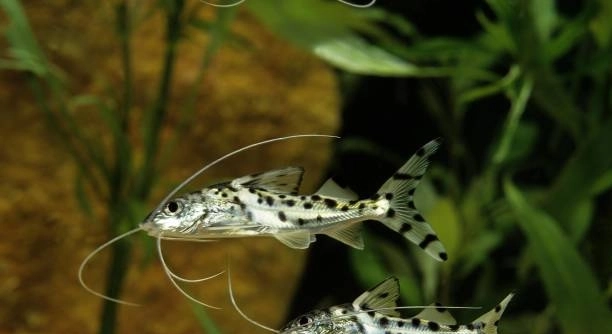
Are your Pictus catfish constantly zipping around their tank, never seeming to slow down? These playful fish need more than just clean water and good food—they need the right space to move comfortably and stay healthy.
A deeper tank benefits Pictus catfish by offering more vertical swimming room, improving water stability, reducing stress, and supporting better oxygen exchange. This type of setup closely mimics their natural habitat and promotes healthier behavior and growth.
Understanding how a tank’s depth affects your Pictus catfish can help you create a more comfortable and enriching environment for them.
More Room for Natural Movement
Pictus catfish are naturally active swimmers that enjoy exploring every corner of their tank. A deeper tank gives them the space they need to move freely, especially in the vertical direction, which is often overlooked. These fish don’t just swim side to side—they also enjoy moving up and down. In shallow tanks, they can become frustrated or stressed due to the lack of space to express their full range of movement. Over time, this can lead to behavioral issues and even health problems. By offering a deeper tank, you’re creating an environment that feels more natural and allows your Pictus catfish to behave as they would in the wild. Their movements will look more fluid and relaxed, which is a good sign of overall well-being. A spacious, tall tank doesn’t just look nice—it supports the physical and mental health of your fish in a real and visible way.
A tank that gives your fish proper space will help reduce signs of stress and make their behavior more predictable and peaceful.
When fish have enough space to move naturally, they tend to show more stable behaviors. This is especially true for Pictus catfish. In a cramped or shallow tank, they may dart around quickly, sometimes bumping into objects or tank mates. Over time, this kind of environment can increase aggression or cause hiding behaviors. A deeper tank gives them more vertical room to explore, making their movements feel less restricted. It also allows for better separation between different areas of the tank, which can help avoid territorial tension if you keep multiple fish. Watching your Pictus swim smoothly in and out of open water and planted zones is a good sign that they’re feeling calm and secure. A fish that feels at ease in its tank is more likely to show its natural personality and live a longer, healthier life.
Better Oxygen Exchange and Water Quality
Taller tanks improve surface agitation when paired with the right filtration, allowing for more efficient gas exchange and better water quality.
A deeper tank supports a more stable aquatic environment in a few important ways. First, it allows more water volume, which naturally leads to more stable parameters like temperature, pH, and ammonia levels. Bigger bodies of water take longer to change, which means fewer sudden shifts that could stress or harm your fish. Second, more depth improves oxygen exchange, especially if you use a filter that causes surface movement. When the water’s surface moves more, oxygen enters the tank and carbon dioxide leaves, creating a better balance. This is vital for Pictus catfish, who need well-oxygenated water to stay active and healthy. Finally, a larger tank is easier to manage over time because it’s more forgiving of small mistakes, like slight overfeeding or missed water changes. These benefits come together to create a healthier space that supports your fish’s energy, appetite, and overall well-being.
Supports More Hiding and Resting Spaces
A deeper tank gives you extra room to add more hiding spots, like caves or tall decorations. These features help your Pictus catfish feel safe and secure, especially during the day when they like to rest.
Adding vertical space means you can build layers in the tank. You’re not limited to just placing decorations along the bottom. You can add tall driftwood, vertical rock stacks, or even floating plants that hang down. These give your Pictus catfish places to explore and hide at different levels of the tank. Since they’re more active at night, having safe places to rest during the day is important. It also reduces stress, especially if there are other fish in the tank. Providing both lower and upper level hiding spots allows your fish to pick the area they feel most comfortable in, leading to better overall behavior and activity.
When your Pictus catfish have enough hiding spaces, they tend to be calmer and more confident. Without them, they may stay hidden all the time or dart around nervously. A deeper tank gives you more freedom to create safe zones with plants, caves, and other items without making the tank feel crowded. This makes the environment feel balanced and helps keep your fish from becoming too shy or overly aggressive. They’ll rest better, explore more, and interact more naturally in their environment. If your tank feels open and layered instead of flat and tight, your fish will respond with more relaxed, healthy behavior that’s easier to observe and enjoy.
Reduces Territorial Conflicts
Pictus catfish aren’t known to be overly aggressive, but like most fish, they can become territorial if space is limited. A deeper tank helps reduce these issues by giving them more room to spread out.
In smaller or shallow tanks, fish often compete for space on the same level. This can lead to chasing, nipping, or constant hiding. A deeper tank changes the layout by offering space both horizontally and vertically, so each fish can find its own preferred area. For example, one catfish may rest near the bottom, while another may prefer a slightly higher spot with more plant cover. When territories don’t overlap, the fish are less likely to feel threatened or cornered. This is especially helpful if you’re keeping more than one Pictus catfish or housing them with other active species. The extra depth creates a sense of balance and separation, which keeps the environment calmer and easier to manage.
Encourages Better Tankmate Compatibility
A deeper tank allows more space for different types of fish to avoid each other. This is helpful when keeping Pictus catfish with mid-level or surface-dwelling species that may otherwise compete for room or feel crowded.
More space means less stress for everyone in the tank. With added depth, each fish can find its own area, which helps reduce tension and keeps behaviors more predictable. This makes it easier to keep a peaceful community tank with fewer problems.
Makes Decorating Easier and More Effective
With extra depth, you can arrange your tank in layers instead of just across the bottom. This opens up options for stacking rocks, adding tall plants, or creating background features that take advantage of the height. It helps the tank look fuller without being cluttered. You can create more realistic underwater scenes that mimic rivers or forest streams. Fish also benefit from this because it gives them more zones to rest, feed, and explore. Layered designs allow shy fish to hide without vanishing completely, so you can still enjoy watching them. Deeper tanks support these layouts better, offering more flexibility overall.
Improves Overall Appearance
Taller tanks look more balanced, especially when decorated with plants and hardscape that draw the eye upward. It gives the tank a more natural, peaceful appearance.
FAQ
How deep should a tank be for Pictus catfish?
A depth of at least 18 inches is a good starting point for Pictus catfish. This gives them enough room to swim naturally and reduces the chance of stress-related behaviors. While the length of the tank is still important for their active swimming, a deeper tank adds vertical space that allows for better hiding spots, oxygen exchange, and water stability. Deeper tanks also help with layering decorations and creating a more enriching environment. If you plan to keep multiple Pictus catfish or other tankmates, consider even more depth to give each fish plenty of space.
Can a deep tank replace a long one for Pictus catfish?
No, a deep tank should not replace a long one. Pictus catfish are fast swimmers and need plenty of horizontal room. A deep tank should be used in addition to a tank that is long enough to meet their needs. For a single Pictus catfish, a tank that is at least 36 inches long and 18 inches deep works well. If you’re housing a group, go for a tank that is longer and also has good depth. The extra height adds enrichment and improves water quality, but it doesn’t replace the need for length.
Does a deeper tank make cleaning more difficult?
Yes, a deeper tank can be a bit harder to clean, especially when reaching the bottom. However, this can be managed with the right tools like long-handled gravel vacuums and algae scrubbers. Many hobbyists also use aquascaping tongs to move or adjust items without having to get their whole arm wet. While cleaning may take slightly more effort, the benefits of a deeper tank often outweigh the extra work. Good filtration and regular maintenance help keep the tank clean, and over time, the process becomes part of your regular routine.
Do Pictus catfish need hiding places even with a deeper tank?
Yes, hiding spots are still necessary, even in a deep tank. A deeper setup gives you more room to build caves and hiding areas at different levels, which is great for giving each fish a place to rest and feel safe. These fish are naturally shy during the day and prefer to stay tucked away until the lights go out. Without enough hiding places, they may become stressed or aggressive. Use driftwood, rocks, and decorations that allow the fish to slip inside and rest without being exposed.
Can a deep tank help if Pictus catfish are fighting?
It can help, but only if the tank is also long enough and has enough hiding spots. A deeper tank adds extra space that can reduce tension, especially if conflicts are due to fish feeling crowded. By giving them more space vertically, along with plants or barriers to break line of sight, you can reduce chasing and allow each fish to claim its own territory. Still, it’s important to monitor their behavior closely. If aggression continues, you may need to rehome some fish or change the tank layout.
What filter works best in a deep tank with Pictus catfish?
A strong filter that promotes surface movement and reaches all levels of the tank is best. Canister filters work well because they’re powerful and customizable. Make sure the filter creates enough flow to circulate water throughout the depth of the tank, which helps maintain oxygen levels and prevent waste from settling on the bottom. Pictus catfish enjoy some water movement, so filters with moderate flow are usually ideal. Avoid strong currents near hiding spots, and check that all areas of the tank get proper filtration. Regular maintenance will help your filter run effectively.
Final Thoughts
Keeping Pictus catfish healthy and active means giving them the right space to swim, rest, and explore. A deeper tank can play a big role in helping with that. It gives them more vertical room to move, better support for stable water conditions, and extra space for hiding places. These things may seem small, but together, they make a big difference in how your fish behave and feel. When your tank setup matches their natural needs, the fish are more relaxed, more active, and more fun to watch. You’ll likely see smoother swimming, more curiosity, and less stress.
A deeper tank also gives you more options when it comes to decorating and organizing your setup. You can create layers with rocks, driftwood, and plants instead of just spreading everything across the bottom. This makes the tank look better and feel more natural. It also helps each fish find a zone they like, which is especially helpful if you’re keeping more than one. Fish that have enough space are less likely to fight, hide all the time, or act out. A deeper tank doesn’t mean you need to go huge—it just means giving your fish a bit more room in all directions.
Choosing the right tank size and shape may take a little extra thought at the beginning, but it will pay off in the long run. Pictus catfish are active and sensitive fish, and they respond well to a space that supports their natural habits. A deeper tank won’t solve every problem, but it creates a stronger base for a healthy and peaceful setup. When the fish are comfortable, they live longer and behave more normally, which makes the whole experience more enjoyable for you too. A well-planned tank leads to fewer issues down the line and gives you more time to enjoy watching your fish thrive.

Hello,
If you enjoy the content that we create, please consider saying a "Thank You!" by leaving a tip.
Every little bit helps us continue crafting quality advice that supports the health, happiness, and well-being of pets around the world, for pets of all shapes, sizes, and species.
We really appreciate the kindness and support that you show us!