
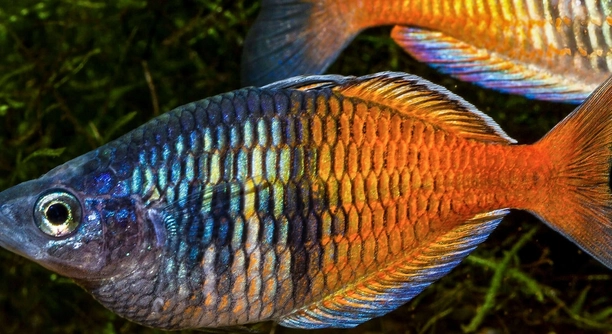
Moving an aquarium can have a big impact on the fish and their behavior. After the tank is relocated, it’s common to observe changes as they adjust to their new environment. These behaviors are typically temporary.
Fish may exhibit signs of stress, such as hiding, reduced activity, or altered eating habits after a tank move. These behaviors usually stem from changes in water conditions, lighting, and even the disruption of their familiar surroundings.
Some of these behaviors are common and resolve with time as the fish adapt. Understanding the causes behind them can help in supporting their transition and ensuring their well-being.
Common Post-Move Stress Symptoms in Fish
After relocating an aquarium, the fish may show signs of stress as they adjust to their new environment. These symptoms can include hiding, reduced activity, and slower eating. Stress can also cause fish to swim erratically or hover near the tank’s corners. It’s normal for them to feel disoriented initially, as they get used to changes like different water conditions, lighting, and tank arrangement.
While these signs are concerning, they are often temporary. It’s essential to ensure that the water temperature, pH level, and filtration system are all stable, as this helps reduce stress. Fish are sensitive to changes, and ensuring that the environment is as close to their previous setup can promote faster recovery. Also, avoid overfeeding as it can create water quality issues.
It’s important to monitor your fish closely for the first few days after the move. If the symptoms persist, adjusting the tank’s conditions or allowing more time for acclimation can make a significant difference. Ensuring the environment remains calm and stable will help the fish adjust more comfortably.
Tank Setup Adjustments for Fish Comfort
When moving your tank, maintaining the water quality is critical. Water parameters such as temperature and pH need to match the previous environment as closely as possible. Even small changes can have a big impact on how the fish react.
Rearranging decorations or hiding spots in the tank can make the fish feel less secure. Fish often rely on familiar structures to feel comfortable. Giving them hiding places or keeping decorations similar to their old setup will help them feel more at ease.
It’s also essential to check the water conditions regularly. A sudden change in the environment may lead to more stress, so using a high-quality water test kit can help track fluctuations in pH, ammonia, and nitrate levels.
Changes in Feeding Habits After a Tank Move
Fish may lose interest in food for a short period after a move. Stress, combined with environmental changes, can affect their appetite. This change is temporary, and most fish will resume normal feeding habits once they feel settled.
The loss of appetite can also be related to water conditions. High levels of ammonia or other toxins can deter fish from eating. It’s crucial to test the water regularly and perform water changes if necessary to keep the environment clean. Overfeeding should be avoided as it can further degrade water quality and lead to more stress.
Some fish may take longer to adjust, especially if the move was more disruptive. Offering food at regular intervals without overfeeding is important during this period. It’s also helpful to reduce the tank’s lighting for a few days to ease the fish’s transition.
Maintaining Tank Stability During the Transition
Maintaining a stable environment is essential for your fish to recover from the stress of a move. Fish are highly sensitive to even minor changes in temperature, water pH, and ammonia levels. The more consistent the water conditions, the quicker the fish will adapt.
Use a reliable aquarium heater to maintain a steady temperature and a quality filter to ensure clean water. It’s also a good idea to keep the aquarium lights dim for the first few days to help your fish feel more secure. Avoid sudden changes to the tank’s layout as this can disrupt their sense of territory.
Regular testing and water changes are key. Fish feel safest when their environment mirrors their previous one. Even small fluctuations in water conditions can cause prolonged stress. If changes occur, allow time for the fish to adjust before attempting further modifications.
Fish Hiding After a Tank Move
After a tank move, fish may spend more time hiding. This is a normal behavior as they adjust to the unfamiliar surroundings. The change in environment can cause them to seek out shelter for comfort and security.
Fish naturally look for hiding spots when stressed or feeling unsafe. Providing plenty of decorations like rocks or plants can help them feel more secure. If hiding persists for several days, it could indicate that they are still adjusting to the changes in their environment. It’s important to allow them time to regain their confidence.
Observing Water Quality During the Transition
Changes in water quality can contribute to fish stress after a move. Fish are highly sensitive to shifts in pH, ammonia levels, and temperature. Regular testing of water conditions is essential during this time.
Even small changes in the water can have a noticeable impact on fish behavior. It’s important to monitor and adjust the water parameters as needed. Performing partial water changes can also help maintain stable conditions. Keep the filtration system running smoothly to avoid any water issues that could cause additional stress.
Avoiding Overfeeding After a Tank Move
Overfeeding should be avoided after a move. Fish may not be as active or interested in eating, and extra food can pollute the water. Feeding small amounts will help prevent water quality issues and allow the fish to adjust gradually.
FAQ
Why are my fish hiding after the move?
Fish may hide after a move due to stress. The unfamiliar environment can make them feel insecure. It’s common for fish to seek shelter in decorations or plants as they adjust. Giving them time to settle and offering plenty of hiding spots can help them feel safer. Over time, as they adapt to the new environment, the hiding behavior should decrease.
How long will my fish be stressed after the move?
Stress levels typically last anywhere from a few days to a couple of weeks, depending on the fish. The amount of stress can vary based on how drastic the change is, such as water conditions, temperature, or tank placement. As long as the water quality is maintained and the environment is stable, the stress should subside with time.
Should I feed my fish during the adjustment period?
Yes, but with caution. Fish may not be as active or interested in food right after a move. Offer small amounts of food daily, but be careful not to overfeed. Overfeeding can lead to water quality issues, which would increase stress. Monitor their eating habits, and stop feeding if they’re not interested.
How can I ensure my fish adjust properly after the move?
Maintaining stable water conditions is key. Ensure the temperature, pH, and ammonia levels are appropriate for your fish species. Avoid making drastic changes to the tank layout. Provide hiding spots and reduce the lighting for a few days. Monitoring the fish closely during this time can also help you spot any potential issues early on.
Can I add new fish after moving the tank?
It’s best to avoid adding new fish right after moving the tank. The current fish are already adjusting to the change, and introducing new fish can add more stress to the environment. Wait until the existing fish seem comfortable and stable before adding new ones. This can take a few weeks.
Why has my fish’s color changed after the move?
Stress from moving can cause a temporary loss of color in some fish species. When fish are stressed, they may not display their normal vibrant colors. As they acclimate to the new environment and the stress reduces, their color should return to normal. Make sure the water quality is ideal to support their recovery.
Is it safe to turn off the filter during the tank move?
It’s generally not recommended to turn off the filter during a tank move, as the filtration system plays a vital role in maintaining water quality. If the filter needs to be turned off temporarily, ensure the water conditions are still monitored closely and perform water changes if necessary. Once the tank is set up in its new location, make sure the filter is running.
Should I change the water after moving the tank?
Changing the water after a move is not always necessary unless the water quality has been compromised. If the water conditions seem off or if the fish show signs of stress, performing a partial water change can help restore balance. Just make sure the new water matches the previous conditions in terms of temperature and pH.
How do I know if my fish are getting too much stress?
Signs of excessive stress include reduced activity, loss of appetite, erratic swimming, or fish hiding for prolonged periods. If the fish show these symptoms for more than a week, it could indicate that the tank setup or water quality needs adjusting. A check of the water parameters and an assessment of the tank’s environment may be necessary.
How can I help my fish adjust faster after the move?
The best way to help your fish adjust is by providing a stable, calm environment. Keep water quality optimal and avoid making any drastic changes to the tank for a while. Give the fish time and space to adjust. You can also reduce tank lighting for a few days to lower stress. Avoid any changes to their food routine until they seem more active.
What should I do if my fish are not eating after the move?
If your fish are not eating, monitor their behavior closely. Stress is usually the cause, and it may take time for them to feel comfortable enough to eat. Ensure the water quality is good and try offering different types of food. If they still refuse food after a week, you may want to consult a vet.
Can my fish get sick from the stress of the move?
Yes, stress can weaken a fish’s immune system, making them more susceptible to illness. Ensuring stable water conditions and minimizing further disruptions can help reduce the chances of sickness. Pay attention to any signs of illness, such as unusual swimming patterns or visible sores. If any symptoms arise, seek medical advice.
Should I turn off the lights for my fish after the move?
Turning off the lights for a few days can help reduce stress. Fish are often more sensitive to light during times of change. Dimming or turning off the lights allows them to feel more secure in their environment and can encourage them to come out of hiding. You can gradually reintroduce lighting once the fish seem more comfortable.
Final Thoughts
Moving a tank can be a stressful experience for both fish and their owners. It is common for fish to show signs of stress, such as hiding, loss of appetite, or changes in behavior. These reactions are usually temporary and should improve as the fish adjust to their new environment. It is important to remember that patience is key during this time. Providing a stable environment with optimal water quality is essential for helping your fish settle in comfortably.
The best way to support your fish through this transition is by maintaining a steady and clean environment. Regularly test the water for ammonia, pH levels, and temperature to ensure they remain stable. Fish are sensitive to any changes in water conditions, so maintaining consistency will help reduce stress. Additionally, providing plenty of hiding spots in the tank will give the fish a sense of security, allowing them to gradually adapt to their new surroundings. It’s important to avoid rushing the process and give your fish time to recover at their own pace.
While it may take some time for the fish to adjust fully, most will return to their normal behavior within a couple of weeks. Be mindful of any signs of stress or illness, as these may indicate that the water conditions need attention or that the fish need more time to settle. Moving a tank can be a lot of work, but by staying attentive to the needs of your fish and ensuring their environment is as stable as possible, you can help them recover quickly and thrive in their new home.

Hello,
If you enjoy the content that we create, please consider saying a "Thank You!" by leaving a tip.
Every little bit helps us continue crafting quality advice that supports the health, happiness, and well-being of pets around the world, for pets of all shapes, sizes, and species.
We really appreciate the kindness and support that you show us!