
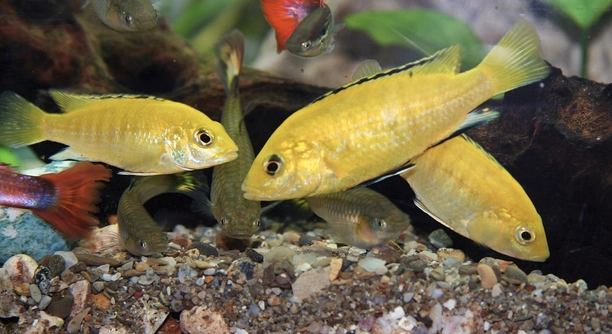
Have you ever noticed how cichlids act differently when the rainy season arrives? Their usual behaviors seem to shift, from feeding patterns to territorial habits, reflecting their adaptation to changing water conditions and environmental cues in their habitats.
Cichlids exhibit unique behaviors during rainy seasons, including increased breeding activity, heightened territoriality, altered feeding patterns, migration to flooded areas, nest building, changes in social interactions, and enhanced parental care, all of which are responses to environmental changes.
These behaviors reveal the adaptability and survival strategies of cichlids, showing how rainfall influences their daily routines and long-term reproductive success.
Increased Breeding Activity
During the rainy season, cichlids show a noticeable increase in breeding behaviors. Rising water levels and cooler temperatures create ideal conditions for reproduction. Many species lay eggs in newly flooded areas where food is abundant and predators are fewer. Males often become more colorful to attract females, while females display distinct behaviors to signal readiness. Courtship rituals intensify, with fish performing dances or circling each other to establish pair bonds. Some species form monogamous pairs, while others breed in colonies, each adapting to environmental changes. The seasonal shift ensures that offspring have access to optimal resources and shelter. Flooded areas provide protection for fry, reducing risks of predation and increasing survival rates. Breeding frequency also increases because the seasonal waters offer more space and nutrients, allowing multiple breeding events in a short period. Observing these behaviors highlights how sensitive cichlids are to environmental triggers and how essential rainfall is for their reproduction.
These breeding patterns ensure population stability and support species survival during changing environmental conditions.
Cichlids’ reproductive strategies are finely tuned to rainfall cycles. Males and females respond to water level changes, temperature shifts, and food availability. Spawning sites are carefully selected, often in areas with soft substrates or sheltered spaces. After fertilization, many species guard their eggs and fry, providing protection and guiding them to safer waters. This parental investment increases survival chances and strengthens social bonds within species.
Heightened Territoriality
Territorial behaviors intensify as cichlids compete for the best breeding and feeding spots during the rainy season.
The rise in water levels expands available space but also brings more competition. Fish establish and defend territories aggressively, using visual displays, fin flaring, and chasing intruders to maintain control. Dominant males occupy prime areas rich in resources, while subordinates navigate less favorable zones. Territorial boundaries are often marked with specific movements or substrate manipulation. These behaviors reduce conflicts over food and breeding sites, ensuring each fish can access sufficient resources. Aggression can increase during peak breeding periods, but it often stabilizes once pair bonds are formed. Observing these patterns demonstrates cichlids’ complex social hierarchy and their ability to adapt behaviorally to environmental changes.
Rainy season territoriality affects feeding, mating, and social dynamics. By controlling prime areas, dominant cichlids improve offspring survival, reduce competition, and maintain population balance, showing how environmental shifts shape behavior.
Altered Feeding Patterns
Cichlids change their feeding habits during the rainy season. They take advantage of new food sources brought by floods and adjust their hunting or grazing strategies accordingly.
Food becomes more abundant as insects, plant matter, and small aquatic creatures enter the flooded areas. Many species switch from their usual diet to consume what is most available, which can include small crustaceans or detritus. Fish often feed more actively in shallow areas created by rainfall, taking advantage of easy access. Some cichlids forage in groups, while others hunt individually, depending on their species’ social behavior. These adaptations ensure they maintain energy for breeding and territorial activities during this critical season. The change in feeding also affects growth rates and overall health, highlighting how environmental shifts directly influence daily survival strategies.
Feeding changes support breeding, territorial defense, and overall survival. The rainy season provides opportunities cichlids quickly adapt to, showing their flexibility and resilience in dynamic environments.
Migration to Flooded Areas
Cichlids move to newly flooded zones to access resources and breeding grounds. These migrations are triggered by rising water levels and environmental cues.
As rain increases water levels, cichlids relocate to areas that were previously dry. Flooded zones offer new shelters, abundant food, and safer conditions for eggs and fry. This movement can involve short local shifts or longer seasonal migrations, depending on species and habitat. Fish navigate using landmarks, currents, and social signals, often following other cichlids to optimal locations. Migration also reduces overcrowding in original territories and spreads populations across larger areas, promoting genetic diversity. Timing is crucial, as delays may lead to missed breeding opportunities or increased predation risks. Observing these migrations highlights how environmental changes directly influence cichlid behavior and distribution.
Migration ensures survival and reproductive success by providing access to optimal resources, safer breeding areas, and new feeding opportunities during the rainy season.
Nest Building
Cichlids focus on constructing nests during the rainy season to protect their eggs and fry. These structures are usually made in shallow, sheltered areas.
Nests vary by species, ranging from pits dug in soft substrates to carefully cleared rock or gravel areas. Nest building helps secure a safe environment for offspring, minimizing exposure to predators and strong currents. Both males and females participate in preparation, shaping the site and sometimes decorating it with small objects or plant matter. The process also reinforces pair bonds, as both parents coordinate defense and maintenance. Nest building is a critical adaptation that increases survival chances during the unpredictable conditions of the rainy season.
Changes in Social Interactions
Cichlids adjust their social behaviors to cope with crowded, flooded environments. Hierarchies become more apparent, and interactions shift between cooperation and competition.
During rainy season floods, social interactions intensify. Fish that normally keep distance may congregate in resource-rich areas, requiring negotiation of dominance and territory. Subordinate individuals may display submissive behaviors to avoid conflict, while dominant cichlids assert control through displays and aggression. Pair bonds and group structures are reinforced during this time, as cooperation can help defend nests, share food access, or reduce predation risk. These behavioral shifts highlight the flexibility and complexity of cichlid social organization, showing how environmental changes directly impact their interactions.
Enhanced Parental Care
Parental care increases during rainy seasons, with adults more actively guarding eggs and fry from threats.
Cichlids adjust feeding and movement to remain close to their young, often leading to more aggressive defense of their territory.
FAQ
What triggers cichlids to change behavior during the rainy season?
Cichlids respond primarily to environmental changes such as rising water levels, temperature fluctuations, and increased availability of food. Rainfall alters their habitats, creating new shelters, feeding zones, and breeding sites. These changes signal to the fish that it is time to breed, migrate, or adjust social behaviors. Seasonal floods provide safer spaces for eggs and fry, so cichlids instinctively modify their routines to maximize survival and reproductive success.
How do cichlids choose where to lay their eggs?
Egg-laying sites are carefully selected based on safety, shelter, and proximity to food. Many species prefer shallow, protected areas with minimal current, often using substrate, rocks, or plant matter to create nests. Selecting the right location reduces predation risk and increases the likelihood that fry will survive. Some species are highly selective, moving eggs if the environment changes or a better site becomes available. Nest choice also plays a role in mate selection and territorial defense.
Do all cichlid species behave the same during rains?
No, behaviors vary by species, habitat, and local conditions. Some cichlids migrate long distances to flooded areas, while others stay in smaller territories. Feeding habits, aggression levels, and parental care strategies differ widely. Environmental factors like water temperature, vegetation density, and predator presence influence how each species adapts. However, common patterns such as increased breeding, territoriality, and nest building are shared across many species.
Why does territoriality increase during the rainy season?
Territorial behavior intensifies because cichlids compete for the best breeding and feeding areas. Even though floods create new space, high resource availability attracts multiple individuals to the same spots. Fish assert dominance through displays, chasing, and fin flaring. Establishing control over territory ensures access to food, safe breeding sites, and protection for offspring. Strong territorial behavior also maintains social hierarchies and reduces constant conflict once boundaries are recognized.
How do cichlids adapt their feeding habits when water levels rise?
Feeding shifts to take advantage of abundant new resources. Insects, small crustaceans, plant matter, and detritus enter flooded zones, allowing cichlids to broaden their diet. Some species switch from bottom-feeding to surface or mid-water foraging. Group feeding is common in certain species, while others hunt individually. These adaptations ensure energy needs are met, supporting breeding, territorial defense, and survival under rapidly changing conditions.
What role does parental care play during the rainy season?
Parental care becomes more intensive. Adults guard eggs and fry closely, leading them to food, and defending them from predators. Both parents may participate in protection, depending on the species. This heightened care increases survival rates of young in dynamic and potentially hazardous environments created by flooding. Parental investment is crucial, as offspring require guidance and protection during early development.
Can cichlid behaviors during rainy seasons indicate the health of their habitat?
Yes, these behaviors can reflect environmental quality. Abnormal changes in breeding, feeding, or territorial activity may suggest pollution, water quality issues, or habitat disruption. Healthy, natural cycles of migration, nesting, and social interaction usually indicate a balanced ecosystem. Observing these behaviors helps monitor population dynamics and overall environmental conditions in freshwater habitats.
How long do rainy season behaviors last?
Behaviors typically align with the duration of increased rainfall and flooding, which can last weeks to months depending on the region. Breeding, feeding adjustments, and migrations often peak during this period and gradually return to baseline as water levels recede. Some parental care or territorial behaviors may continue briefly to ensure offspring survival. Seasonal cycles strongly influence these behavioral timelines.
Do cichlids show signs of stress during heavy rains?
While cichlids are adapted to rainy season changes, extreme fluctuations in water quality, temperature, or overcrowding can cause stress. Signs include erratic swimming, reduced feeding, or increased aggression. Proper habitat conditions allow them to adjust smoothly, but sudden or severe environmental changes may challenge their coping mechanisms. Observing natural behavior patterns helps distinguish normal seasonal adaptations from stress responses.
Are there ways to support cichlids in captive environments during simulated rainy seasons?
Yes, adjusting water levels, providing shelters, and introducing seasonal food variations can mimic natural conditions. Breeding sites, soft substrates, and hiding places help replicate flooding advantages. Careful monitoring of water quality, temperature, and group dynamics ensures cichlids display natural behaviors without undue stress. This approach promotes healthy reproduction, territorial activity, and overall well-being in captivity.
How do social hierarchies affect cichlid behavior in flooded areas?
Dominant individuals often secure prime territory and resources, while subordinates adapt by avoiding conflicts. Pair bonds and cooperative interactions are reinforced, helping protect nests and offspring. These hierarchies reduce continuous fighting, ensuring access to food and safe breeding spaces. Social dynamics are flexible, responding to population density, resource distribution, and environmental changes.
Do environmental changes during rainy seasons affect long-term cichlid behavior?
Yes, seasonal patterns influence growth, reproduction, and social structures. Repeated exposure to floods and increased resources can enhance survival skills, territorial strategies, and parental care. These adaptations accumulate over time, shaping species’ behavioral traits and helping populations thrive in variable freshwater habitats. Seasonal behavior is an essential part of cichlid ecology and evolution.
Cichlids display remarkable adaptability during the rainy season, adjusting their behaviors to cope with environmental changes. Their increased breeding activity, heightened territoriality, and altered feeding habits are all responses to rising water levels, new food sources, and shifting habitats. These seasonal changes are not random but are carefully timed and structured to ensure survival and reproductive success. Many species move to newly flooded areas where resources are abundant and predators are fewer, creating optimal conditions for spawning and raising fry. Nest building and enhanced parental care further increase the survival chances of offspring, demonstrating how environmental cues directly shape daily and seasonal routines. Observing these patterns provides insight into how sensitive freshwater species are to rainfall and flooding, and it shows the intricate ways fish interact with their habitats. Adaptations like these are critical for maintaining population balance and ensuring that cichlids thrive despite seasonal challenges.
The rainy season also brings changes in social interactions and territorial behavior. Cichlids compete for prime feeding and breeding areas, establishing hierarchies through displays, aggression, and pair bonding. Subordinate individuals adjust by avoiding conflict, while dominant fish maintain control of valuable territory. Feeding patterns shift to take advantage of new resources, including insects, crustaceans, and plant matter brought by rising waters. These behaviors support both individual survival and the overall stability of cichlid populations. Migration to flooded areas, combined with flexible social strategies, allows cichlids to access resources efficiently while reducing unnecessary conflicts. Territoriality, parental care, and cooperative behaviors all work together to ensure that offspring are protected, food is secured, and social structures remain balanced during this season. The ability of cichlids to adjust to such conditions highlights their resilience and the sophistication of their behavioral strategies.
Understanding these seasonal behaviors can also inform care in captivity and conservation efforts in the wild. Providing environments that mimic rainy season conditions, such as adjustable water levels, shelters, and seasonal feeding variations, allows cichlids to express natural behaviors even in aquariums. In the wild, monitoring changes in breeding, territoriality, and social interactions can serve as indicators of habitat health and environmental stability. By studying how cichlids respond to rainfall and flooding, we gain a deeper appreciation for their adaptability and the complexity of freshwater ecosystems. These behaviors are essential not only for their survival but also for maintaining ecological balance, as cichlids play important roles in food webs, nutrient cycling, and species interactions. Observing and supporting these behaviors, whether in natural habitats or managed environments, ensures that cichlids continue to thrive and fulfill their ecological roles. Recognizing the impact of rainy season changes allows us to better understand freshwater species’ needs and the delicate balance within aquatic ecosystems.

Hello,
If you enjoy the content that we create, please consider saying a "Thank You!" by leaving a tip.
Every little bit helps us continue crafting quality advice that supports the health, happiness, and well-being of pets around the world, for pets of all shapes, sizes, and species.
We really appreciate the kindness and support that you show us!