
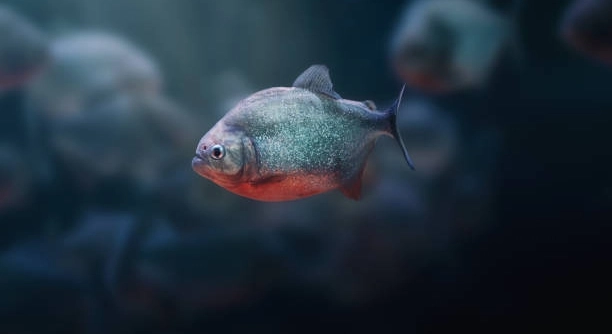
Many fish owners enjoy watching their tanks, but sometimes fish lose interest and become bored. Recognizing signs of boredom is important to keep your aquarium lively and healthy. Understanding these behaviors helps improve your fish’s environment and well-being.
Tank boredom is shown through behaviors like reduced activity, loss of appetite, repetitive swimming patterns, hiding more often, color fading, lack of interaction, and increased aggression. These signals indicate that fish need stimulation or changes in their habitat to thrive.
Knowing these behaviors can help you create a better environment for your fish, making your tank a more engaging and enjoyable space.
Reduced Activity and Lethargy
When fish become bored, one of the first signs is a noticeable drop in their activity level. You might see them resting at the bottom of the tank more often or simply floating in one spot without much movement. This lethargy can happen because they have little to explore or interact with in their environment. Without stimulation, their natural curiosity fades, and they lose interest in swimming around. Over time, this lack of exercise can affect their health, leading to weaker muscles and slower responses. It’s important to observe these changes early, as boredom can sometimes be mistaken for illness. Adding plants, decorations, or rearranging the tank can encourage your fish to swim more and stay active.
Reduced activity often signals that something in the tank needs to change. Addressing this can improve your fish’s mood and physical health quickly.
To keep your fish active, try rotating decorations or introducing new hiding spots. This simple change refreshes their environment and encourages exploration. Sometimes, rearranging the tank layout or adding new plants gives them a new space to discover. Interactive toys made for aquariums can also stimulate movement. Watching your fish regain energy and swim around more is very rewarding and proves how much their environment impacts their well-being. Regularly checking on their behavior helps prevent boredom before it becomes a serious problem.
Repetitive Swimming Patterns
Fish that swim in circles or back and forth repeatedly are often showing boredom. This repetitive behavior can indicate they have nothing new to explore or do.
Loss of Appetite
Loss of appetite is a clear sign that your fish may be bored or stressed. When fish stop eating or show less interest in food, it affects their health quickly.
Bored fish often become less motivated to eat because their environment lacks stimulation. This can lead to weight loss and weakened immune systems. Sometimes, fish refuse food because they are lonely or not challenged enough. Changing tank decorations, adding plants, or providing variety in feeding times and types can help reignite their interest. Feeding smaller amounts more frequently encourages natural foraging behavior, making meals more engaging.
Keeping fish mentally active through environmental changes can restore healthy eating habits. Watching their appetite return is a good sign that boredom is fading and their well-being is improving.
Increased Hiding
Fish that suddenly spend more time hiding may be experiencing boredom or stress. This behavior often means they feel unsafe or unstimulated.
Hiding too much can be a way for fish to avoid an empty, dull environment. Without enough places to explore or interact, they retreat to familiar spots and stay out of sight. Adding caves, plants, or decorations provides secure hiding spaces that feel natural. However, if hiding becomes excessive, it might be a sign of deeper issues, such as illness or aggression from tank mates. Monitoring your fish’s overall behavior and tank conditions helps determine if hiding is due to boredom or another cause. Making gradual changes to their habitat can encourage them to come out more often and engage with their surroundings.
Color Fading
Color fading in fish can be a sign of boredom or poor health. When fish lose their bright colors, it often means their environment isn’t stimulating enough.
Lack of proper lighting, stress, or boredom can dull their natural colors. Improving tank conditions and adding enrichment can help bring their colors back.
Lack of Interaction
Fish that ignore their surroundings or other tank mates may be bored. Interaction is a key part of their mental health and well-being.
Providing more stimulation through tank mates, plants, or toys encourages social behaviors and keeps fish engaged and alert.
Increased Aggression
When fish become aggressive more often, boredom could be the cause. Lack of mental stimulation can lead to frustration and fighting.
How can I tell if my fish are bored or sick?
Boredom and illness can sometimes look similar in fish, but there are key differences. Bored fish usually show behaviors like reduced activity, repetitive swimming, or hiding without other symptoms. Sick fish often have physical signs such as clamped fins, spots, discoloration, or labored breathing. If your fish lose appetite but remain active and healthy-looking, boredom might be the cause. However, if you notice unusual marks, swelling, or rapid gill movement, illness is more likely. Observing how long the behavior lasts and any physical changes helps determine the cause. Testing water quality and consulting a vet or aquarium expert can also clarify the problem.
What are easy ways to reduce fish boredom?
Simple changes can make a big difference for bored fish. Rearranging tank decorations and adding plants creates a fresh environment that encourages exploration. Introducing new hiding spots or caves gives fish places to discover. Varying feeding routines by offering different types of food or using feeding toys stimulates natural hunting and foraging behavior. Also, adding compatible tank mates promotes social interaction, reducing boredom for many species. Even changing light cycles or adjusting tank temperature slightly within safe limits can spark activity. Regularly monitoring your fish’s behavior after these changes helps you find what works best for them.
Can fish get bored if they have tank mates?
Yes, fish can still get bored even when they have tank mates. Some fish prefer solitary environments and may feel stressed or bored if there’s not enough space or hiding places. Others might get bored if the tank mates are not interactive or if the group is too small. Social species often need enough companions to engage in natural behaviors like schooling or chasing. Without enough stimulation from tank mates or the environment, fish can develop boredom signs like lethargy or aggression. Providing a balanced group size and enough enrichment helps keep social fish active and mentally healthy.
How often should I change my aquarium setup to prevent boredom?
There’s no strict schedule for changing an aquarium setup, but minor adjustments every few weeks can keep the environment stimulating. Small rearrangements of plants, rocks, or decorations help fish explore new layouts without causing too much stress. Avoid drastic changes all at once, as this can confuse or scare fish. Rotating decorations or adding new elements slowly gives fish time to adjust. Monitoring fish behavior after changes is important to ensure they respond positively. Seasonal changes, such as adjusting lighting or temperature slightly, can also help mimic natural cycles and reduce boredom.
Is tank size important for preventing boredom?
Tank size plays a big role in preventing boredom. Smaller tanks limit swimming space and opportunities for exploration, which can lead to restless or lethargic fish. Larger tanks allow more natural behaviors, such as exploring, hiding, and interacting with tank mates. However, even a big tank can cause boredom if it lacks decorations, plants, or enrichment. It’s important to provide a stimulating environment regardless of tank size. Matching tank size to the species’ needs and behavior helps maintain their mental and physical health.
What types of enrichment are best for aquarium fish?
The best enrichment depends on the fish species. Live plants are great because they offer hiding spots and natural textures to explore. Adding rocks, caves, or driftwood can create varied terrain and secure spots for shy fish. Feeding enrichment, like using floating or sinking foods, feeding puzzles, or live food, encourages natural foraging. Light variations that mimic dawn and dusk cycles also stimulate activity. Some fish enjoy gentle water currents or bubbles from an air stone. Always research species-specific needs to avoid stress or aggression when adding enrichment.
Can boredom affect fish health long-term?
Yes, boredom can negatively affect fish health over time. Lack of stimulation often leads to stress, which weakens the immune system and makes fish more prone to diseases. Bored fish may lose appetite, become lethargic, or develop repetitive behaviors that signal poor mental health. Stress from boredom can also increase aggression or cause fish to hide excessively, limiting exercise and social interaction. Maintaining an engaging environment supports both mental and physical well-being, reducing risks of illness and improving lifespan.
What should I do if my fish start showing aggressive behavior?
If fish show increased aggression, first check the tank environment. Overcrowding, lack of hiding spots, or poor water quality can trigger fights. Rearranging the tank or adding more plants and caves can reduce territorial disputes. Sometimes separating aggressive fish or increasing tank size is necessary. Consider if the species are compatible or if some fish are naturally more territorial. Monitoring feeding routines also helps, as hungry fish tend to be more aggressive. Reducing stressors and improving enrichment often calms aggressive behavior. If aggression persists, consulting an expert can help find specific solutions.
When it comes to keeping fish happy and healthy, understanding their behavior is very important. Fish can get bored just like other pets, and this boredom can show in different ways. Signs like reduced activity, hiding, loss of appetite, or repetitive swimming patterns should not be ignored. These behaviors mean that the fish need more stimulation or changes in their environment. Paying attention to these signals early can help prevent problems and keep your aquarium a lively place. A well-maintained tank with proper care helps fish stay active and healthy over time.
Creating a stimulating environment for fish does not have to be complicated. Simple steps like adding new decorations, rearranging plants, or introducing different types of food can make a big difference. It is important to provide places for fish to hide and explore, as well as opportunities for social interaction if the species enjoy it. Regular changes, even small ones, keep the environment interesting and encourage natural behavior. When fish feel comfortable and engaged, they are less likely to develop health issues or become stressed.
Overall, keeping fish from getting bored requires observation, patience, and effort. Each fish species may have different needs, so learning about the types of fish you have is helpful. By watching your fish closely and making thoughtful adjustments, you create a better habitat that supports their well-being. Boredom is avoidable with proper care and attention, which leads to a more enjoyable and rewarding experience for both the fish and the owner. Maintaining a balanced and engaging aquarium is the key to happy, healthy fish.

Hello,
If you enjoy the content that we create, please consider saying a "Thank You!" by leaving a tip.
Every little bit helps us continue crafting quality advice that supports the health, happiness, and well-being of pets around the world, for pets of all shapes, sizes, and species.
We really appreciate the kindness and support that you show us!