
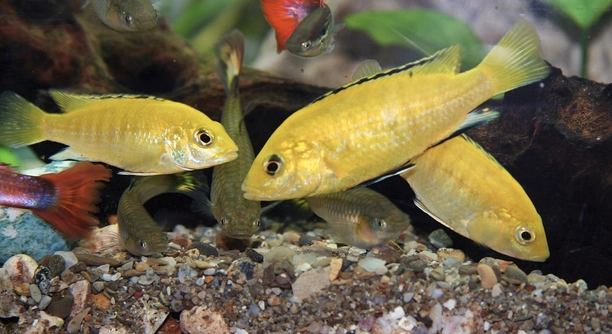
Maintaining a peaceful cichlid tank can be a rewarding experience for any aquarium enthusiast. Observing their daily interactions offers insight into the community’s stability. Recognizing certain behaviors early helps prevent conflicts and ensures harmony among the fish.
Cichlids exhibit several behaviors that indicate a balanced community, including consistent schooling patterns, minimal chasing or aggression, shared feeding without stress, clear territorial boundaries, calm swimming, mutual grooming tendencies, and predictable social hierarchies that reduce conflict and promote overall group stability.
Noticing these subtle cues allows you to foster a healthier, more harmonious environment for your cichlids over time.
Calm and Predictable Swimming Patterns
Observing how cichlids swim can tell you a lot about the tank’s atmosphere. Peaceful cichlids move steadily and calmly, maintaining a rhythm without sudden bursts of aggression. They explore the tank without harassing others or darting erratically. When fish swim predictably, it shows they feel secure in their environment. Sudden chasing, rapid zig-zag movements, or repeated confrontations often signal stress or tension. Creating a layout with hiding spots and clear territory boundaries helps reduce these conflicts. Decorations like rocks, plants, and caves allow each fish to establish its own area, preventing overcrowding. Feeding routines also influence swimming behavior, as predictable feeding times reduce competition and anxiety. Calm swimming patterns often correlate with proper water conditions, including temperature, pH, and filtration. A well-maintained environment fosters confidence, encouraging fish to engage in natural behaviors. Over time, steady movement and mutual respect among fish create a visibly harmonious tank.
Predictable swimming is an immediate indicator of comfort. Observing their patterns can quickly show if adjustments are needed.
Tracking swimming behavior daily helps maintain balance. Minor changes, like rearranging decorations or adjusting feeding schedules, can prevent escalation of stress. Regular observation ensures each fish remains calm and content.
Shared Feeding and Minimal Aggression
Peaceful cichlids can feed together without conflict. Observing fish eat side by side without chasing or snapping indicates strong social stability.
Cichlids that share food freely display trust and hierarchy awareness. Minimal aggression during feeding is a sign of a balanced community and reduced stress levels among the group.
Feeding time can be stressful in crowded tanks if territories overlap. In a peaceful setup, each fish has enough space and food, reducing competition. Offering a mix of sinking and floating foods ensures all cichlids can access nourishment without confrontation. Watching their interactions during feeding provides insight into social hierarchies, dominance, and submission behaviors. Over time, calm feeding behavior reinforces group cohesion, helping avoid injuries and stress-related illnesses. Proper observation of these interactions allows timely interventions if a fish becomes overly aggressive or underfed. With consistent routines, cichlids learn to respect each other’s space, contributing to a healthy and harmonious community.
Clear Territorial Boundaries
Cichlids maintain distinct territories without constant fighting. Each fish knows its space, and conflicts are rare.
Clear boundaries prevent stress and aggression. Rocks, plants, and hiding spots allow each cichlid to claim an area. When these territories are respected, fish interact calmly. Overlapping spaces can lead to chasing, but a structured tank layout minimizes these issues and promotes stability. Observing fish patrol their zones without hostility indicates a peaceful environment. Adjusting decorations or adding partitions can help overly dominant fish avoid encroaching on others. Over time, cichlids recognize each other’s limits, reducing tension. Consistent monitoring ensures the tank remains balanced and secure for all fish, fostering natural behavior and comfort within their habitats.
Providing adequate territory is essential for a peaceful community. Fish need space to establish dominance without escalating conflict.
Maintaining boundaries also supports breeding behaviors, as pairs require privacy. When each fish has a defined zone, stress levels drop, health improves, and the community thrives.
Mutual Grooming and Social Interaction
Cichlids engage in mutual grooming without aggression. This behavior strengthens social bonds and indicates trust among the group.
Mutual grooming shows respect and cooperation. Fish that allow others to swim nearby or clean their scales without reacting aggressively display strong social cohesion. Observing these interactions can help identify compatible species and monitor any potential conflicts. Over time, peaceful grooming reduces stress and encourages positive behavior. Socially interactive cichlids often appear more vibrant and active. Recognizing and fostering this behavior is key to maintaining a harmonious tank environment, as it reflects comfort, confidence, and stability within the community.
Regular observation of social grooming ensures each fish remains included and confident. Encouraging these interactions can prevent isolation and dominance disputes. Providing ample hiding spots allows fish to engage voluntarily, reinforcing mutual trust.
Minimal Chasing and Aggression
Peaceful cichlids rarely chase each other. Minor disputes are brief and do not escalate into constant fighting.
Observing low aggression levels shows the tank is stable. Fish respect each other’s space, and dominance is established without prolonged conflict.
Consistent Social Hierarchies
Cichlids develop clear social hierarchies that reduce stress and prevent repeated confrontations. Dominant and subordinate roles are recognized quickly, allowing fish to coexist peacefully. A structured hierarchy minimizes unnecessary aggression, as each fish understands its position. Clear roles promote calm interactions during feeding, swimming, and resting. When hierarchies are stable, even territorial species can live together harmoniously. Observing behavior over time helps identify if adjustments are needed to prevent disputes. Providing hiding places, visual barriers, and proper spacing ensures all fish can maintain their rank without causing stress to others. Stable hierarchies encourage natural behavior and support overall health.
Calm Resting Behavior
Cichlids rest quietly in preferred areas without disturbing others.
FAQ
How can I tell if my cichlid community is peaceful?
A peaceful cichlid tank shows minimal aggression, calm swimming, and clear territorial boundaries. Fish share food without constant chasing and exhibit mutual grooming behaviors. Dominant and subordinate roles are recognized quickly, reducing repeated conflicts. Observing these signs over time allows you to confirm a balanced, harmonious environment.
Why is consistent swimming behavior important?
Cichlids that swim calmly and predictably are more relaxed. Erratic movements or frequent chasing indicate stress or overcrowding. Consistent swimming reflects comfort in their territory, proper water conditions, and stable social hierarchies. It also allows fish to explore and feed without conflict, which supports their overall health and activity levels.
What role do feeding routines play in peacekeeping?
Structured feeding schedules reduce competition and aggression. Providing enough space and a variety of food types ensures all fish eat comfortably. When cichlids can feed side by side without stress, it reflects established social order and strong community stability. Regular observation helps prevent dominant fish from monopolizing food.
How do territorial boundaries affect community harmony?
Clear territories prevent constant chasing and fights. Rocks, plants, and hiding spots allow each cichlid to claim an area without encroaching on others. When boundaries are respected, stress decreases, and natural behavior emerges. Overlapping territories often trigger conflict, so careful tank arrangement is essential to maintain peace.
Why is mutual grooming significant?
Mutual grooming demonstrates trust and social cohesion. Fish that tolerate nearby companions or allow others to interact closely without aggression show a stable hierarchy. This behavior strengthens bonds, reduces stress, and encourages a cooperative environment, which supports both individual well-being and overall community stability.
What should I watch for during aggressive incidents?
Minor disputes are normal, but prolonged chasing, fin nipping, or repeated attacks signal imbalance. Intervene by adjusting tank layout, adding hiding spots, or temporarily separating overly aggressive fish. Monitoring behavior regularly ensures early intervention before stress or injury occurs.
How do social hierarchies contribute to a peaceful tank?
Stable hierarchies minimize unnecessary conflict. Dominant and subordinate roles are quickly recognized, allowing coexistence even among territorial species. Fish know their position, reducing repeated fights. Providing visual barriers and enough space supports these roles, fostering calm interactions during swimming, feeding, and resting periods.
Can tank decorations influence behavior?
Yes, decorations like rocks, caves, and plants help define territories and reduce stress. They offer hiding spots, break lines of sight, and allow fish to retreat when needed. Proper placement encourages natural behaviors, minimizes aggression, and supports a balanced social environment.
How often should I observe my cichlids?
Daily observation is ideal. Watching swimming patterns, feeding behavior, territorial interactions, and social grooming helps detect early signs of stress or aggression. Regular monitoring ensures timely adjustments to maintain peace and overall health.
What signs indicate a need for intervention?
Excessive chasing, injuries, fin damage, or persistent hiding suggest problems. Unequal access to food or dominant fish preventing others from claiming territory also requires action. Adjusting tank layout, adding barriers, or separating aggressive individuals can restore balance and prevent long-term stress.
How do resting behaviors reflect peace?
Cichlids that rest calmly in preferred areas without disturbing others show comfort and security. Peaceful tanks allow fish to relax, which supports growth, immunity, and social stability. Observing rest habits is as important as watching feeding or swimming patterns for assessing overall harmony.
Can mixed-species tanks remain peaceful?
Yes, if species have compatible temperaments, similar sizes, and non-overlapping territories. Proper space, hiding spots, and careful observation are critical. Monitoring social dynamics and adjusting conditions as needed allows diverse cichlids to coexist without significant stress or aggression.
How do water conditions impact behavior?
Stable water temperature, pH, and cleanliness reduce stress and aggression. Poor water quality can trigger erratic swimming, chasing, or hiding. Maintaining optimal conditions ensures fish feel secure, enhancing peaceful interactions and promoting natural behaviors.
What is the most important factor for a harmonious cichlid community?
Balanced social structure, clear territories, consistent feeding, calm swimming, and mutual grooming are key. Observation and adjustments based on behavior help maintain a peaceful, healthy environment for all cichlids in the tank.
Maintaining a peaceful cichlid community takes careful observation and consistent effort. Paying attention to daily behaviors such as swimming patterns, feeding habits, and social interactions provides clear insight into the overall harmony of the tank. Calm and steady swimming indicates that fish feel secure, while erratic movements or repeated chasing can signal stress or conflict. Feeding sessions are also an important indicator. When cichlids share food without aggression, it demonstrates that social hierarchies are respected and that the environment supports fairness and comfort. Providing multiple feeding areas, along with a mix of sinking and floating foods, allows all fish to access nourishment without conflict. Over time, monitoring these patterns helps ensure that minor disputes do not escalate and that the community remains balanced.
Territorial boundaries play a crucial role in maintaining peace. Each cichlid needs a clearly defined space that it can claim without being constantly challenged by others. Rocks, caves, and plants serve as natural dividers and allow fish to feel secure in their own area. Mutual grooming and other forms of social interaction also contribute to a calm environment. Fish that tolerate the presence of others and engage in cooperative behaviors display trust and confidence in the community. When territories are respected and social hierarchies are stable, aggression is minimal and fish coexist with less stress. Even small adjustments, such as rearranging decorations or adding visual barriers, can help prevent conflicts and ensure that all members of the tank can establish a comfortable space.
Water quality and tank layout further influence a harmonious cichlid community. Stable temperature, pH levels, and proper filtration reduce stress and promote natural behaviors. A well-maintained environment supports healthy interactions, while poor conditions can trigger aggression, hiding, or erratic swimming. Observing resting habits, social grooming, and feeding behaviors together provides a complete picture of the tank’s stability. With consistent attention, proper setup, and regular adjustments based on observed behavior, cichlids can thrive in a peaceful, balanced environment. Creating and maintaining such a community requires patience, but the result is a tank where fish coexist naturally, interact positively, and display their full range of behaviors without stress.

Hello,
If you enjoy the content that we create, please consider saying a "Thank You!" by leaving a tip.
Every little bit helps us continue crafting quality advice that supports the health, happiness, and well-being of pets around the world, for pets of all shapes, sizes, and species.
We really appreciate the kindness and support that you show us!