
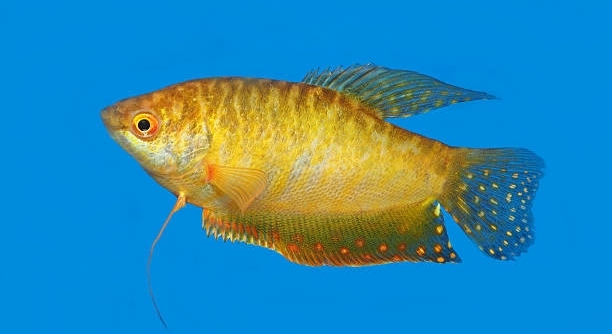
Are your new gouramis exploring their tank but not yet acting confident? Adjusting to a new environment can take time, and their early behaviors often show subtle signs of comfort and adaptation. Observing them closely helps you understand their progress.
Gouramis exhibit specific behaviors when settling into a new environment. These include exploring their surroundings, establishing territories, interacting calmly with tank mates, adjusting feeding patterns, and showing reduced signs of stress or aggression. Monitoring these behaviors indicates successful acclimation.
Recognizing these patterns will make it easier to ensure your gourami’s smooth transition and long-term well-being in their aquatic home.
Exploring the Tank
When your gourami first enters the tank, it will often spend time cautiously swimming around and examining its new surroundings. This behavior shows it is becoming familiar with the layout, hiding spots, and any decorations or plants. You may notice it pausing frequently or lingering near objects, which is normal. Gouramis are naturally curious but cautious, so their slow exploration is a sign they are adjusting. Over time, they begin to swim more confidently across open areas, gradually expanding the zones they feel comfortable in. Tank setup affects this behavior; providing ample hiding spaces and gentle water flow encourages them to explore without stress. Observing these movements helps gauge comfort levels and ensures they are not overwhelmed by sudden changes or aggressive tank mates. Patience is key, as this process may take several days or weeks, depending on the fish’s personality and previous experiences in captivity. Consistent care helps reinforce their sense of security.
Watching your gourami navigate its tank calmly indicates it is gaining confidence and adapting well.
Exploration also impacts feeding and social interactions. A gourami that knows its space will approach food more readily and interact with other tank mates with less hesitation. Gradual familiarity reduces stress-related behaviors, like hiding constantly or flaring at companions. Maintaining stable water conditions and avoiding abrupt changes supports continued confidence. Over time, this exploration becomes more active and natural, showing that your gourami is comfortable in its environment.
Feeding Patterns
Your gourami’s eating habits can reveal how settled it is.
Settled gouramis often eat consistently at predictable times and show interest in offered food. At first, they may hesitate or nibble slowly as they get used to the feeding routine. Some gouramis prefer feeding near hiding spots until they feel secure. Offering small portions multiple times a day can encourage confident feeding and reduce competition stress with tank mates. Observing their preferences, such as flake, pellet, or live food, allows you to tailor meals and reinforce positive behaviors. Changes in appetite, either loss or excessive greed, can indicate stress or discomfort. Regular observation helps identify these subtle signs. Establishing a stable feeding pattern supports overall health, enhances coloration, and builds trust in their environment. Consistency in timing, type, and location of food plays a major role in helping your gourami feel safe and well-adjusted in the tank over time.
Interacting with Tank Mates
Calm interactions with other fish are a strong sign your gourami is settling in. It may swim alongside companions without flaring or chasing, showing that it recognizes its place in the social hierarchy.
Settled gouramis gradually display more relaxed behavior around tank mates. Initially, they may keep to themselves or react defensively, but as confidence grows, they begin swimming in shared spaces without aggression. Mutual tolerance and occasional gentle displays are normal, reflecting healthy social adjustment. Close observation ensures that no bullying occurs, and balanced tank populations promote harmony. Over time, these interactions become routine, with each fish respecting personal boundaries while maintaining awareness of others.
Interactions also influence feeding and activity levels. Gouramis that are comfortable with companions feed without hesitation and participate in normal swimming routines. Stress-related behaviors, such as hiding or constant chasing, diminish. Consistent monitoring of these social behaviors helps maintain a stable and peaceful tank environment, fostering both physical health and mental comfort for all aquatic inhabitants.
Bubble Nesting
Bubble nests indicate that a male gourami feels secure in its environment.
Male gouramis begin constructing bubble nests when they are comfortable and unstressed. The presence of a nest reflects readiness for breeding and shows that the tank conditions support normal behavior. Bubble nests vary in size and location, often near floating plants or tank edges.
The construction process itself is revealing. A confident gourami will gather air bubbles coated in saliva and attach them to a surface, creating a floating cluster. This behavior demonstrates not only physical health but also mental ease, as stressed or unsettled gouramis rarely engage in nesting. Proper water quality, temperature, and low disturbance encourage this natural instinct. Over time, observing bubble nest activity allows you to gauge how well your gourami is adapting to the environment. Regular monitoring ensures that any changes in nesting behavior, such as reduced activity or incomplete nests, can be addressed promptly, supporting both comfort and overall well-being.
Reduced Hiding
A gourami that hides less often shows it is feeling secure in its tank. It will explore open areas and rest in visible spots without showing fear or stress signals.
Gradual reduction in hiding indicates that your gourami trusts its environment. Frequent hiding at first is normal, but as days pass, more active swimming and surface exploration demonstrate comfort. Consistent tank conditions and gentle interactions encourage this behavior, helping your fish feel confident and at ease throughout the tank.
Active Swimming
Settled gouramis swim steadily across the tank, exploring different levels and moving confidently around obstacles. They show controlled, deliberate movements rather than rapid or erratic swimming caused by stress or fear. Active swimming reflects proper acclimation to water conditions, temperature, and tank companions, and indicates overall well-being.
Adjusted Breathing
Normal, steady gill movement shows that your gourami has acclimated to water conditions and feels secure in its environment.
How long does it take for a gourami to settle in?
Most gouramis begin showing signs of comfort within a few days, but full acclimation can take one to three weeks. Factors such as tank size, water quality, temperature, and the presence of other fish all influence the speed of adjustment. Observing daily behaviors like swimming patterns, feeding, and hiding frequency provides a clear picture of progress. Some gouramis are naturally more cautious, requiring patience and consistent care to feel secure. Avoid sudden changes in lighting, water, or decorations during this period, as these can trigger stress and delay settling. Gradual interaction and a stable environment help them adapt more smoothly.
Why is my gourami hiding all the time?
Persistent hiding usually indicates stress, fear, or discomfort. Common causes include new tank conditions, aggressive tank mates, or sudden environmental changes. Young or newly introduced gouramis are naturally cautious and may retreat for several days before exploring. Ensuring proper water parameters, providing hiding spots, and limiting disturbances encourage more confident behavior. Observe for any signs of illness or parasites, as health issues can also lead to extended hiding. Gradually interacting with your gourami during feeding times can help build trust, reducing fear over time. Consistency and patience are essential for encouraging a shy gourami to emerge.
How can I tell if my gourami is healthy and settled?
A healthy, settled gourami shows steady swimming, normal breathing, and regular feeding patterns. Calm interactions with tank mates, minimal hiding, and active exploration are positive indicators. Bright, consistent coloration and clear eyes also reflect good health. Behavioral cues, such as constructing bubble nests for males or calmly investigating new objects, indicate both comfort and environmental satisfaction. Watch for sudden changes in appetite, erratic swimming, or prolonged hiding, which may signal stress or illness. Maintaining consistent water conditions, a balanced diet, and observing social interactions help ensure that your gourami remains healthy while feeling secure in its surroundings.
What should I do if my gourami is not eating?
Temporary loss of appetite is common during acclimation, but persistent refusal to eat may indicate stress or health issues. Check water parameters, temperature, and tank conditions first. Offer a variety of foods, including flakes, pellets, or small live foods, to encourage feeding. Feeding in small portions at regular times can reduce competition stress with tank mates. Observe your gourami’s behavior for other signs of illness, such as lethargy, clamped fins, or discoloration. If appetite does not improve after several days, consult a professional or aquarium specialist. Consistency in feeding routines helps gouramis regain confidence and eating habits.
Can gouramis coexist with other fish while settling in?
Yes, but careful selection is crucial. Peaceful tank mates with similar water requirements reduce stress. Aggressive or overly active species can intimidate new gouramis, leading to hiding or aggression. Observe interactions closely during the first few weeks, ensuring that the gourami has access to hiding spots and open swimming areas. Gradual introduction of new tank mates, rather than sudden changes, helps maintain harmony. Consistent feeding routines and monitoring for bullying or chasing allow your gourami to settle without conflict. A well-planned community tank promotes social comfort and reduces stress-related behaviors, supporting long-term adaptation.
How do I encourage my gourami to explore the tank?
Provide a balanced environment with hiding spots, plants, and open swimming areas. Avoid sudden disturbances and maintain stable water conditions. Gentle movement during feeding times can encourage cautious gouramis to venture out. Over time, consistent exposure to tank features builds familiarity and confidence. Offering enrichment, such as floating plants or gentle water flow, stimulates natural curiosity. Gradual exposure to different parts of the tank allows the gourami to expand its territory safely. Monitoring for signs of stress or hesitation ensures that exploration remains positive. Patience and consistency are key to fostering confident and active behavior.
Is bubble nesting a reliable sign my gourami is comfortable?
Yes, bubble nesting usually indicates a male gourami is relaxed and healthy. This behavior reflects comfort with water quality, temperature, and overall tank conditions. Absence of nesting does not necessarily indicate a problem, as some males take longer to exhibit this behavior. Supporting proper nutrition, consistent care, and a low-stress environment encourages natural instincts like bubble nest building. Observing nest construction over time can help you gauge adaptation and confidence. Providing floating plants or calm water areas facilitates nesting activity. Regular monitoring ensures your gourami remains comfortable and healthy while exhibiting natural behaviors.
What signs suggest my gourami is stressed during settling in?
Common stress indicators include rapid breathing, clamped fins, erratic swimming, hiding, loss of appetite, or aggression toward tank mates. Changes in coloration or visible signs of disease may accompany these behaviors. Identifying the cause is critical, whether it is water quality, tank size, aggressive companions, or environmental disturbances. Immediate adjustments, such as improving water parameters, adding hiding spots, or separating aggressive fish, help reduce stress. Regular observation allows early detection of problems before they impact health. Consistent care, stable conditions, and attention to subtle behavioral changes ensure your gourami transitions smoothly and maintains well-being.
How can I maintain a settled gourami long-term?
Consistency is essential for ongoing comfort. Maintain stable water parameters, regular feeding schedules, and low-stress tank conditions. Periodic observation of swimming, feeding, and social interactions ensures early detection of issues. Enriching the tank with plants, hiding spots, and moderate water flow keeps your gourami active and engaged. Avoid sudden changes in tank setup or introducing aggressive species without careful planning. Address health concerns promptly, providing balanced nutrition and monitoring for behavioral changes. Over time, a predictable, secure environment supports both physical health and confidence, allowing your gourami to thrive comfortably in its aquatic home.
Observing your gourami closely during the first few weeks in a new tank is essential for understanding its behavior and comfort level. These fish show subtle signs when they are settling in, including exploring the tank, reducing hiding, eating consistently, and interacting calmly with other fish. Each behavior reflects a different aspect of their adaptation, from physical health to mental comfort. Providing a stable environment with proper water conditions, gentle filtration, and safe hiding spaces supports these positive behaviors. Consistency in temperature, feeding routines, and minimal sudden changes allows your gourami to adjust gradually, reducing stress and promoting a sense of security in its new surroundings. By recognizing these behaviors early, you can make small adjustments to the tank setup or care routine to enhance your gourami’s well-being and prevent problems before they become serious.
Long-term observation also helps maintain a healthy and balanced tank environment. When gouramis are confident and relaxed, they are more likely to swim actively, feed well, and engage in natural behaviors such as bubble nesting for males. These signs indicate that the water quality, tank size, and social interactions are all suitable. If a gourami is frequently hiding, not eating, or showing signs of stress, these behaviors can signal that adjustments are needed. Attention to diet, tank companions, and environmental enrichment, such as plants and open swimming areas, ensures that they continue to thrive. Small, consistent actions over time, like checking water parameters and monitoring social behavior, make a significant difference in helping your gourami feel secure and comfortable in its home.
Understanding your gourami’s behaviors and meeting its needs fosters a peaceful and healthy aquarium. Each fish is unique, and some may take longer to settle in than others. Patience is essential, along with attentive care and observation. Over time, a well-settled gourami will display confidence in swimming, regular feeding, and harmonious interactions with tank mates, which are clear indicators of adaptation and comfort. Maintaining consistent care practices and providing an environment that balances security with stimulation ensures long-term health and well-being. These practices not only make it easier to monitor your fish’s needs but also enhance the enjoyment of keeping a vibrant and thriving aquarium. By focusing on these aspects, you create a space where your gourami can flourish comfortably and naturally.

Hello,
If you enjoy the content that we create, please consider saying a "Thank You!" by leaving a tip.
Every little bit helps us continue crafting quality advice that supports the health, happiness, and well-being of pets around the world, for pets of all shapes, sizes, and species.
We really appreciate the kindness and support that you show us!