
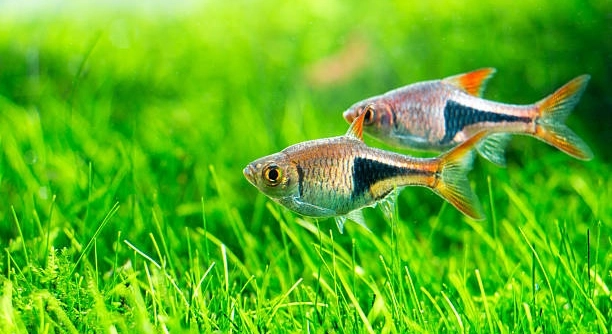
Rasboras are small, active fish often found in home aquariums. They show interesting behaviors when they explore their surroundings. Watching these actions helps us understand their nature and needs better.
Rasboras display several key behaviors during exploration, including cautious swimming, frequent fin movements, sudden stops, searching near plants, following tankmates, nibbling on surfaces, and occasional bursts of speed. These behaviors reflect their instincts and environment interactions.
Learning about these actions can improve how we care for rasboras and create a better habitat for them to thrive.
Cautious Swimming and Fin Movements
When rasboras explore their environment, they often swim cautiously. This slow, deliberate movement helps them stay alert to any potential threats nearby. You might notice them gliding near the tank’s bottom or edges, carefully observing their surroundings. Along with this, their fins move frequently but gently. These fin movements aid in balancing and steering as they navigate. The subtle flicks also signal alertness and readiness to react quickly. These behaviors show how rasboras stay safe while investigating unfamiliar areas. It’s fascinating to see their combination of care and curiosity in action. Watching them can be calming, almost like seeing a quiet dance in the water.
Their cautious swimming and fin activity help rasboras maintain stability and awareness during exploration.
Understanding this behavior allows tank owners to ensure their environment feels secure and stress-free, encouraging natural activity.
Sudden Stops and Searching Near Plants
Rasboras often make sudden stops while exploring. These quick pauses let them assess their surroundings carefully. During these stops, they may focus on specific areas, especially around plants. Plants provide shelter and food sources, so rasboras spend time inspecting these zones. This searching behavior is essential for finding safe spots and discovering edible particles or small insects. It also reflects their instinct to stay close to cover where they can hide if needed. Plant-rich tanks support this natural habit, making rasboras feel more comfortable and active. Observing their stops and plant interactions offers insight into their needs and how to keep them healthy and content. Keeping a well-planted aquarium benefits their overall well-being and encourages natural exploration patterns.
Following Tankmates
Rasboras tend to follow their tankmates closely during exploration. This behavior helps them feel safer and stay connected with the group.
Following others allows rasboras to learn about safe areas and avoid danger. In the wild, moving as a group reduces the risk of predators attacking any single fish. In an aquarium, this instinct remains strong. Rasboras swim together, mirroring each other’s movements and sometimes copying their exploration routes. This social behavior encourages them to stay active and engaged with their environment. It also helps reduce stress, as they rely on one another for comfort. Observing this can show how important companionship is to their well-being.
When a rasbora separates from the group, it may become more cautious or stop exploring altogether. This underlines the importance of keeping them in small schools to support their natural behaviors.
Nibbling on Surfaces
Rasboras often nibble on surfaces during exploration, which can seem like random biting but serves a purpose. This nibbling helps them check for food particles or algae on rocks, plants, and decorations. It’s a way to find small bits of nutrition or clean their environment. Sometimes, this behavior also serves as a form of sensory exploration, helping them learn more about their surroundings through taste and texture.
Nibbling can also indicate curiosity or boredom. Providing varied textures and safe surfaces encourages this behavior positively. If a tank lacks proper food or stimulation, rasboras might nibble more frequently on aquarium equipment, which could cause minor damage over time. Offering a balanced diet and a well-decorated tank with plants and smooth stones supports healthy nibbling habits and keeps them busy. This simple behavior is one way rasboras engage with their habitat and stay mentally active.
Occasional Bursts of Speed
Rasboras sometimes swim in quick bursts during exploration. These sudden movements help them react swiftly to changes or potential threats in their environment.
These speed bursts are also a way to move between hiding spots or follow other fish rapidly. It shows their alertness and energy levels.
Interaction with Water Currents
Rasboras often use water currents to assist their movement while exploring. They position themselves to glide smoothly, saving energy by letting currents push them along. This behavior helps them explore larger areas without tiring quickly. Currents also simulate their natural habitat, where flowing water is common. Using currents allows rasboras to stay active and curious without expending extra effort, promoting healthier activity levels. Tank owners can encourage this behavior by maintaining gentle water flow, which supports their natural exploration style and keeps them stimulated.
Inspecting Tank Corners
Rasboras frequently check tank corners during exploration. These areas offer shelter and security, making them important spots for investigation.
Why do rasboras explore their tank so actively?
Rasboras are naturally curious fish that rely on exploring their environment to find food, shelter, and safety. Their active behavior helps them learn where hiding spots and feeding areas are located. In the wild, exploration is necessary for survival, so this instinct remains strong in aquariums. Active exploration also helps reduce boredom and stress, keeping them healthier. When their tank is well-planted and has interesting features, rasboras feel more comfortable moving around and showing natural behaviors. A lack of stimulation or cramped space can cause them to become shy or inactive. Encouraging exploration through tank design benefits their mental and physical health.
How can I tell if my rasbora is stressed during exploration?
Signs of stress include erratic swimming, hiding constantly, or loss of appetite. If a rasbora avoids exploring and stays mostly still or clings to one spot, it might feel unsafe or uncomfortable. Stress can result from poor water quality, sudden changes, aggressive tankmates, or inadequate tank setup. Watch for pale coloration or clamped fins, which also indicate distress. Stress reduces their willingness to explore and impacts overall health. Regular water testing, a calm environment, and compatible tankmates can minimize stress and encourage normal exploration behaviors.
What tank setup encourages natural exploration behaviors in rasboras?
A tank with plenty of live plants, smooth rocks, and gentle water flow closely mimics their natural habitat. Plants provide shelter and hiding spots, making rasboras feel secure enough to explore openly. A soft substrate and varied decorations add interesting textures for nibbling and investigation. Moderate lighting that simulates daylight supports their active periods without causing discomfort. Avoid overcrowding by keeping them in groups of six or more, which boosts confidence and social behavior. Maintaining stable water conditions with regular filtration and cleaning promotes a healthy environment that encourages natural movement.
Do rasboras explore more in groups or alone?
Rasboras are schooling fish and explore more actively when kept in groups. Being part of a group reduces fear of predators and increases confidence. They tend to follow each other and investigate the tank together, which leads to more frequent and diverse exploration. Alone, rasboras become shy and may hide more often, limiting their natural behaviors. Group exploration also helps establish social bonds and reduces stress. For the best experience, keep at least six rasboras together in a well-planted tank to support their natural schooling and exploration instincts.
Can rasboras’ exploration behavior change with age?
Yes, younger rasboras tend to be more curious and energetic as they explore their environment to learn about food sources and safety. As they mature, their exploration may become more cautious and deliberate, focusing on familiar areas. Older fish might slow down slightly but still show regular interest in their surroundings. Changes in health or water quality can also affect exploration at any age. Monitoring their behavior over time helps spot signs of aging or stress early, allowing adjustments to tank care or diet to support their well-being and keep them comfortable exploring.
What role does diet play in exploration?
A balanced diet rich in nutrients keeps rasboras energetic and motivated to explore. Hunger can drive more active searching for food, but consistent feeding reduces stress and excessive nibbling on non-food items. Offering a mix of flakes, pellets, and occasional live or frozen foods stimulates their interest and encourages natural foraging behaviors. Poor nutrition can lead to lethargy and less exploration, so feeding quality food in appropriate amounts is key. Providing food near plants or decorations also encourages them to investigate and stay active.
How do water conditions affect rasbora exploration?
Stable water temperature, pH, and cleanliness are vital for rasboras to feel comfortable exploring. Sudden changes or poor quality cause stress, reducing their activity and increasing hiding. Rasboras prefer slightly acidic to neutral pH and temperatures around 72–79°F (22–26°C). Proper filtration and regular water changes maintain these conditions. Clean water supports their health and encourages normal swimming and exploration. Monitoring water parameters closely helps keep them active and reduces risks of illness that would limit their movement.
Are there signs that rasboras are over-exploring or stressed from their environment?
Over-exploration can show as frantic swimming, repeated darting, or constant hiding after brief investigation. These signs suggest the tank feels unsafe or uncomfortable due to factors like aggressive tankmates, poor water quality, or excessive noise. Stress may also cause loss of appetite or pale color. If these behaviors appear, checking the environment and adjusting it for more shelter, calmer conditions, or improved water quality is important. Rasboras should explore confidently, not nervously. Balanced tank conditions help prevent these issues.
How often do rasboras explore in a typical day?
Rasboras explore regularly throughout the day but tend to be most active during daylight hours. They take breaks for resting or feeding but will swim around and check their surroundings frequently. Their activity follows natural rhythms influenced by light, feeding times, and tank conditions. Consistent routines help maintain healthy exploration patterns. At night, rasboras rest more, hiding among plants or decorations. Keeping a regular light schedule and feeding routine supports these natural cycles and encourages steady, calm exploration during the day.
Rasboras are small fish that show many interesting behaviors when they explore their tank. Watching how they move, interact, and react can tell us a lot about what they need to feel safe and comfortable. Their cautious swimming, quick stops, and nibbling on surfaces are all part of how they learn about their environment. These actions help them find food, avoid danger, and feel secure. Understanding these natural behaviors allows us to create a better home for them, where they can stay healthy and active.
It is important to provide a tank setup that supports rasboras’ exploration habits. A well-planted aquarium with gentle water flow and plenty of hiding spots encourages them to swim freely and investigate their surroundings. Keeping them in groups helps as well, since rasboras are social fish that feel safer with company. Feeding them a balanced diet keeps their energy up and motivates them to explore. Regular water maintenance and stable conditions also play a key role in reducing stress and supporting their natural instincts.
By paying attention to how rasboras explore, we can improve their quality of life in the tank. These behaviors are not random but are signs of a healthy, happy fish. When rasboras show curiosity and activity, it means they feel at ease. Creating an environment that matches their needs makes a big difference. It helps them thrive and gives us the chance to enjoy watching these lively fish in action. Taking the time to learn about their exploration habits is a simple way to care for rasboras with respect and understanding.

Hello,
If you enjoy the content that we create, please consider saying a "Thank You!" by leaving a tip.
Every little bit helps us continue crafting quality advice that supports the health, happiness, and well-being of pets around the world, for pets of all shapes, sizes, and species.
We really appreciate the kindness and support that you show us!