
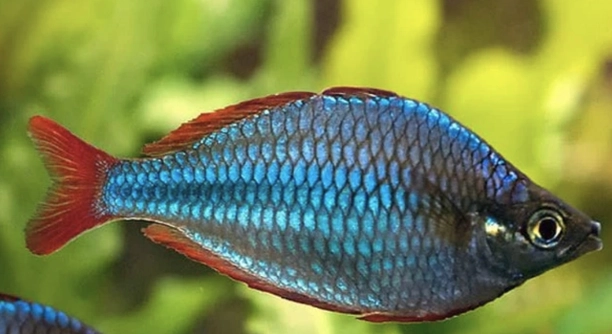
Rainbow fish are beautiful creatures, known for their vibrant colors and captivating movements. Before they breed, they display distinct behaviors that signal they’re ready to reproduce. Understanding these behaviors can help you observe and care for them more effectively.
Rainbow fish typically show certain signs before breeding. These include increased activity, males becoming more colorful, and females displaying a rounded belly. Additionally, they often engage in courtship dances to attract a mate, signaling readiness for reproduction.
By recognizing these behaviors, you can provide a better environment for your rainbow fish. Knowing when they are preparing to breed helps you support their needs, ensuring they stay healthy and happy.
Increased Activity
Rainbow fish become noticeably more active before breeding. They swim faster and more frequently, darting around their tanks. This behavior indicates they are preparing for courtship. Males, in particular, become more assertive in their movements. They will often chase after females, displaying their brightest colors.
Increased activity also leads to heightened aggression among males. This is especially true if there are multiple males in the tank. They compete for the attention of a female, showing off their vibrancy in hopes of attracting her.
During this time, the tank may seem busier than usual. You’ll notice a lot of back-and-forth movement, with some fish darting between plants or decorations. This heightened energy level is not just for display; it’s an essential part of their breeding behavior. The competition among males signals to females that they are strong and ready for reproduction. It’s also a signal that the environment might soon be suitable for breeding. Preparing for this phase helps ensure the health and vitality of the next generation.
Vibrant Colors
Male rainbow fish change colors before breeding. Their colors become more vivid, a clear sign they are ready to attract a mate. This transformation is often striking, with brighter hues and noticeable patterns.
The brightening of colors is a biological signal to females. It shows they are healthy and prepared to reproduce. This shift can sometimes happen overnight, making it easy to spot. Males will often display their colors in a “dance,” turning and twisting in front of females. It’s part of their courtship behavior. The brighter the colors, the more likely the male will be chosen by a female for breeding.
Understanding this change in appearance helps tank owners monitor their fish’s breeding readiness. It’s one of the most obvious signs that they are in a mating state. If you’re observing a male with vivid colors, it’s a clear signal that breeding may be near.
Courtship Displays
Courtship displays are an essential behavior rainbow fish engage in before breeding. Males typically perform elaborate dances to catch the attention of females. These dances involve quick, fluid movements, often paired with vibrant color changes. The display shows the male’s fitness and readiness to mate.
Males will swim in front of females, darting back and forth in an effort to impress. During this time, they may also show off their colors by shifting shades. The more intense the courtship, the more likely it is that a female will choose that male. The behavior itself is a ritual that allows males to demonstrate their stamina and agility.
Females observe the courtship closely and may choose their mate based on how well the male performs. If a male is too aggressive or fails to impress, the female may ignore him. The display is a way for males to prove their worthiness and increase their chances of successful breeding.
Preparation of the Environment
Before breeding, rainbow fish show a keen interest in their surroundings. They search for the best places to lay eggs, often focusing on plants or rocks. This behavior ensures they find a safe and suitable environment for their offspring.
Rainbow fish are instinctively drawn to areas with dense vegetation, as they offer protection for the eggs. Males may guide females toward these spots, helping them find the most suitable location. The tank setup can also influence where they choose to breed. A well-maintained aquarium with plants, stones, and other hiding spots will encourage them to breed.
If you notice your rainbow fish frequently swimming around certain plants or decorations, it’s a sign they are preparing for the next phase. Ensuring these areas are clean and safe will increase their chances of successful reproduction. A good environment not only aids in breeding but also provides protection for the young once they hatch.
Increased Aggression Among Males
As breeding time approaches, male rainbow fish often become more aggressive. This behavior is part of their effort to establish dominance and win the attention of females. Males will often chase each other, competing for the chance to mate.
This aggression can lead to some physical interactions, where males will nip at each other or push each other away from a female. However, this is all part of the courtship ritual. The strongest male will typically gain the upper hand and be chosen by the female for mating.
If there are too many males in the tank, aggression can become excessive. It’s important to ensure the tank is large enough to avoid territorial conflicts, as this will help minimize stress and allow the fish to focus on breeding.
Females Showing Full Belly
Female rainbow fish will often show a noticeable, rounded belly before breeding. This occurs as they prepare to lay eggs. A full belly is a clear sign that the female is carrying eggs and is getting ready for the mating process.
This visible change in the female’s body happens as she becomes more bloated. The rounder shape indicates that she is ready to release eggs once she finds a suitable mate and environment. It’s a sign that the breeding process is close to starting.
Selecting a Mate
Rainbow fish carefully select their mates based on several factors, including color, display performance, and health. Males that perform elaborate courtship displays have a higher chance of being chosen. Female fish tend to pick males who show off the brightest colors and the most impressive movements. This selection process ensures that the female chooses a male who will give the best chance for healthy offspring.
FAQ
What are the best conditions for rainbow fish to breed?
Rainbow fish require specific conditions to breed successfully. They prefer slightly acidic to neutral water, with a temperature range between 75°F to 80°F (24°C to 27°C). A well-maintained aquarium with clean, oxygenated water is key. Adding plants, such as Java moss, can also provide the necessary hiding spots for eggs. Additionally, rainbow fish are best bred in slightly soft water, but they can adapt to harder water with some care. A stable, calm environment encourages breeding, so regular water changes are essential to keep the conditions optimal for reproduction.
How can I tell if my rainbow fish are ready to breed?
The easiest way to tell if your rainbow fish are ready to breed is by observing changes in behavior and appearance. Males become more colorful and aggressive in their displays, often performing courtship dances to attract females. Females show a fuller belly, indicating that they are carrying eggs. These visual and behavioral cues are the most reliable signs that your fish are ready to reproduce. Their increased activity, vibrant colors, and specific courtship actions signal that breeding is imminent.
How do I encourage my rainbow fish to breed?
To encourage your rainbow fish to breed, create the right environment for them. Ensure the water temperature is slightly warm and the pH levels are within the appropriate range. Provide plenty of plants and hiding spaces in the tank for the fish to feel safe. Also, consider offering a varied diet, including live or frozen foods, which can help stimulate breeding behaviors. A stable environment with minimal stress will increase the chances of successful breeding. If needed, separate males and females to encourage their courtship and remove any territorial males that may cause stress.
Can rainbow fish breed in a community tank?
Yes, rainbow fish can breed in a community tank, but there are a few things to consider. A peaceful tank environment is crucial, as overly aggressive or territorial fish may disrupt the breeding process. It’s helpful to have plenty of plants and hiding spots for the rainbow fish to feel secure while breeding. It’s also essential to avoid keeping larger or predatory species that could harm the eggs or fry. While rainbow fish can breed in a community setup, having a separate breeding tank may increase the chances of successful reproduction and egg protection.
What do rainbow fish do after they breed?
After breeding, rainbow fish will lay their eggs, typically in plants or other sheltered areas of the tank. The female will release a batch of eggs, and the male fertilizes them shortly after. The adults usually do not care for the eggs or fry. The eggs will hatch in about a week, and the fry will begin to swim freely once they have absorbed their yolk sac. It’s important to remove the adult fish from the breeding tank to prevent them from eating the eggs or newly hatched fry. The fry will need separate care, including feeding fine food like baby brine shrimp.
How long does it take for rainbow fish eggs to hatch?
Rainbow fish eggs typically take between 7 to 10 days to hatch, depending on the water temperature and conditions. Warmer water temperatures can speed up the hatching process, while cooler temperatures may slow it down. After hatching, the fry will remain attached to the plant or substrate for a while, absorbing their yolk sac. Once they begin swimming freely, it’s time to start feeding them. Offering finely crushed fish food or baby brine shrimp will help nourish them during their early stages.
Do rainbow fish care for their eggs or fry?
Rainbow fish do not care for their eggs or fry. Once the eggs are fertilized, the adult fish will typically leave them alone. This lack of parental care is normal, as the eggs and fry are left to fend for themselves. In the wild, the fish’s instinct is to lay eggs in a safe area, but once fertilization is complete, the responsibility of survival falls to the eggs and fry themselves. As a fish keeper, you’ll need to provide extra care to protect the eggs from being eaten by other tank mates or the adult fish.
Should I separate rainbow fish during breeding?
Separating rainbow fish during breeding is not always necessary, but it can be helpful. If you’re trying to breed rainbow fish in a community tank, make sure there are enough hiding spaces and plants for the female to feel secure. If breeding isn’t occurring or aggression between males is too high, you may consider separating them into a breeding tank. This reduces stress and allows them to focus on courtship. A separate tank also provides a controlled environment where you can manage water conditions more effectively to encourage breeding.
How can I protect rainbow fish eggs from being eaten?
To protect rainbow fish eggs from being eaten, it’s essential to either remove the adult fish after spawning or provide a separate breeding tank for them. Many fish, including rainbow fish, will eat their own eggs if they get the chance. Once the eggs are laid, carefully remove the adult fish, as they may continue to eat or disturb the eggs. Alternatively, using a breeding box or mesh divider can help protect the eggs while allowing the adult fish to remain in the tank. Regular water changes and keeping the tank free of stressors will help ensure the eggs’ survival.
How do I care for rainbow fish fry after they hatch?
Once rainbow fish fry hatch, they are quite delicate and require specific care. Initially, they will feed off their yolk sacs, but once this is depleted, you can start feeding them very fine foods like liquid fry food or baby brine shrimp. Ensure the water quality is pristine, as fry are very sensitive to toxins. Keeping the fry in a separate, well-maintained tank with gentle filtration is essential for their survival. As they grow, you can gradually introduce larger foods and move them to a more suitable tank once they are strong enough.
Final Thoughts
Rainbow fish are fascinating creatures, and observing them as they prepare to breed can be an exciting experience. From the brightening of males’ colors to the increased activity, each behavior plays a crucial role in their mating process. Understanding these signs can make it easier to provide the right environment for your fish, helping them thrive and successfully reproduce. With the right conditions, such as proper water temperature, a peaceful environment, and plenty of hiding spaces, your rainbow fish can be well on their way to producing healthy offspring.
It’s also important to remember that rainbow fish are not particularly demanding when it comes to breeding. They don’t require constant attention or parental care once they lay their eggs, making the process a bit less hands-on for aquarium owners. However, providing a safe environment, ensuring the eggs are protected, and keeping the water quality high are essential to their success. By giving them enough space and resources, you’ll increase the chances of a smooth and successful breeding process. Whether you’re a beginner or have experience with fish breeding, rainbow fish are a great species to observe.
Finally, patience is key when it comes to breeding rainbow fish. These behaviors and signs may not happen overnight, but with time, your fish will show the right cues when they are ready. By carefully monitoring their actions and ensuring their environment is suitable, you can encourage a healthy breeding cycle. With the right attention to detail and understanding, your rainbow fish will likely reward you with beautiful, vibrant offspring that continue their legacy in the tank.

Hello,
If you enjoy the content that we create, please consider saying a "Thank You!" by leaving a tip.
Every little bit helps us continue crafting quality advice that supports the health, happiness, and well-being of pets around the world, for pets of all shapes, sizes, and species.
We really appreciate the kindness and support that you show us!