
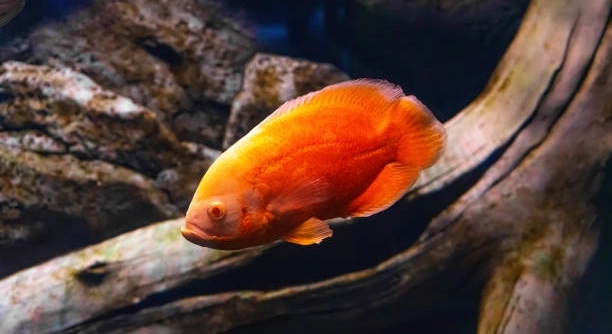
Oscars, also known as the Australian shepherd, are known for their playful and energetic nature. However, understanding their behavior before they attack is essential to ensuring a safe and harmonious environment for both you and your pet.
Oscars typically show certain signs before attacking, such as sudden pacing, growling, or baring their teeth. These behaviors often indicate discomfort or a perceived threat, signaling that the dog may feel the need to defend itself.
Recognizing these behaviors will help you prevent potential conflicts with your Oscar, allowing you to manage their actions effectively. Understanding their body language and triggers is key to promoting a calm atmosphere.
Common Pre-Attack Behaviors in Oscars
When an Oscar shows signs of aggression, they usually go through specific behaviors that can be noticed before an attack. This includes a tense body, narrowed eyes, or stiffened posture. Their ears may flatten, and they might begin to growl or show their teeth. These behaviors are a warning sign that the dog may be feeling threatened or overstimulated. Often, this is not random aggression, but rather a reaction to a perceived threat. Recognizing these behaviors can help you assess the situation and intervene before it escalates into an attack.
Sometimes these behaviors are subtle, like a change in breathing patterns or a shift in eye contact. Oscar’s body language is a clear indicator of their mood. If you see these warning signs, it’s important to give them space and remove any potential stressors around them. Understanding when they are in distress can help prevent incidents from occurring.
Interpreting your Oscar’s body language can help prevent attacks. This knowledge allows you to respond proactively, adjusting your approach to avoid triggering their defensive instincts. Knowing the signs of discomfort can make a huge difference in maintaining a safe environment.
How to Manage Aggression in Oscars
It’s crucial to address Oscar’s aggression before it turns into an attack. Recognizing their stress signals early is key to preventing a dangerous situation. Training your Oscar to handle stressful situations calmly can help reduce these aggressive tendencies. It may also be helpful to consult a professional trainer who specializes in managing aggression. With the right approach, you can teach your Oscar how to remain calm in situations that previously triggered aggressive responses.
A calm environment can have a huge impact on your Oscar’s behavior. By providing consistent routines and minimizing stressors, you create a safer space for both you and your dog. Some Oscars may need extra care in socialization, as they can be wary of unfamiliar people or animals. Gradually exposing them to new experiences in a controlled manner can help them feel more confident and less likely to react aggressively. Additionally, rewards for calm behavior reinforce positive actions.
Over time, patience and consistent training can reduce your Oscar’s aggressive behavior. By understanding their stress signals and responding appropriately, you can help them feel more secure and less likely to lash out in fear.
Why Oscars Show Aggression
Oscars may show aggression for several reasons, including fear, territorial instincts, or overstimulation. When they feel threatened, they might react defensively. Understanding the root cause of their aggression can help you address it effectively and reduce future incidents. Aggression often stems from specific triggers, so identifying them is essential.
If your Oscar perceives a person, animal, or environment as a threat, their instinct may be to defend themselves. This can happen if they feel cornered or are startled. It’s important to notice early signs of tension, such as rigid movements or vocalizations. Recognizing the triggers helps you intervene before they escalate into aggressive behaviors. Oscars, like many dogs, are highly protective of their space, and their actions are often driven by this instinct. Once you understand what’s causing their aggression, you can take steps to prevent or manage it.
In some cases, aggressive behavior in Oscars can stem from poor socialization experiences. If they were not exposed to different environments, people, or animals as puppies, they may not know how to respond in new situations. This can lead to fear-based aggression when they encounter something unfamiliar. Early exposure and gradual socialization can significantly reduce aggression over time, allowing your Oscar to grow more comfortable in various settings.
How to Recognize Aggression in Oscars
Recognizing aggression in Oscars involves paying close attention to their body language and vocalizations. Common signs include raised fur, intense staring, and growling. These indicators show that your dog is feeling threatened. By recognizing these signs, you can avoid escalation.
In addition to the physical signs, an Oscar might start pacing, backing into a corner, or displaying defensive postures like lunging or snapping. It’s important to keep an eye on their overall behavior. If their focus becomes fixated on a specific person or animal, their aggression is likely targeted. These behaviors often escalate if not addressed, which is why early detection is key. If you’re unsure, observe your Oscar in different settings to see how they react to certain stimuli.
Understanding the early signs of aggression can make a big difference in preventing problems. By intervening before aggression peaks, you reduce the risk of an attack. It’s essential to create a calm environment for your Oscar, with plenty of space and structure, so they don’t feel the need to defend themselves.
The Role of Body Language in Aggression
Body language plays a crucial role in understanding an Oscar’s mood. Before an attack, Oscars may exhibit behaviors like stiffening their body or turning their head away. These subtle signs indicate discomfort or unease. Being aware of these can help you act quickly.
Oscars often display warning signals through body language. Their posture can tell you whether they feel threatened or relaxed. A rigid stance with raised hackles suggests they may be preparing to react defensively. Likewise, a low tail or exposed teeth could mean they are ready to escalate. Paying attention to these signs can prevent a confrontation.
How to De-Escalate Tension
To de-escalate tension, avoid sudden movements and give your Oscar space. Stay calm, and speak in a soft, soothing voice. Using positive reinforcement can help shift their focus from the perceived threat to something more calming. Gentle distractions work wonders in redirecting their energy.
Redirecting your Oscar’s attention to a treat or toy can help defuse the situation. If they are overly fixated on something, calmly guide them to a different area. Reinforcing calm behavior with treats encourages them to relax and reduces the likelihood of aggression. Training them to focus on commands instead of triggers can help long-term.
The Importance of Consistent Training
Consistent training is essential to preventing aggressive behavior in Oscars. Teaching them basic commands and socialization skills can reduce fear-based reactions. Regular practice helps your Oscar feel more confident and secure, minimizing the chances of aggressive outbursts.
Training your Oscar should be a gradual process, starting with simple commands. Focus on commands like “sit” or “stay,” and reward them for following through. Socialization with other animals and people should be done slowly, ensuring they don’t feel overwhelmed. Over time, your Oscar will grow more comfortable with different environments and situations, which will reduce their need to react aggressively.
FAQ
What are the main reasons Oscars become aggressive?
Oscars can become aggressive due to fear, territorial instincts, or overstimulation. When they feel threatened, they may react defensively. Stressful environments, lack of proper socialization, or even past trauma can contribute to aggressive behaviors. Recognizing these triggers early can help prevent aggression from escalating.
How can I tell if my Oscar is about to attack?
Before an attack, Oscars often exhibit clear warning signs, such as stiffening their body, narrowing their eyes, growling, or showing their teeth. Their posture becomes rigid, and their tail may stiffen. Recognizing these subtle clues can help you intervene before the situation gets worse.
Can I prevent my Oscar from becoming aggressive?
Yes, preventing aggression in Oscars is possible through early socialization, consistent training, and a calm environment. Gradual exposure to new experiences, people, and animals helps your Oscar become more comfortable and confident, reducing the likelihood of aggressive reactions. Training should also focus on positive reinforcement for calm behavior.
Is it normal for Oscars to be aggressive towards strangers?
Oscar aggression towards strangers can be common, especially if they haven’t been properly socialized. Oscars are naturally protective, and if they haven’t had positive experiences with unfamiliar people, they may react defensively. Socializing your Oscar early, exposing them to different environments and people, can help them become less fearful and more confident around strangers.
What should I do if my Oscar shows aggression toward me?
If your Oscar shows aggression toward you, it’s important to remain calm and avoid reacting with anger or punishment. Instead, give them space, and try to determine the cause of their aggression. It could be related to fear, pain, or a need for boundaries. A professional trainer can help if the behavior persists.
How do I manage aggression in my Oscar when it happens?
To manage aggression in the moment, remain calm and avoid eye contact, which can be perceived as a challenge. Speak in a soft, soothing voice, and slowly move away from the situation. Never try to physically force your Oscar to calm down. Redirecting their attention to a toy or treat can help distract them and shift their focus.
Can Oscars be aggressive to other pets?
Yes, Oscars can be aggressive toward other pets, especially if they haven’t been properly introduced or are not used to sharing their space. This can be particularly true if they feel their territory is being invaded. Proper introduction techniques, along with ongoing socialization, can help reduce aggression towards other pets.
Is it safe to let my Oscar interact with other dogs?
With the right precautions and gradual socialization, it can be safe for Oscars to interact with other dogs. Introduce them slowly in a controlled environment and observe their behavior. If your Oscar shows signs of aggression, it’s best to end the interaction and consult a trainer. Over time, your Oscar can learn how to interact appropriately with other dogs.
How can I prevent my Oscar from becoming fearful?
To prevent fear-based aggression, provide your Oscar with positive experiences and gradually expose them to new situations. Avoid overwhelming them, and always let them take their time to adjust. Positive reinforcement for calm behavior during these experiences helps your Oscar build confidence and reduces the likelihood of fear-induced aggression.
Are there any medical reasons for aggression in Oscars?
Yes, medical issues can sometimes cause aggression in Oscars. Pain, discomfort, or illness can make dogs more irritable or defensive. If your Oscar’s behavior changes suddenly, it’s important to have them checked by a vet to rule out underlying medical problems. Health issues like arthritis, dental pain, or hormonal imbalances can contribute to aggression.
How long does it take to change aggressive behavior in an Oscar?
The time it takes to change aggressive behavior in an Oscar depends on the cause and severity of the aggression. With consistent training, positive reinforcement, and socialization, you can see improvement in a few weeks. However, more severe cases may require months or even professional assistance from a behaviorist.
Should I consider professional help for my Oscar’s aggression?
If your Oscar’s aggression is severe or difficult to manage, professional help is recommended. A dog trainer or behaviorist can help you identify the root cause of the aggression and provide tailored strategies for managing it. Professional training can also give you the tools to build a better relationship with your Oscar and address behavioral issues more effectively.
Can positive reinforcement help with aggression in Oscars?
Yes, positive reinforcement is an effective method for addressing aggression in Oscars. Rewarding calm behavior with treats or praise helps reinforce positive actions. Over time, this teaches your Oscar that staying calm leads to rewards, which reduces the likelihood of aggressive reactions. Consistency is key to success.
What should I do if my Oscar bites someone?
If your Oscar bites someone, it’s important to seek immediate medical attention for the person and assess the situation. Take note of what triggered the bite and remove your Oscar from the area. Contact a professional trainer or behaviorist to address the behavior and prevent future incidents. Biting is a serious behavior and should be addressed with care.
Is it possible for an Oscar to stop being aggressive?
With the right training and approach, many Oscars can stop or significantly reduce aggressive behaviors. It may require time, patience, and consistent effort, but most Oscars can learn to control their aggression. A combination of proper training, socialization, and management can lead to positive results.
Final Thoughts
Understanding Oscar aggression is key to creating a safe and peaceful environment for both you and your pet. Oscars, like many animals, can display aggressive behavior due to various factors such as fear, territorial instincts, or overstimulation. Recognizing the warning signs early, such as a rigid body, exposed teeth, or growling, can help you take action before the situation escalates. If you notice these signs, it’s essential to give your Oscar space and avoid reacting with anger, as this can worsen the situation. Instead, stay calm, and try to redirect their focus to something more calming, like a toy or treat. This helps create a better environment for both you and your Oscar.
Training and socialization play vital roles in reducing aggressive behavior in Oscars. Consistently practicing positive reinforcement and ensuring that your Oscar is exposed to a variety of people, pets, and environments can help them become more comfortable and confident. Gradual exposure to new situations helps your Oscar learn how to handle stress or fear, preventing aggression before it starts. Socializing them early, as well as reinforcing calm behavior, can create a well-adjusted Oscar that is less likely to react aggressively. The time you invest in training and socialization can have lasting benefits, making life with your Oscar more enjoyable and less stressful.
While aggression in Oscars can be managed, it’s important to recognize when professional help is needed. If the aggression persists despite your best efforts, seeking guidance from a dog trainer or behaviorist can be a helpful step. Professionals can provide you with specific tools and techniques tailored to your Oscar’s unique behavior. Remember, change takes time, and the process is different for every dog. Be patient with your Oscar, and with the right approach, their behavior can improve. This way, both you and your Oscar can enjoy a happy and peaceful life together.

Hello,
If you enjoy the content that we create, please consider saying a "Thank You!" by leaving a tip.
Every little bit helps us continue crafting quality advice that supports the health, happiness, and well-being of pets around the world, for pets of all shapes, sizes, and species.
We really appreciate the kindness and support that you show us!