
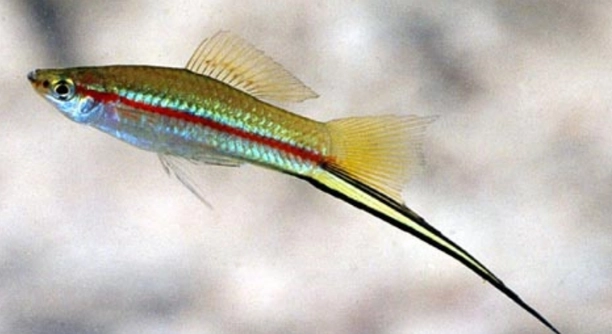
Swordtails are popular fish in aquariums, known for their striking colors and lively behavior. Observing their mating habits can be fascinating, especially for new fish owners. Understanding their behavioral signs helps in providing the best care for your swordtail fish.
Swordtail mating is characterized by specific behaviors that indicate attraction and readiness to breed. Males typically chase females, display vibrant colors, and perform quick darting movements to show interest. These signs are common during mating seasons.
These signs are crucial to recognize, as they offer insight into the well-being of your swordtail fish. Keeping an eye on these behaviors ensures healthy interactions and a thriving aquarium environment.
Male Swordtail Chase
Male swordtails display a unique behavior when they are ready to mate. One of the most common signs is chasing. The male will swim quickly around the female, trying to get her attention. This chase can last for quite some time, depending on how receptive the female is. The male may even engage in swift darting movements or turn to face her as he continues to pursue. During this chase, his vibrant colors may become even more vivid, signaling his eagerness. This behavior is an attempt to impress the female and assert his readiness to breed.
The chase can be relentless, and it’s a clear indicator that the male is interested in mating. It’s not unusual for the male to pursue the female until she shows signs of submission or interest.
This chasing behavior is a natural part of swordtail mating rituals. Once the female shows readiness, the male will often attempt to court her further by continuing to pursue her with more intense movements. This type of activity is not only a sign of courtship but also a signal that mating is likely to occur soon.
Female Response to Male Courtship
The female swordtail’s response to the male’s chase can vary. Initially, she may try to swim away from him, signaling her reluctance. However, if she is ready to mate, she may start to slow down, allowing the male to get closer. This subtle shift in behavior tells the male that his efforts are paying off. The female’s willingness is a crucial factor in the mating process.
When she accepts his advances, she may swim in a more relaxed manner, signaling her readiness. At this point, the male will likely move in to mate. The interaction will usually be brief but intense, with the male attempting to fertilize the female’s eggs.
The female’s response is key to the success of the mating process. By recognizing when she is ready, you can ensure the best conditions for your swordtails to breed successfully. This response helps to keep the aquarium dynamic and healthy, with a mix of active fish and natural behaviors.
Male Swordtail Color Display
During mating season, male swordtails often display more vibrant colors. The more intense hues are a sign of their readiness to attract females. They may flash their colors in front of the female, turning their bodies in different directions to showcase their beauty. These displays are meant to grab the female’s attention.
This color change is not just for looks; it’s a signal of health and vitality. A brighter, more colorful male is often considered the best candidate for mating, as females tend to choose the brightest, most attractive males. The display helps to reinforce the male’s strength and genetic fitness, which can influence the female’s choice.
Swordtail males use their colorful displays to show dominance over other males too. They may position themselves in a way to block or chase away other males in the area. This competitive behavior adds to the intensity of the courtship ritual and helps ensure that the best male has the opportunity to mate.
Courtship Dance
Once a female swordtail shows interest, the male will often begin a courtship dance. This behavior involves swimming in an elaborate pattern around the female. He may circle her or swim in quick bursts to grab her attention further. His movements can be very swift, showing his energy and excitement.
The courtship dance can last a few minutes or longer, depending on the female’s response. It is a way for the male to demonstrate his agility and fitness. By doing so, he hopes to convince the female of his suitability as a mate. The dance often culminates in the male positioning himself near the female to mate.
In this dance, the male is also looking for cues that the female is receptive. If the female slows down or stops swimming, she may be ready for mating. However, if she continues to swim away or ignores his movements, the male will keep trying to impress her, repeating his dance.
Swordtail Fin Movements
Male swordtails also use their fins to communicate during mating. They will spread their fins wide, especially the tail fin, to make themselves appear larger and more impressive. These movements are part of their display to gain the female’s attention.
The male might also twitch or shake his fins rapidly. These small, quick movements are intended to catch the female’s eye, signaling that he is ready for mating. When paired with vibrant colors and swimming displays, fin movements further highlight his vitality.
Female Swordtail Behavior
Female swordtails show subtle signs when they are ready to mate. Their body language can change, and they may begin to swim more slowly or remain in one spot. This signals to the male that she is open to his advances.
These changes in behavior are important in determining the right time for mating. The male will observe her carefully to gauge her interest. If she is not ready, the female may swim away or show no interest in the male’s display.
Swordtail Mating Process
Once the female is receptive, the male will attempt to mate. Swordtails are viviparous, meaning the male fertilizes the female internally. The male usually uses his modified anal fin, called a gonopodium, to transfer sperm into the female.
This process can be quick but intense. The male may try multiple times, as female swordtails tend to be selective about who they mate with. Successful fertilization can lead to the female carrying fertilized eggs that will eventually hatch into live young.
FAQ
What is the best environment for swordtail mating?
For swordtail mating to occur successfully, the environment needs to be ideal. Swordtails prefer clean, well-maintained tanks with stable water parameters. The temperature should range between 72°F and 79°F, as this is when they are most active and ready to breed. Water should be soft to moderately hard, with a pH between 7.0 and 8.0. It’s also important to provide hiding spots in the tank, such as plants or decorations, so the female can retreat if she feels threatened or needs a break from the male’s pursuit. A calm, peaceful environment helps reduce stress, which could otherwise disrupt mating behavior.
How do you know when a swordtail is ready to mate?
A swordtail’s readiness to mate can be detected through changes in behavior. The female may begin swimming slowly or hover in one spot, showing that she is open to mating. Additionally, you may notice her body becoming fuller or rounder, indicating she’s carrying eggs. On the male’s side, he will exhibit behaviors such as increased color vibrancy and chasing the female around the tank. Males will often perform their courting rituals, including displaying their fins and darting in front of the female. If the female responds by slowing down or staying still, it’s a sign she’s ready for mating.
How long does swordtail mating take?
The actual mating process in swordtails is fairly quick, usually lasting just a few seconds. After a successful courtship display, the male uses his gonopodium (modified anal fin) to transfer sperm into the female. While the mating itself is brief, it may happen multiple times, depending on the female’s receptiveness. Some males will try to mate with a female several times during a single mating period to ensure successful fertilization. Once the mating is successful, the female can store the sperm and use it to fertilize eggs over a period of weeks.
Can swordtails mate with other fish?
Swordtails will generally not mate with other species of fish. They are part of the Poeciliidae family, and mating typically occurs within the same species. Although they may interact with other types of fish in the tank, mating behavior is specific to swordtails. If you keep other livebearers, like guppies or mollies, together with swordtails, they may display mating behavior but won’t successfully breed. It’s important to separate different species of fish when it comes to breeding if you want to maintain pure swordtail lines.
How can I tell if a swordtail is pregnant?
Pregnancy in swordtails can be identified by a few visible signs. The most obvious indicator is the enlargement of the female’s abdomen, which becomes more rounded and swollen as the pregnancy progresses. You may also notice a dark spot near her anal fin, known as a gravid spot, where the developing fry can be seen through the skin. The female may become less active and more reclusive as she nears her due date, seeking quiet spots to rest. If she appears much rounder than usual, it’s a clear sign that she’s pregnant and will give birth soon.
How often do swordtails breed?
Swordtails are prolific breeders and can mate quite frequently. Once a female has mated, she can store sperm for several months, which means she can become pregnant multiple times without needing to mate again. Depending on the conditions, a female may give birth to a new batch of fry every 4 to 6 weeks. If kept in a well-maintained tank with plenty of space, swordtails will breed consistently, often producing large numbers of offspring. Regular monitoring of the female’s condition can help you determine when to expect the next batch of fry.
Why do my male swordtails fight?
Male swordtails sometimes engage in aggressive behavior, especially when competing for the attention of a female. They may chase or nip at each other, displaying dominance over one another. This behavior can be more frequent in small tanks or when there are too many males and not enough females. While some fighting is normal, constant aggression can stress out the fish and affect breeding behavior. To reduce fighting, ensure that there are plenty of females in the tank, or provide additional hiding places to reduce territorial disputes. It’s also helpful to ensure that the tank is large enough to allow the fish to swim freely and avoid conflicts.
How do I care for swordtail fry?
Once swordtail fry are born, they are fairly independent and will swim around the tank immediately. However, to ensure their survival, it’s important to provide them with a safe, calm environment. The fry should be separated from adult fish to avoid being eaten, as swordtails are known to eat their young. You can use a breeding trap or a separate tank to keep the fry safe until they grow large enough to be introduced to the main tank. Fry should be fed with finely crushed flakes, baby brine shrimp, or other small food items to ensure proper growth.
Can swordtails breed in a community tank?
Yes, swordtails can breed in a community tank as long as the conditions are right. They are peaceful fish but will still engage in mating behavior. However, in a community tank with other species, there may be some challenges, such as competition with other males for mates or the risk of the fry being eaten by larger fish. If you want to encourage breeding in a community tank, ensure there are plenty of hiding places for the fry and monitor the population to avoid overcrowding. It’s also essential to keep water conditions stable and safe for all species in the tank.
Final Thoughts
Swordtail mating is an interesting and natural process that can provide valuable insights into the behavior of these vibrant fish. Understanding the signs of mating can help you ensure that your swordtails are healthy and thriving in their environment. By recognizing the male’s chase, color displays, and fin movements, along with the female’s behavior, you can identify when they are ready to mate. These behaviors are not just instinctive; they are essential for the fish’s reproduction and help maintain a healthy aquarium.
If you’re planning to breed swordtails, it’s important to create the right environment for them. Proper water temperature, pH levels, and a peaceful tank setup are key factors in encouraging successful mating. Providing hiding spots for females and ensuring that there is enough space for all fish will also help reduce stress. Stress can interfere with mating and may even cause aggressive behavior, so maintaining a calm environment is crucial. Swordtails breed fairly easily under the right conditions, and being mindful of these factors can result in healthy, happy fish.
Finally, while swordtail breeding is relatively straightforward, it requires some attention to detail. Monitoring the female for signs of pregnancy and being prepared to care for the fry once they’re born will ensure that the next generation of swordtails grows up healthy. Keeping an eye on tank conditions, along with observing the swordtails’ behaviors, will help you manage a successful breeding process. Whether you want to raise more swordtails or simply enjoy the beauty of these fascinating fish, understanding their mating behavior is a rewarding aspect of aquarium care.

Hello,
If you enjoy the content that we create, please consider saying a "Thank You!" by leaving a tip.
Every little bit helps us continue crafting quality advice that supports the health, happiness, and well-being of pets around the world, for pets of all shapes, sizes, and species.
We really appreciate the kindness and support that you show us!