
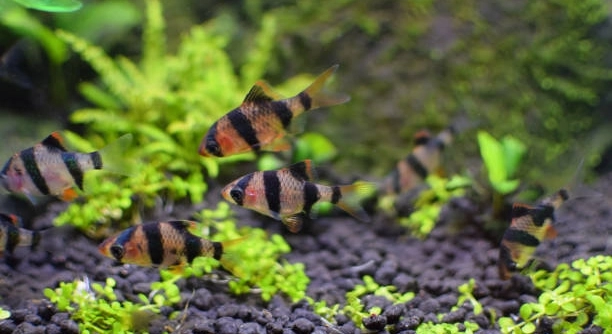
Tiger Barbs are popular aquarium fish known for their lively nature and distinctive appearance. Watching their behavior can help owners ensure the fish are healthy and thriving. Small changes in how they act often indicate shifts in their environment or health.
Behavioral changes in Tiger Barbs can include variations in activity levels, changes in schooling patterns, increased aggression, altered feeding habits, and signs of stress or illness. Monitoring these behaviors is essential to maintaining their well-being and preventing serious health issues.
Recognizing these changes early allows fish keepers to respond appropriately and support their Tiger Barbs’ health and happiness over time.
Changes in Activity Levels
Tiger Barbs are usually very active fish, constantly swimming and exploring their tank. When they suddenly become less active or stop swimming as much, it often signals that something is wrong. This could be due to illness, poor water quality, or stress from overcrowding. On the other hand, unusually frantic or erratic swimming might indicate discomfort or agitation. Keeping track of how much your Tiger Barbs move each day can help you notice these differences early. Adjusting tank conditions, such as cleaning the water or checking the temperature, often helps restore their normal activity. Observing these changes closely can prevent bigger problems and promote a healthy environment for your fish.
Reduced or excessive activity levels in Tiger Barbs often point to health or environmental issues that require immediate attention.
Regular observation of activity helps identify early signs of disease or stress. Quick action ensures the fish recover faster and maintain their usual lively behavior.
Changes in Schooling Behavior
Tiger Barbs naturally swim in groups, and their schooling behavior is a key part of their social structure. When they start to separate from the group or isolate themselves, it may indicate illness or stress. Fish that isolate themselves are often weaker or sick, and other Tiger Barbs may push them away. Changes in schooling can also result from sudden changes in the tank environment, such as water temperature shifts or the addition of new fish. Maintaining a stable environment and keeping a proper group size can prevent these issues. Watching for these changes can help you intervene early and keep your fish healthy and social.
Schooling changes signal social stress or health problems in Tiger Barbs and need prompt observation and action.
If a Tiger Barb begins to swim alone, it may be struggling with health issues or feeling stressed. Isolation from the group reduces its chances of survival. A stable environment and consistent tank maintenance support normal schooling behavior. Avoid overcrowding and keep water parameters steady to help your fish feel secure. Introducing new fish slowly and carefully reduces stress. When schooling changes occur, test water quality and look for signs of illness. Providing hiding places and reducing sudden disturbances also helps. Keeping the group together and calm is essential for their well-being. Proper care supports healthy social behavior and prevents isolation problems.
Increased Aggression
Aggression in Tiger Barbs can rise due to overcrowding or stress. It often shows as chasing or nipping other fish, which can cause injuries.
When aggression increases, it usually means the tank is too small or the fish feel threatened. Tiger Barbs need enough space and hiding spots to reduce stress. Separating aggressive individuals or adding more fish can help spread out aggression. Monitoring their behavior closely prevents harm to other fish.
Aggressive behavior can also occur if there is a sudden change in the environment. Changes like poor water quality, new tank mates, or fluctuating temperature can trigger stress and irritability. Ensuring stable conditions supports calmer behavior.
Altered Feeding Habits
Tiger Barbs may eat less or stop eating when they are stressed or sick. This behavior signals a need for close observation.
Changes in appetite can stem from illness, water quality problems, or changes in diet. When Tiger Barbs reduce feeding, it’s important to check for signs of disease or discomfort. Sometimes, they need a more varied diet or live food to encourage eating.
A consistent feeding schedule helps maintain their health and appetite. Sudden changes in food type or quantity can cause refusal to eat. Regular tank maintenance and water testing support overall well-being, which also improves feeding habits.
Signs of Stress
Stress in Tiger Barbs often shows as hiding more than usual or swimming near the surface. These behaviors suggest discomfort or poor tank conditions.
Common causes of stress include sudden changes in water temperature, poor water quality, and aggressive tank mates. Reducing these factors helps the fish regain calmness and normal behavior.
Color Changes
Tiger Barbs may lose their bright colors when they are unhealthy or stressed. Dull or faded colors are a clear sign that something needs attention.
Changes in coloration often result from illness, poor water conditions, or inadequate nutrition. Maintaining clean water and a balanced diet helps keep their vibrant appearance. If color loss continues, testing water parameters and consulting with a specialist may be necessary.
Erratic Swimming
Erratic swimming, such as darting or spinning, often indicates irritation or illness in Tiger Barbs. This behavior should be monitored closely.
Reduced Breathing Rate
A slower or irregular breathing rate can signal that Tiger Barbs are unwell or stressed. Monitoring this helps catch health issues early.
What causes Tiger Barbs to become aggressive?
Aggression in Tiger Barbs is often caused by overcrowding, stress, or competition for food and territory. These fish are naturally active and can become territorial if they feel cramped. Lack of hiding places or sudden changes in their environment can increase aggression. Keeping them in a suitably sized tank with enough space and decorations helps reduce tension. Adding more fish to spread out aggression can also be effective. Monitoring water quality is important since poor conditions may stress fish and make them more aggressive.
How can I tell if my Tiger Barb is stressed?
Signs of stress include hiding more often, erratic swimming, loss of color, and reduced appetite. They may also breathe rapidly or stay near the surface. Stress usually results from poor water conditions, sudden changes in temperature, aggressive tank mates, or inadequate tank size. Regular water testing and maintaining stable conditions are crucial. Providing hiding spots and avoiding sudden disruptions can help the fish feel secure and calm.
Why are my Tiger Barbs not eating?
Loss of appetite can indicate illness, stress, or poor water quality. Changes in diet or tank environment may also cause feeding problems. Sick fish often refuse food, so watch for other symptoms like lethargy or color loss. Ensuring clean water, offering a variety of foods, including live or frozen options, can encourage eating. If feeding issues persist, testing water parameters and consulting a vet or aquarium expert may be necessary.
What should I do if my Tiger Barb isolates itself from the group?
Isolation often signals illness or stress. Check water quality and look for visible signs of disease such as spots, swelling, or abnormal behavior. Maintaining stable tank conditions and avoiding overcrowding is important. If the fish appears sick, quarantine or treatment may be needed to prevent spreading illness. Isolation reduces their chances of survival, so early intervention is key.
How do changes in water temperature affect Tiger Barbs?
Tiger Barbs thrive in stable temperatures between 74°F and 79°F (23°C–26°C). Sudden temperature fluctuations stress them and can lead to weakened immune systems and illness. Keep the tank heater regulated and monitor temperature daily. Avoid placing the tank near drafts or heat sources. Gradual temperature changes are less harmful than rapid shifts.
Why is my Tiger Barb’s color fading?
Fading colors often indicate stress, poor water quality, illness, or inadequate nutrition. Healthy Tiger Barbs have bright, vibrant stripes. Regular water changes and balanced diets rich in nutrients help maintain their color. If fading persists despite good care, check for parasites or infections. Addressing these issues quickly supports recovery.
Can Tiger Barbs live with other fish?
Tiger Barbs can coexist with other fish if the tank is large enough and the species are compatible. They are semi-aggressive and may nip fins, especially of slower or long-finned fish. Avoid keeping them with very passive species. Fast, similarly sized, or robust fish usually make good tank mates. Providing plenty of space and hiding places helps reduce conflicts.
What is the best diet for Tiger Barbs?
Tiger Barbs thrive on a varied diet including high-quality flakes or pellets, supplemented with live or frozen foods like brine shrimp or bloodworms. A balanced diet supports vibrant color and good health. Overfeeding should be avoided to prevent water quality issues. Feeding small amounts twice daily is ideal. Variety keeps them interested and meets nutritional needs.
How often should I clean my Tiger Barb tank?
Regular maintenance is essential. Partial water changes of 20-25% weekly keep the environment healthy. Remove uneaten food and debris daily to prevent waste buildup. Clean filters monthly, but avoid full tank cleanings that disrupt beneficial bacteria. Keeping water parameters stable reduces stress and disease risks.
What are common illnesses in Tiger Barbs?
Common illnesses include ich (white spot disease), fin rot, and bacterial infections. Symptoms include white spots, ragged fins, lethargy, or abnormal swimming. Quarantine new fish before adding them to the main tank. Prompt treatment with appropriate medications and maintaining clean water are key to recovery. Regular observation helps catch illness early.
Monitoring the behavior of Tiger Barbs is an important part of keeping them healthy and happy. These fish show many signs when something is wrong, such as changes in activity, aggression, or feeding habits. Paying close attention to how they act can help catch problems early. When issues are noticed, making adjustments to their environment, such as improving water quality or adding hiding places, can often improve their condition. It is also important to keep their tank clean and maintain a stable environment. This helps reduce stress and supports their natural behavior. Consistency in care goes a long way in preventing illness and behavioral problems.
Understanding the reasons behind behavior changes in Tiger Barbs can make a big difference in how well they thrive. For example, increased aggression is often linked to overcrowding or stress, while isolation usually signals illness or discomfort. Changes in schooling behavior, color, or appetite are other signs that the fish need attention. Responding to these signs quickly helps avoid more serious health problems. Regular observation and good tank management are essential. Being proactive rather than reactive ensures a better quality of life for the fish and a more enjoyable aquarium experience.
Taking care of Tiger Barbs requires patience and attention to detail. Knowing what behaviors to watch for allows owners to provide the best possible care. Simple actions like monitoring water temperature, performing regular water changes, and feeding a balanced diet contribute to their well-being. Creating a stable and comfortable environment reduces stress and encourages natural behavior. The more time spent understanding and observing these fish, the easier it becomes to notice small changes before they turn into major problems. Overall, careful care and observation are key to keeping Tiger Barbs healthy and active for years.

Hello,
If you enjoy the content that we create, please consider saying a "Thank You!" by leaving a tip.
Every little bit helps us continue crafting quality advice that supports the health, happiness, and well-being of pets around the world, for pets of all shapes, sizes, and species.
We really appreciate the kindness and support that you show us!