
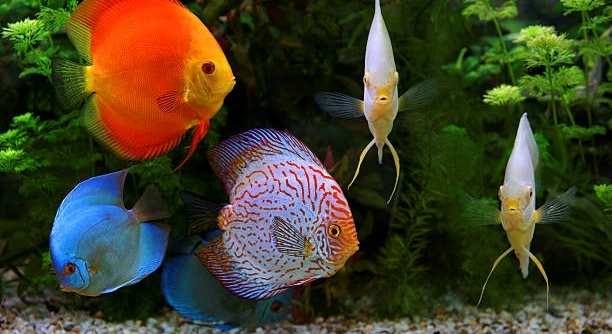
Are your discus fish showing unusual behavior lately? Many owners notice small changes that hint at bigger problems ahead. Understanding these shifts can help keep your fish healthy and thriving in their environment.
Discus fish exhibit specific behavior changes when they face stress, illness, or poor water conditions. Recognizing seven key behavior shifts allows for early intervention and prevents serious health issues, ensuring the wellbeing of these delicate aquatic pets.
Identifying these signs early makes a big difference in caring for your discus. This article highlights the important behaviors you should watch for to protect your fish.
Loss of Appetite
A sudden drop in appetite is one of the earliest signs your discus might be in trouble. When discus stop eating or eat less than usual, it often indicates stress or illness. This change can happen gradually or suddenly, and it’s important not to ignore it. Causes might include poor water quality, parasites, or improper diet. Observing your fish closely during feeding times can help catch this behavior early. Sometimes discus will refuse food for a day or two but recover quickly. However, if the loss of appetite lasts longer, it could lead to weakness and make your fish more vulnerable to disease. Keeping the tank clean and maintaining stable water parameters is key to preventing these issues. Sometimes, offering varied foods like frozen or live options encourages eating. Regularly checking water temperature, pH, and cleanliness supports your discus’s health and appetite.
Loss of appetite often signals stress or illness. Quick action can help restore your discus’s feeding habits and overall health.
Recognizing appetite changes early allows for prompt care adjustments. Feeding habits provide valuable insight into your discus’s wellbeing, helping you keep them healthy and active.
Erratic Swimming
Erratic swimming includes sudden darting, spinning, or floating oddly in the tank. When discus fish swim erratically, it usually points to discomfort or distress. This behavior can result from poor water conditions, infections, or even parasites irritating the fish. It may also indicate issues like swim bladder problems. Erratic swimming disrupts their normal calm and graceful movements, which are easier to spot because discus usually move smoothly. If your fish suddenly start swimming wildly or bump into tank objects, it’s time to check their environment. Testing water quality and temperature is crucial, as small changes can affect behavior. Infections often require treatment, so observing other symptoms helps decide if medication is needed. Creating a stable environment with gentle water flow reduces stress and helps your discus swim normally again.
Erratic swimming signals that your discus is uncomfortable. Adjusting tank conditions usually calms them down quickly.
Watching how your discus moves every day is important. It helps you notice when something is off, so you can fix problems before they worsen.
Clamped Fins
Clamped fins happen when your discus keeps its fins tightly against its body instead of spreading them out. This behavior often shows that the fish is stressed or sick. It can be caused by poor water quality, parasites, or sudden changes in the tank environment.
When discus clamp their fins, they may be trying to protect themselves or conserve energy. It often happens alongside other signs like loss of appetite or hiding. Checking your water parameters is the first step to help your fish feel better. Stable temperature, clean water, and low stress are important. Sometimes clamped fins improve once the fish recovers or conditions improve. If clamping lasts for days, it may mean a more serious health problem needing treatment.
To help your discus, avoid sudden changes and keep the tank peaceful. Adding plants or decorations for hiding spots may reduce stress and encourage normal fin movement.
Gasping at the Surface
Gasping at the surface is a clear sign your discus is struggling to get enough oxygen. This behavior usually indicates low oxygen levels or poor water quality in the tank. It can happen when filtration is weak or the tank is overcrowded.
Low oxygen makes it hard for fish to breathe normally. When discus gasp at the surface, they are trying to take in air from the water’s surface where oxygen is higher. This behavior can also mean ammonia or nitrite levels are too high, both of which are harmful. Regular water testing and partial water changes help keep oxygen and toxin levels safe. Increasing aeration or adding an air stone can improve oxygen flow. Overcrowding should be avoided as well, since too many fish consume oxygen quickly.
Watching for gasping helps catch oxygen issues early. Fixing water conditions usually helps your discus breathe easier and stay healthy.
Hiding More Than Usual
When your discus hides more than usual, it’s often a sign of stress or illness. They may retreat to corners or behind plants, avoiding activity or interaction with other fish.
This behavior can mean the environment feels unsafe or uncomfortable. Check water quality and tank conditions to reduce stress and encourage your fish to come out more.
Color Fading
Discus losing their bright colors can signal poor health or stress. Fading colors happen when water conditions decline, or the fish is fighting illness. Maintaining stable water quality and a balanced diet helps keep their colors vibrant.
If the fading continues, it’s important to check for disease or parasites, as these can drain the fish’s energy and affect their appearance.
Excessive Mucus Production
Excess mucus on discus skin usually means irritation or infection. It can be caused by parasites, bacteria, or poor water quality. Mucus acts as a protective layer but too much signals a problem.
Keeping the tank clean and treating infections early helps reduce mucus and keeps your fish healthy.
Isolation
Isolation is when a discus separates itself from the group. It might stay alone or away from other fish, which often shows sickness or stress. This behavior reduces social interaction and can worsen health issues.
FAQ
What causes discus to lose their appetite?
Loss of appetite in discus is usually caused by stress, poor water conditions, or illness. Changes in water temperature, high ammonia or nitrite levels, and overcrowding can all reduce their desire to eat. Parasites or infections can also make your fish feel unwell and stop eating. Sometimes, switching to a new type of food too quickly may cause them to refuse meals. To help, maintain stable water parameters and offer a variety of fresh foods like frozen or live options. Monitoring your discus closely will catch appetite loss early and give you a chance to correct the problem before it gets worse.
How can I tell if my discus is stressed?
Stress in discus is shown through behaviors like clamped fins, hiding more than usual, and erratic swimming. They may lose their bright colors or gasp at the water surface for oxygen. Sudden changes in the tank environment, poor water quality, or aggressive tank mates can cause stress. Keeping the tank clean, maintaining stable temperature and pH, and avoiding overcrowding are the best ways to reduce stress. Watch your fish daily to notice these subtle signs early and make adjustments quickly.
Why is my discus gasping at the surface?
Gasping at the surface usually means low oxygen levels or poor water quality. When oxygen is low, discus swim near the surface where oxygen is higher to breathe easier. High ammonia or nitrite levels can also irritate their gills, causing this behavior. Make sure your filter is working well and perform regular water changes. Adding an air stone or increasing water circulation can boost oxygen levels. Avoid overcrowding, as too many fish use oxygen quickly. Regular testing of water parameters helps prevent gasping problems.
What does it mean when my discus hides all the time?
If your discus hides more than normal, it is likely stressed or sick. They may feel unsafe or uncomfortable due to poor water conditions or sudden changes in their environment. Hiding can also happen if there are aggressive tank mates bothering them. Providing plenty of plants and hiding spots helps reduce stress. Check water quality and maintain consistent conditions to encourage your discus to be more active. If hiding continues, watch for other symptoms and consider consulting an expert.
How do I improve my discus’s color?
Bright colors are a sign of healthy discus. Color fading can be caused by stress, illness, or poor water quality. To improve color, keep water parameters stable and feed a nutritious diet rich in natural pigments like spirulina or krill. Avoid sudden changes in temperature or pH. Sometimes adding plants or dimming the tank lights can reduce stress and improve coloration. If fading persists, check for parasites or infections, as they can drain energy and dull colors. Patience and good care are key to bringing back their vibrant appearance.
Why does my discus produce excess mucus?
Excess mucus production usually means the fish’s skin is irritated or infected. Parasites, bacteria, or poor water quality can trigger this protective response. Mucus helps defend against harmful microbes but too much can make the fish uncomfortable and vulnerable. Clean your tank regularly and maintain good water quality to prevent mucus buildup. If you see other symptoms like clamped fins or lethargy, treatment might be needed. Early care can stop infections before they worsen.
Is it normal for discus to isolate themselves?
Discus are social fish but will isolate themselves if they feel sick or stressed. Isolation reduces their interaction with other fish and can signal health problems. When a discus stays alone, it might be weak or uncomfortable. Keep an eye on isolated fish for other signs like loss of appetite or clamped fins. Improving tank conditions and treating illnesses early often brings them back to the group. Social interaction is important for discus wellbeing, so isolation should not be ignored.
Keeping discus fish healthy can feel challenging, especially when they start showing unusual behaviors. These behavior changes are often the first signs that something might be wrong. Paying attention to how your discus acts every day helps you catch problems early before they become serious. Small shifts like hiding more, loss of appetite, or clamped fins should not be ignored. These signs give you clues about your fish’s health and the tank environment. By noticing them early, you can take steps to improve conditions and keep your discus comfortable.
Maintaining good water quality is one of the most important parts of discus care. Stable temperature, clean water, and balanced pH levels create the best environment for your fish. Many behavior issues come from poor water conditions, so regular testing and water changes are necessary. Avoid overcrowding your tank because too many fish can stress each other and reduce oxygen levels. Providing hiding spots and a calm environment also helps reduce stress. Feeding a varied and nutritious diet supports their health and makes them less likely to fall ill. Consistent care makes a big difference in how your discus behave and thrive.
If you notice any of the behavior changes discussed, act quickly but calmly. Observe your fish closely and test the water for any changes. Adjusting water parameters or treating illnesses early can often prevent bigger problems. Remember, discus are sensitive fish, so keeping a stable environment is key. With patience and regular care, your discus can stay healthy and show their natural beauty and peaceful behavior. Watching for these behavior shifts helps you give your fish the best chance to live long and happy lives in your tank.

Hello,
If you enjoy the content that we create, please consider saying a "Thank You!" by leaving a tip.
Every little bit helps us continue crafting quality advice that supports the health, happiness, and well-being of pets around the world, for pets of all shapes, sizes, and species.
We really appreciate the kindness and support that you show us!