
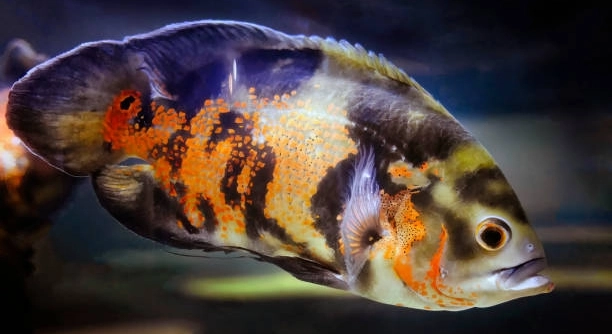
Oscar fish are popular aquarium pets known for their vibrant colors and lively personalities. However, providing them with the right diet can be challenging, especially for beginners. Many new owners make simple mistakes when it comes to feeding them.
The most common beginner mistakes with Oscar fish diets include overfeeding, feeding the wrong foods, and not offering a variety of nutrients. These mistakes can lead to health issues such as obesity, malnutrition, and digestive problems for your fish.
Correcting these feeding errors will not only improve your Oscar’s health but also make caring for them a more rewarding experience. We will help you navigate the right diet for your fish, ensuring they thrive in their tank.
Overfeeding Your Oscar Fish
Overfeeding is one of the most common mistakes made by beginner Oscar fish owners. These fish are known to have a big appetite, but feeding them too much can lead to obesity and poor health. When you overfeed your Oscar, the excess food doesn’t get eaten, leading to waste buildup in the tank and a potential spike in harmful toxins. This can result in water quality issues, which affect your fish’s overall well-being.
It’s essential to feed your Oscar only as much as they can consume within a few minutes. This will help keep their diet balanced and prevent overfeeding.
To avoid overfeeding, try feeding your fish two to three times a day, offering them just enough food that they can finish quickly. If there’s food left after a few minutes, remove it to avoid spoiling the water. Keeping track of feeding times and portion sizes is the best way to maintain a healthy Oscar.
Feeding the Wrong Foods
Oscar fish are carnivores, and feeding them the wrong type of food can lead to health problems. While they may eat some plant matter, their main diet should consist of high-protein foods. Offering a variety of protein sources is key for maintaining their health.
Some beginners make the mistake of feeding their Oscars mostly flakes or plant-based foods. This won’t provide them with the necessary nutrients they need. Opt for foods such as live or frozen fish, shrimp, or pellets specifically designed for carnivorous fish. These options help ensure your Oscar gets the protein they require for growth and strength.
If you rely too heavily on non-protein foods, your Oscar may experience stunted growth, weak immune systems, or even a lack of energy. Regularly varying their diet between different protein-rich options helps keep them healthy and active. Keep in mind that Oscars have big appetites, but feeding them the right foods ensures their long-term well-being.
Not Offering Enough Variety
Oscar fish can get bored and picky if their diet lacks variety. Offering a monotonous diet leads to them refusing food and can even cause nutritional deficiencies. Mixing up their meals is essential for keeping them happy and healthy.
A balanced diet for an Oscar should include a mix of live foods, frozen foods, pellets, and occasional treats like worms or insects. This variety ensures they receive all the necessary vitamins and minerals while keeping mealtime interesting. Feeding them different types of protein sources will also help avoid any potential digestive issues or deficiencies.
If you keep feeding the same thing day after day, your Oscar may stop eating altogether. The key to success is rotating their meals and offering a range of protein-rich foods. Additionally, occasionally providing treats can help improve your fish’s appetite and overall health. A varied diet not only benefits your Oscar’s nutrition but also keeps them engaged.
Neglecting Water Quality
Water quality is crucial for your Oscar’s health. Poor water conditions can lead to stress and disease. Regular water changes, proper filtration, and monitoring of pH levels are key for keeping your Oscar healthy.
Overfeeding your Oscar can cause water pollution, making it harder to maintain good water quality. This can result in the accumulation of harmful substances that stress the fish. Regularly test your water’s ammonia, nitrite, and nitrate levels to ensure they stay in a safe range. If these levels rise, change the water immediately to avoid any health issues.
Maintaining excellent water quality allows your Oscar to absorb nutrients from their food properly, ensuring they thrive in their environment. Keep an eye on your water conditions, as neglecting this can lead to serious complications for your fish’s health and well-being.
Feeding Inconsistent Portions
Inconsistent portions can harm your Oscar’s health. You should aim for balanced meals to prevent overfeeding or underfeeding. Consistent feeding times and portion sizes make all the difference.
Oscars require specific amounts of food depending on their size and age. Too much food can lead to obesity and water quality issues, while too little can cause malnutrition. It’s important to feed them according to their needs, adjusting as they grow. Always monitor their weight and adjust portions based on their activity level. This will help them stay healthy and energetic.
Ignoring Oscar’s Growth Stage
An Oscar’s diet needs to change as they grow. Baby Oscars require more frequent feedings, while adult Oscars need fewer meals. Understanding their changing needs is essential.
During the early stages of growth, Oscars need more protein and smaller meals to support their development. As they mature, the portion sizes should be increased, but the frequency of feedings should decrease. Feeding them the right amounts at different life stages helps avoid health problems related to improper nutrition. By adjusting their diet to fit their growth stage, you’ll ensure they thrive and reach their full potential.
FAQ
What are the best foods for Oscar fish?
Oscar fish are carnivores, so their diet should consist mostly of protein-rich foods. The best options include high-quality pellets designed for carnivorous fish, as well as live or frozen foods like shrimp, worms, and small fish. These types of food provide the necessary nutrients that Oscars need to grow and stay healthy. You can also occasionally offer them insects or other protein sources. Avoid feeding them too many plant-based foods, as this can lead to nutritional imbalances.
How often should I feed my Oscar fish?
Oscar fish should be fed 2-3 times a day. When they’re young, they need more frequent feedings, but as they grow, you can reduce the frequency to twice a day. The key is to give them only as much food as they can eat in a few minutes to avoid overfeeding and water quality issues. A consistent feeding schedule will help keep your Oscar healthy and prevent them from becoming overweight.
How much should I feed my Oscar fish?
The amount of food depends on the size of your Oscar. A general rule is to feed them an amount of food that they can consume within 2-3 minutes. You should aim for meals that provide adequate nutrition without leaving excess food that can spoil and affect water quality. If you’re unsure, start with small amounts and increase gradually based on your fish’s appetite. Keep an eye on their weight to ensure you’re feeding the right portions.
Can I feed my Oscar fish only pellets?
While pellets are an essential part of your Oscar’s diet, feeding them only pellets can lead to nutritional deficiencies. Oscars need a variety of foods to stay healthy. Supplementing pellets with live or frozen foods such as shrimp, worms, or small fish ensures they get the necessary nutrients. This variety will also help prevent your Oscar from getting bored and refusing to eat.
Is overfeeding bad for Oscar fish?
Yes, overfeeding is harmful to Oscar fish. When you feed them too much, excess food will not get eaten, leading to waste buildup in the tank. This can cause water quality issues and increase the chances of your fish becoming overweight or developing health problems like constipation. It’s important to feed them only what they can consume in a short period. Always remove any uneaten food from the tank to prevent it from affecting water quality.
How do I know if my Oscar fish is eating enough?
A healthy Oscar fish will actively eat when food is offered. If your Oscar is refusing food or showing signs of weight loss, it may not be eating enough. Monitor their behavior and weight closely. If they start looking thin or lethargic, you may need to increase their food portions or try offering a different type of food. Also, check their water quality, as poor conditions can make them reluctant to eat.
Can I feed my Oscar fish vegetables?
While Oscars are primarily carnivores, you can offer them small amounts of vegetables from time to time. Vegetables like peas, spinach, or zucchini can provide some additional fiber and nutrients. However, plant-based food should only make up a small portion of their diet, as they need a protein-heavy diet for proper growth and health. Always remove any uneaten vegetables after a few hours to prevent water contamination.
Should I fast my Oscar fish?
Fasting is sometimes used to help clear an Oscar’s digestive system or manage health issues like bloating. It’s not necessary to fast them regularly, but a day or two without food every few weeks can help keep their digestion healthy. If you’re concerned about overfeeding or if your fish isn’t feeling well, fasting can give their digestive system a chance to reset. However, don’t fast them too often, as Oscars need regular meals for growth and energy.
Can I feed my Oscar live fish?
Feeding live fish to your Oscar is a natural option that can mimic their diet in the wild. However, it’s important to ensure the live fish are healthy and free of parasites or diseases, as this could transfer to your Oscar. It’s best to offer small, feeder fish that are appropriately sized for your Oscar. Live fish are rich in protein, but they should not make up the entirety of their diet. Always keep in mind that feeding live fish can have risks, so it’s essential to consider both the benefits and potential downsides.
What should I do if my Oscar stops eating?
If your Oscar stops eating, it may be a sign of stress, illness, or poor water quality. First, check the water conditions, as poor water quality is a common cause of appetite loss. Also, make sure the food you’re offering is fresh and appealing. If the problem persists, consider consulting with an aquarium expert or veterinarian to rule out any health problems. It’s important to monitor your fish closely and provide a consistent, nutritious diet to encourage regular eating.
How can I prevent my Oscar from becoming overweight?
To prevent your Oscar from becoming overweight, it’s important to control their portions and avoid overfeeding. Stick to the recommended feeding times and amounts, ensuring that you remove any uneaten food after a few minutes. You can also provide a variety of foods to encourage a balanced diet, helping your Oscar stay active and healthy. Regularly monitor their weight and body condition to make sure they are not gaining excess fat.
Final Thoughts
When it comes to feeding your Oscar fish, it’s essential to understand their dietary needs and avoid common mistakes. Oscars are carnivores, meaning they require a diet rich in protein. Offering them the right foods, such as high-quality pellets, live or frozen fish, and shrimp, will help them thrive. While variety is important, it’s also crucial to avoid overfeeding or underfeeding, as both can lead to serious health issues. Stick to the recommended portion sizes and feeding schedule to ensure your Oscar stays healthy and active.
Maintaining good water quality is equally important for your Oscar’s well-being. Poor water conditions can make it harder for them to digest their food properly and can lead to stress, illness, or even death. Regular water changes and proper filtration will help you keep the water clean and free from harmful toxins. Make sure to test your water regularly to ensure it is safe for your fish. Without proper water care, even the best diet will not be enough to keep your Oscar in good health.
Finally, being consistent with your feeding routine and paying attention to your Oscar’s specific needs will go a long way in ensuring their long-term health. Oscars are hardy fish, but they still require proper care to live a long and healthy life. Adjust their diet as they grow, and don’t forget to monitor their weight and activity levels. By providing the right food, maintaining water quality, and keeping track of their health, you’ll be able to enjoy a happy, healthy Oscar fish for years to come.

Hello,
If you enjoy the content that we create, please consider saying a "Thank You!" by leaving a tip.
Every little bit helps us continue crafting quality advice that supports the health, happiness, and well-being of pets around the world, for pets of all shapes, sizes, and species.
We really appreciate the kindness and support that you show us!