
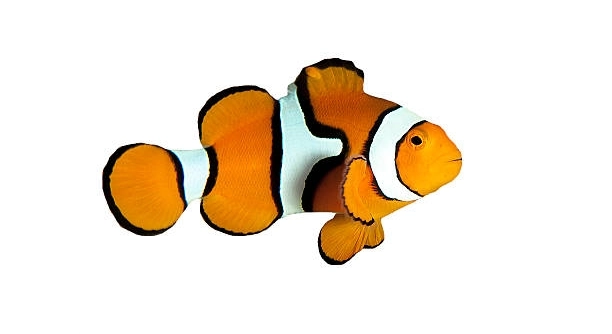
Pairing clownfish can be a rewarding experience, but beginners often encounter unexpected challenges. These mistakes can affect the health and harmony of your aquatic pets. Learning the common pitfalls helps in creating a better environment for clownfish.
Many beginner errors when pairing clownfish involve improper tank conditions, incompatible species combinations, and insufficient acclimation time. These factors can lead to stress, aggression, and even death among the fish, highlighting the importance of careful planning and monitoring.
Understanding these common mistakes is essential for improving your clownfish care. This article will guide you through key issues to avoid for a healthier, happier aquarium.
Overcrowding the Tank
Many beginners make the mistake of overcrowding their tank when pairing clownfish. Clownfish need enough space to establish their territory and reduce aggression. A crowded tank causes stress, which can lead to illness or fighting between fish. It is important to research the tank size suitable for the number of clownfish you want to keep. A tank that is too small also affects water quality, which harms the fish. Even if the clownfish seem peaceful at first, limited space can change their behavior quickly. Proper filtration and regular water changes are necessary to maintain a healthy environment. Taking these steps prevents many problems and helps clownfish thrive in captivity.
Too many fish in a small tank increase stress and aggression. Clownfish require adequate space and clean water for healthy interactions.
Creating a balanced environment with enough space encourages peaceful coexistence. Choose a tank size based on the species and number of clownfish. Keep the water clean and monitor fish behavior regularly. Reducing crowding minimizes conflict and improves overall fish health, making your aquarium more enjoyable and stable.
Incompatible Species Pairing
Pairing clownfish with incompatible species is a common mistake. Some fish are aggressive or territorial, which clashes with clownfish behavior. It is important to select tank mates that have similar temperaments and environmental needs. Avoid placing clownfish with large, aggressive fish that might bully or harm them.
Choosing the right species to live with clownfish ensures peaceful community tanks. Compatibility helps reduce stress and aggression, fostering a better environment for all fish.
Some species may appear peaceful but have hidden aggressive tendencies, which can harm clownfish. Researching compatibility before adding new fish prevents conflicts. Consider peaceful fish like certain damselfish or gobies as tank mates. Additionally, maintaining proper hiding spots and décor helps clownfish feel secure. This reduces stress and aggressive behavior. Balancing species in a tank supports a harmonious aquarium and promotes the wellbeing of clownfish alongside other aquatic life.
Improper Acclimation
Skipping or rushing the acclimation process causes stress and shock for clownfish. This can weaken their immune system and lead to illness.
Acclimation allows clownfish to adjust gradually to new water conditions such as temperature, pH, and salinity. Slowly introducing fish to the tank water over several hours reduces the risk of shock. Using drip acclimation or floating the bag in the tank are common methods. Rushing this process often leads to sudden changes in environment, which clownfish cannot tolerate well.
Proper acclimation supports the fish’s health and lowers mortality risk. Taking the time to acclimate shows respect for the fish’s needs and encourages long-term survival. It also helps prevent diseases linked to stress, making your aquarium more stable and peaceful.
Overfeeding the Clownfish
Overfeeding clownfish is a frequent mistake that causes poor water quality and health problems. Excess food decays quickly, raising ammonia levels and encouraging algae growth.
Feeding should be limited to small portions that the clownfish can consume within two to three minutes. Removing uneaten food helps maintain cleaner water and reduces the risk of disease. A varied diet including pellets, flakes, and frozen food supports balanced nutrition without overfeeding.
Monitoring feeding habits closely helps prevent obesity and digestive issues in clownfish. Maintaining good water conditions through proper feeding supports the overall aquarium ecosystem. Avoiding excess food protects both the fish and tank environment.
Neglecting Water Quality
Poor water quality is a major issue when pairing clownfish. Regular testing and maintenance are essential.
Ignoring ammonia, nitrite, and nitrate levels leads to stress and disease. Clean water keeps clownfish healthy and active.
Lack of Hiding Spaces
Clownfish need places to hide and feel safe. Without sufficient shelter, stress and aggression increase.
Providing rocks, coral, or anemones helps clownfish establish territory and reduces conflict. A well-decorated tank promotes natural behavior and comfort.
Ignoring Signs of Stress
Stress in clownfish shows as color fading, erratic swimming, or loss of appetite. Early detection is crucial.
Regular observation helps identify problems before they worsen. Addressing stress quickly improves fish health and prevents serious issues.
Poor Lighting Conditions
Lighting affects clownfish behavior and health. Inadequate or excessive light can cause stress.
Balanced lighting mimics natural conditions and supports the growth of beneficial organisms. Proper lighting improves overall tank stability.
FAQ
How many clownfish can I keep together in one tank?
The number of clownfish you can keep depends mainly on your tank size. Generally, one pair needs at least 20 gallons of water. Overcrowding causes stress and aggression. Larger tanks can support more clownfish, but it is important to provide enough hiding spaces and monitor their behavior closely. Introducing clownfish gradually also helps reduce conflicts.
What is the best tank size for clownfish?
A 20 to 30-gallon tank is suitable for a pair of clownfish. This size provides enough space for them to swim freely and establish territories. Bigger tanks offer more stable water conditions, which reduces stress. Smaller tanks increase the risk of water quality problems and aggressive behavior. Always consider your plans for tank mates before deciding on size.
Can clownfish live without anemones?
Yes, clownfish can live without anemones in captivity. While anemones provide natural shelter and protection in the wild, many clownfish adapt to living in tanks without them. They often use rocks or artificial decorations as hiding spots. Anemones require specific care and lighting, so it is not necessary to have them for healthy clownfish.
What should I feed my clownfish?
A varied diet is best for clownfish health. Offer high-quality pellets or flakes made for marine fish, supplemented with frozen or live foods like brine shrimp and mysis shrimp. Feeding small amounts two to three times a day prevents overfeeding and maintains water quality. Avoid feeding only one type of food to ensure balanced nutrition.
How do I prevent aggression between clownfish?
Aggression is often caused by overcrowding, incompatible species, or lack of space. Keeping only one pair of clownfish per tank and providing plenty of hiding spots helps reduce fighting. Introducing fish of similar size and temperament also lowers aggression. Observing their behavior regularly allows quick action if conflicts arise.
How often should I clean the tank?
Regular maintenance is crucial. Perform partial water changes of 10 to 20 percent every one to two weeks. Clean filters and remove uneaten food and waste to maintain water quality. Avoid cleaning the tank too thoroughly at once, as it can disturb beneficial bacteria important for the ecosystem.
Why are my clownfish hiding all the time?
Clownfish hide when they feel stressed or unsafe. Changes in water conditions, new tank mates, or loud noises can cause this behavior. Providing proper shelter and stable water quality helps them feel secure. If hiding persists, check for signs of illness or injury.
Can clownfish change gender?
Yes, clownfish are protandrous hermaphrodites, meaning they can change from male to female. In a pair, the dominant fish becomes female, while the other remains male. This natural process helps maintain a breeding pair. It is normal behavior and should not be a cause for concern in your tank.
What water parameters are ideal for clownfish?
Clownfish thrive in stable marine water with temperatures between 74°F and 79°F (23°C–26°C). Salinity should be maintained around 1.020 to 1.025 specific gravity. The pH level needs to be between 8.0 and 8.4. Regular testing ensures these parameters stay within safe limits, which supports fish health.
How long do clownfish typically live?
Clownfish can live up to 10 years or more with proper care. A healthy diet, clean water, and a stress-free environment contribute to their lifespan. Avoiding common mistakes like overcrowding and poor water quality increases the chances of long-term survival.
Is it necessary to quarantine new clownfish?
Quarantining new fish before adding them to the main tank helps prevent disease introduction. It allows observation for illness and reduces stress by providing a controlled environment. A quarantine period of two to four weeks is recommended, especially for beginners or those adding multiple fish.
What signs indicate my clownfish is sick?
Common signs include loss of appetite, faded colors, labored breathing, lethargy, and unusual swimming patterns. White spots or lesions may indicate parasites or infections. Early detection and prompt treatment are essential. Maintaining good water quality lowers the risk of illness.
Can clownfish live with other species?
Yes, clownfish can coexist with many peaceful marine species if chosen carefully. Avoid aggressive or much larger fish that may harm them. Suitable tank mates include gobies, blennies, and some damselfish. Compatibility depends on temperament, size, and environmental needs.
How do I encourage clownfish to breed?
Breeding clownfish requires stable water conditions, a mature healthy pair, and a proper diet. Providing a flat surface or breeding slate encourages egg laying. Reducing stress and maintaining excellent water quality are also critical. Breeding success can take time and patience.
Final thoughts are important when caring for clownfish, especially for beginners pairing them. These fish are beautiful and popular, but they need careful attention to thrive. Avoiding common mistakes like overcrowding, poor water quality, and incompatible tank mates will make a big difference. Creating a balanced environment with proper tank size, good filtration, and hiding spaces helps clownfish feel secure and reduces stress. Stress is one of the main causes of illness and aggression, so it is important to keep conditions stable.
Feeding clownfish properly is another key aspect of care. Overfeeding can harm water quality, while underfeeding affects their health. A varied diet with small portions promotes good nutrition and reduces waste buildup. Watching your fish closely for signs of stress or illness allows early action, improving their chances of recovery. Also, acclimating new clownfish slowly to their tank environment is necessary. Sudden changes in temperature, salinity, or pH can shock fish and lead to serious problems. Taking the time for gradual acclimation shows respect for the fish’s needs and encourages long-term success.
Pairing clownfish requires patience and knowledge. It is not just about putting fish together but understanding their behavior and requirements. Providing a calm environment with compatible species, clean water, and proper care supports peaceful relationships. Clownfish can live many years with the right attention, becoming rewarding additions to your aquarium. Remember, learning from experience and adjusting your approach is part of the process. Consistency in care and attention to detail will help you avoid beginner mistakes and enjoy a thriving clownfish tank.

Hello,
If you enjoy the content that we create, please consider saying a "Thank You!" by leaving a tip.
Every little bit helps us continue crafting quality advice that supports the health, happiness, and well-being of pets around the world, for pets of all shapes, sizes, and species.
We really appreciate the kindness and support that you show us!