
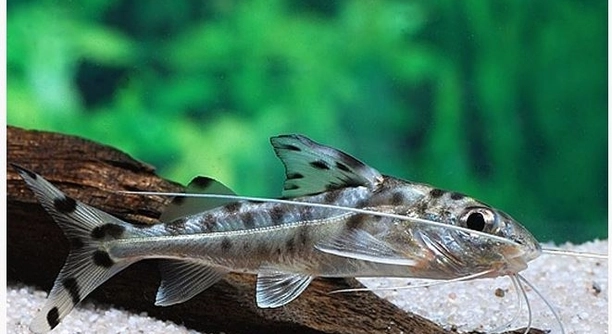
Pictus catfish are popular pets known for their peaceful nature and active swimming. Many new fish keepers find them interesting but sometimes make avoidable mistakes when caring for them. Understanding common errors helps ensure these catfish stay healthy and happy.
Several beginner mistakes can harm pictus catfish, including improper tank size, poor water quality, incorrect diet, inadequate hiding spots, and incompatible tank mates. These factors stress the fish, leading to illness and reduced lifespan if not managed properly.
Knowing these mistakes early on can protect your fish and improve your aquarium experience. Learning the basics will help you care for your pictus catfish with confidence.
Incorrect Tank Size
Many beginners don’t realize how much space pictus catfish need. These fish are active swimmers and need a tank that is at least 30 gallons to thrive. Keeping them in smaller tanks limits their movement and can cause stress. Stress weakens their immune system, making them more prone to diseases. Additionally, a larger tank helps maintain stable water conditions, which is vital for their health. Overcrowding should be avoided as it leads to poor water quality and aggressive behavior. Providing enough room allows your pictus catfish to swim freely and explore their environment comfortably. This simple step supports their well-being and encourages natural behavior. Proper tank size is one of the easiest ways to prevent many common problems and keep your fish healthy for a long time.
Smaller tanks often cause poor water quality, which stresses pictus catfish. A roomy tank prevents this issue effectively.
Choosing the right tank size shows care and helps your pictus catfish live a happier life. It also makes maintenance easier by stabilizing the water parameters. Consider how big these fish can get and how active they are before setting up your aquarium. Many keepers find their pictus catfish much more vibrant and lively once moved to a larger, properly sized tank.
Poor Water Quality
Dirty water harms pictus catfish quickly. These fish need clean, well-oxygenated water to stay healthy. Ammonia, nitrites, and nitrates must be kept low, as these chemicals build up from fish waste and leftover food. Without regular water changes, harmful substances can reach dangerous levels. Using a good filtration system and testing the water often helps keep these toxins in check. Beginners sometimes forget that even small changes in water quality can stress fish. This stress lowers their resistance to infections and can cause skin damage or fin rot. Maintaining consistent water parameters is essential for their long-term health and comfort.
Regular water testing prevents sudden water quality changes that can shock your fish.
To keep water clean, change 25-30% of the tank water weekly and remove uneaten food promptly. Avoid overfeeding since excess food decomposes and pollutes the water. Proper filtration is also crucial; choose a filter rated for your tank size and clean it regularly. Good water flow and aeration improve oxygen levels, which pictus catfish need for breathing. Learning to monitor water conditions reduces stress and illness in your fish. Many beginners find that a steady water care routine makes a noticeable difference in their pictus catfish’s activity and color. Clean water supports natural behaviors like swimming and foraging, creating a healthy environment for your fish to thrive.
Incorrect Diet
Feeding pictus catfish the wrong food can cause health problems. They need a balanced diet with protein-rich foods and occasional vegetables.
Pictus catfish are omnivores but prefer a diet high in protein. Offering sinking pellets, frozen or live bloodworms, and brine shrimp works well. Avoid feeding only flakes or plant-based foods, as this can lead to nutritional deficiencies. Overfeeding is also common and can pollute the tank water quickly. Feeding small amounts once or twice daily is enough to keep them healthy without stressing the filtration system. Including variety helps meet their dietary needs and keeps them interested in their food.
Some keepers like to supplement with fresh vegetables like zucchini or cucumber slices occasionally. These should be blanched to soften them. A good diet supports growth, energy, and vibrant colors in pictus catfish, making their care more rewarding.
Lack of Hiding Places
Pictus catfish need hiding spots to feel secure and reduce stress. Without places to retreat, they may become shy or stressed, affecting their health.
Adding caves, driftwood, and plants creates a safe environment. These elements mimic their natural habitat and give them shelter from bright lights or tank mates that may be more aggressive. Even if your fish seem active, hiding places help them rest and feel comfortable. Over time, they learn to use these areas when they need peace or protection. Providing enough cover supports natural behavior and reduces signs of anxiety. This also encourages them to explore more confidently during feeding and swimming.
Using a mix of live or artificial plants combined with rocks or ceramic caves works well. Arrange decorations thoughtfully so your fish have multiple retreat options. A well-decorated tank benefits not only pictus catfish but the entire aquarium community by reducing stress and aggression.
Incompatible Tank Mates
Pictus catfish do best with peaceful fish that won’t nip their fins. Aggressive or overly territorial tank mates cause stress and injury.
Avoid keeping them with large, aggressive species or fin-nippers like some barbs or cichlids. Peaceful community fish are a better choice to maintain harmony.
Overcrowding the Tank
Overcrowding leads to poor water quality and increased stress. It reduces oxygen levels and creates competition for food and space. Keeping too many fish in a tank can quickly overwhelm the filtration system.
A well-planned stocking level ensures each fish has enough room to swim and reduces the chance of illness. Less crowding means healthier, calmer fish with better growth and color.
Ignoring Water Temperature
Pictus catfish prefer water temperatures between 72°F and 78°F. Temperatures outside this range can cause stress and weaken their immune system. Keep a reliable aquarium heater and thermometer to maintain stable conditions. Sudden temperature changes should be avoided.
FAQ
What is the ideal tank size for pictus catfish?
The ideal tank size for pictus catfish is at least 30 gallons. These fish are active swimmers and need enough space to move around comfortably. A larger tank also helps maintain stable water quality, which is essential for their health. If you plan to keep a group of pictus catfish, consider increasing the tank size accordingly. Overcrowding in a small tank can stress the fish and cause health problems.
How often should I change the water in my pictus catfish tank?
You should change about 25-30% of the water weekly. Regular water changes help keep harmful chemicals like ammonia, nitrites, and nitrates at safe levels. Changing too little water can lead to poor water quality, while changing too much can cause stress due to sudden changes in water parameters. Always treat tap water with a water conditioner before adding it to the tank.
What should I feed my pictus catfish?
Pictus catfish need a protein-rich diet that includes sinking pellets, frozen or live bloodworms, and brine shrimp. They are omnivores but prefer more protein than plant matter. You can also offer blanched vegetables like zucchini or cucumber occasionally. Avoid overfeeding, as leftover food can pollute the tank. Feed small amounts once or twice a day to keep your fish healthy and active.
Can pictus catfish live with other fish?
Yes, but they do best with peaceful tank mates. Avoid aggressive or fin-nipping fish like some barbs or cichlids. Good companions include small tetras, rasboras, and other calm community fish. Make sure the tank is large enough to accommodate all fish comfortably. Providing hiding spots also helps reduce stress and prevent conflicts.
Why is my pictus catfish hiding all the time?
Pictus catfish may hide if they feel stressed or unsafe. Lack of hiding places, aggressive tank mates, or poor water quality can cause this behavior. Adding caves, driftwood, or plants gives them secure spots to retreat. Stress can also result from sudden changes in water temperature or poor diet. Ensuring stable conditions and a peaceful environment helps them feel comfortable.
What water temperature is best for pictus catfish?
Pictus catfish prefer water temperatures between 72°F and 78°F (22°C to 26°C). Keeping the temperature stable within this range reduces stress and supports their immune system. Use an aquarium heater and a reliable thermometer to monitor the temperature. Avoid sudden fluctuations, as these can weaken your fish and make them vulnerable to disease.
How can I tell if my pictus catfish is sick?
Signs of illness include lethargy, loss of appetite, clamped fins, faded color, spots or sores on the body, and unusual swimming behavior. Stress from poor water quality or tank conditions often leads to sickness. Regular observation and water testing help catch problems early. If you notice any symptoms, test water parameters first and consider consulting an aquatic veterinarian or experienced fish keeper for advice.
Is it okay to keep only one pictus catfish?
Pictus catfish are social and prefer living in groups of at least three or more. Keeping only one can cause loneliness and stress. In a group, they show more natural behaviors like schooling and active swimming. Providing enough space for multiple fish also reduces territorial behavior and improves overall tank harmony.
How do I set up a tank for pictus catfish?
Use a tank of at least 30 gallons with a secure lid, as pictus catfish can jump. Add a good filter and heater to maintain clean, stable water at 72°F–78°F. Decorate with hiding places like caves, driftwood, and plants. Use a soft substrate like sand or smooth gravel to protect their barbels. Regular water testing and partial water changes keep the environment healthy.
What are common mistakes to avoid when caring for pictus catfish?
Common mistakes include choosing a tank that is too small, poor water quality due to infrequent water changes, feeding an improper diet, not providing enough hiding spots, keeping incompatible tank mates, overcrowding, and ignoring water temperature. Avoiding these errors helps prevent stress and illness, ensuring your pictus catfish live a long, healthy life.
Taking care of pictus catfish can be very rewarding when the right steps are followed. These fish need proper attention to their environment, diet, and tank mates to stay healthy and active. Small mistakes made by beginners can cause problems, but they are easy to avoid once you understand what pictus catfish need. By providing enough space, clean water, a balanced diet, and safe hiding places, you create a comfortable home where they can thrive. It’s important to learn about their natural behavior and needs before setting up the tank to prevent stress and illness.
Water quality is one of the most important factors for pictus catfish health. Regular water changes and proper filtration help keep toxins like ammonia and nitrites at safe levels. Poor water conditions are often the main reason for illness in these fish. Keeping a consistent temperature in the tank between 72°F and 78°F also supports their immune system. Monitoring the water with test kits and observing your fish for any signs of stress or sickness will help you catch problems early. When water conditions are good, pictus catfish show more natural behavior and vibrant colors.
Finally, it is important to choose tank mates carefully and avoid overcrowding. Pictus catfish do well with peaceful fish that do not nip at their fins or behave aggressively. A roomy tank with hiding spots helps reduce stress and gives your fish places to rest and feel safe. Feeding a varied and protein-rich diet in the right amounts ensures they get the nutrients they need without polluting the water. With patience and proper care, pictus catfish can live long, healthy lives and become a lively addition to your aquarium. Taking the time to avoid beginner mistakes leads to a better experience for both the fish and the keeper.

Hello,
If you enjoy the content that we create, please consider saying a "Thank You!" by leaving a tip.
Every little bit helps us continue crafting quality advice that supports the health, happiness, and well-being of pets around the world, for pets of all shapes, sizes, and species.
We really appreciate the kindness and support that you show us!