
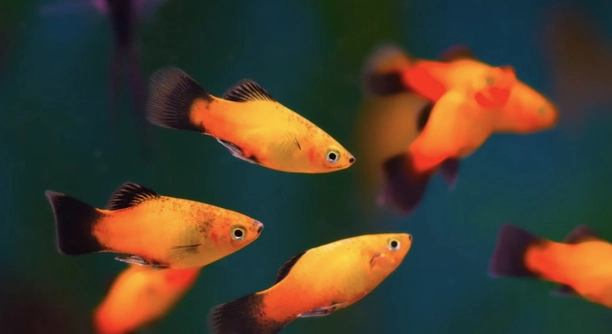
Many platies make popular aquarium pets due to their vibrant colors and easy care. However, certain habits can negatively impact their health without owners realizing it. Paying attention to these habits is important for maintaining their well-being.
Several common behaviors such as overfeeding, poor water quality, lack of proper tank maintenance, and unsuitable tank mates contribute to health problems in platies. These factors can lead to stress, disease, and shortened lifespan, affecting their overall vitality.
Recognizing and changing these harmful habits will help keep your platy healthy and thriving in its aquatic environment.
Overfeeding Your Platy
Overfeeding is one of the most common mistakes when caring for platies. It’s easy to want to give them plenty of food because they seem hungry and active. However, feeding too much can cause serious problems like obesity and poor water quality. Uneaten food sinks to the bottom of the tank and decomposes, leading to higher ammonia levels that stress fish and promote illness. A good rule is to feed only what your platy can eat in about two minutes, once or twice a day. Use small portions and watch how much they actually consume. This keeps your tank cleaner and your fish healthier. It also prevents excess waste, which can harm the beneficial bacteria that keep the tank’s ecosystem balanced. Feeding in moderation supports your platy’s digestion and natural activity without overloading the system.
Overfeeding can lead to digestive issues and toxic water conditions. Keeping portions small protects both fish and tank health.
Adjusting feeding habits ensures your platy remains active and disease-free. It helps maintain clear water and a balanced tank environment for all aquatic life.
Poor Water Quality
Water quality plays a critical role in your platy’s health. Dirty or unbalanced water can weaken their immune system and cause stress, making them vulnerable to infections. Regular water testing for ammonia, nitrites, and nitrates is necessary to catch problems early. Change 20-25% of the water weekly to remove toxins and replenish minerals. Avoid overcrowding your tank, as too many fish create more waste and increase water pollution. Using a reliable filter and cleaning it properly ensures waste is removed efficiently. Maintaining stable temperature and pH levels also supports their wellbeing. Sudden changes in water conditions can shock your platy, so gradual adjustments are best. Keeping water clean and balanced gives your fish a comfortable, healthy environment where they can thrive without disease risks or stress from harmful chemicals.
Ignoring Tank Maintenance
Neglecting regular tank cleaning can quickly lead to unhealthy conditions for your platy. Waste, uneaten food, and algae build-up affect water quality and fish health.
Consistent tank maintenance includes partial water changes, gravel vacuuming, and cleaning filters. These tasks remove harmful toxins and debris that accumulate daily. Even with a good filtration system, waste can build up in hidden areas, so cleaning prevents problems before they arise. Ignoring maintenance increases the risk of diseases and stress for your platy.
Establishing a weekly cleaning routine keeps the tank environment stable and comfortable. It also helps spot potential issues early, like disease symptoms or equipment problems. Taking time to maintain the tank protects your fish and promotes a longer, healthier life.
Keeping Incompatible Tank Mates
Choosing tank mates without considering compatibility can cause stress and aggression in platies. Some species compete for food or territory, leading to injury.
Platies are peaceful fish and do best with other calm species like tetras or mollies. Aggressive or much larger fish can bully them, causing stress that weakens immunity. Stress also disrupts feeding and normal behavior, affecting overall health. Planning the tank community carefully reduces conflicts and keeps your platy safe. Introduce new fish slowly and watch for signs of aggression to adjust if necessary. Ensuring compatible companions promotes a peaceful, balanced aquarium environment.
Sudden Changes in Water Temperature
Sudden shifts in water temperature can shock your platy. These changes cause stress and make fish more prone to illness.
Maintaining a stable temperature between 72°F and 78°F is ideal. Use a reliable heater and thermometer to monitor conditions constantly.
Using Chemicals Without Caution
Many water treatments and medications can harm your platy if used improperly. Always follow dosage instructions carefully and avoid mixing chemicals without guidance. Overuse or incorrect use can damage their delicate systems and disrupt beneficial bacteria in the tank.
Overcrowding the Tank
Too many fish in one tank increase waste and stress. Overcrowding lowers water quality and causes competition for food and space. Maintaining appropriate stocking levels supports healthier fish and a balanced aquarium.
FAQ
How often should I feed my platy?
Feeding your platy once or twice a day with small portions is enough. Give only what they can eat within two minutes to avoid overfeeding. Uneaten food pollutes the water and harms your fish.
What is the ideal water temperature for platies?
Platies thrive between 72°F and 78°F. Keep the temperature steady with a reliable heater. Sudden changes can stress them and cause health issues.
How often should I change the water?
Changing 20-25% of the tank water weekly helps remove toxins and maintain water quality. Regular partial water changes keep the environment safe and stable for your platy.
Can I keep platies with other fish?
Yes, but choose peaceful tank mates like tetras or mollies. Avoid aggressive or much larger fish, as they can stress or harm your platy.
What are signs of poor water quality?
Cloudy water, strong odors, algae overgrowth, and fish acting lethargic or gasping for air all suggest water problems. Test ammonia, nitrites, and nitrates regularly to catch issues early.
How do I clean my tank without stressing my platy?
Perform partial water changes rather than full cleanings. Use gentle gravel vacuuming and clean filters monthly. Avoid disturbing decorations too much to reduce stress.
Can overfeeding cause disease?
Yes. Overfeeding increases waste, leading to toxic water conditions that promote infections. It also causes digestive issues like bloating in platies.
What happens if I use too many chemicals in the tank?
Excess chemicals can damage fish organs and kill helpful bacteria that break down waste. Always follow instructions carefully and avoid mixing treatments unless recommended.
How do I know if my platy is stressed?
Signs include hiding, loss of appetite, faded colors, and unusual swimming patterns. Stress weakens the immune system and makes disease more likely.
Is it okay to keep platies in a small tank?
Platies need enough space to swim comfortably. A minimum of 10 gallons is recommended for a few platies. Smaller tanks can lead to poor water quality and stress.
Taking good care of your platy means paying attention to everyday habits that affect their health. Small mistakes like overfeeding or skipping regular tank maintenance can cause big problems over time. By understanding these common issues and making small changes, you can provide a better environment for your fish. Healthy habits not only help your platy live longer but also make the aquarium more enjoyable to watch.
Keeping water clean and stable is one of the most important things you can do. Regular water changes, testing water quality, and avoiding sudden temperature shifts create a safe and comfortable space for your platy. Choosing compatible tank mates and not overcrowding the aquarium also reduces stress and fighting. Fish that feel safe and unstressed are less likely to get sick. Simple care steps like these support your platy’s natural behavior and overall well-being.
It’s easy to think platies are low-maintenance, but they still need proper care to thrive. Being aware of the bad habits that can harm their health helps prevent many common problems. With patience and attention to detail, you can keep your platy active and vibrant. A healthy tank is a happier tank, and your platy will show its best colors when its needs are met. Consistent care is key to enjoying your aquarium for years to come.

Hello,
If you enjoy the content that we create, please consider saying a "Thank You!" by leaving a tip.
Every little bit helps us continue crafting quality advice that supports the health, happiness, and well-being of pets around the world, for pets of all shapes, sizes, and species.
We really appreciate the kindness and support that you show us!