
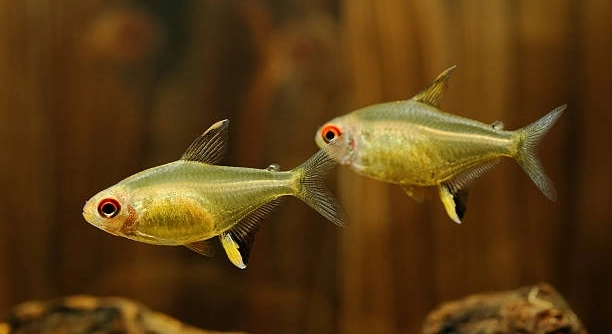
Are your arowanas thriving in their aquarium, or do you find yourself following every care tip without seeing the results you expected? Many common habits that seem helpful may actually cause more harm than good for these delicate fish.
Some of the most well-intentioned arowana care practices can backfire due to overfeeding, improper water changes, or excessive handling. Understanding the consequences of these actions is essential to maintaining a healthy environment and promoting the fish’s long-term wellbeing.
Recognizing which habits are harmful can save both time and stress, ensuring your arowanas remain healthy and vibrant in their tank.
Overfeeding Your Arowana
Overfeeding is a mistake many arowana owners make, believing that giving more food equals faster growth and a healthier fish. However, excessive feeding can lead to obesity, digestive problems, and poor water quality. Uneaten food sinks and decomposes, increasing ammonia and nitrite levels, which can stress or even kill your arowana. Feeding too often can also reduce the fish’s natural appetite and alter its behavior. To prevent this, it’s important to provide only the amount your arowana can consume in a few minutes. Monitoring feeding habits daily helps maintain a healthy balance. Rotate different types of food to ensure proper nutrition and avoid monotony, which can reduce interest in eating. Observing how your arowana responds after each meal will guide adjustments. Small portions spread over the week are better than large quantities at once. Proper feeding supports growth without compromising health or water quality.
Overfeeding can quickly deteriorate water conditions and impact your fish’s health. Stick to small, measured meals.
Maintaining a feeding schedule that aligns with the fish’s appetite prevents health issues. Observe its behavior and adjust portions carefully, focusing on quality nutrition rather than quantity. This approach reduces waste and keeps water cleaner, minimizing stress and disease risk. Regular checks of tank parameters help ensure that overfeeding does not silently harm your arowana.
Inconsistent Water Changes
Neglecting a regular water change schedule is more harmful than many realize. Even slight fluctuations in water quality can stress arowanas and trigger disease.
Regular water changes are essential to maintain stable conditions. Clean, filtered water supports healthy growth and prevents toxin buildup.
Arowanas are sensitive to changes in ammonia, nitrite, and nitrate levels. Inconsistent water changes allow waste to accumulate, leading to poor water quality. High ammonia levels can damage gills and affect respiration, while nitrates can weaken the immune system. Maintaining a consistent schedule, such as weekly partial water changes, helps stabilize the environment. Using a proper filtration system and monitoring water parameters regularly ensures the tank remains safe. Avoid large sudden changes, as this can shock the fish. Introducing clean, dechlorinated water gradually supports the arowana’s natural tolerance. Observing behavior and water clarity after each change helps fine-tune the routine, making it sustainable and effective for long-term health.
Excessive Tank Decorations
Too many decorations in the tank can restrict your arowana’s swimming space. Overcrowding the aquarium stresses the fish and can cause injuries or abnormal behavior.
Arowanas need ample open space to swim freely. Crowding the tank with rocks, plants, or ornaments may seem decorative but limits movement, increasing stress levels. Sharp or rough edges on decorations can cause physical damage. Fewer, carefully placed items allow natural swimming patterns and provide safe hiding spots without compromising space. Observing the fish’s swimming behavior helps identify if the layout is too restrictive. Open areas combined with minimal, functional decorations create a healthier environment. Arowanas are active and require room to exercise, which supports muscle development and reduces lethargy.
Removing unnecessary decorations and maintaining open swimming areas encourages natural movement. It also makes monitoring the fish easier, reducing stress from sudden movements or hidden threats.
Keeping a balance between aesthetics and functionality is crucial. Decorations should enhance the environment without interfering with daily activities or tank maintenance. Proper placement ensures hiding spots and resting areas while leaving enough room for swimming. Overcrowded tanks lead to competition for space, increasing aggression in some species. Open areas improve water circulation, which supports filtration efficiency and overall tank health. When rearranging, prioritize smooth, non-toxic materials and avoid sharp edges. Observing the fish over several days helps determine if the layout is suitable. Regular assessment ensures that both health and tank appearance are maintained.
Using Tap Water Without Conditioning
Direct tap water contains chlorine and other chemicals harmful to arowanas. Using it without treatment can lead to stress or illness.
Tap water must be treated to remove chlorine, chloramines, and heavy metals. Conditioning water ensures it is safe for sensitive fish.
Water conditioners neutralize harmful substances that can irritate gills or disrupt biological balance. Untreated water may cause long-term health issues, including weakened immunity. Testing water parameters after conditioning ensures safety and stability. Gradual introduction of treated water prevents sudden environmental changes, protecting the fish. Consistent use of conditioners helps maintain pH and mineral balance, which are essential for overall well-being. This simple step prevents preventable diseases and supports thriving arowanas in a controlled environment.
Overhandling Your Arowana
Frequent handling stresses arowanas and can damage their delicate scales. Touching them too often may lead to injuries or increase susceptibility to disease.
Handling should be minimal and only when necessary. Observing behavior through the tank is safer and keeps the fish comfortable.
Inadequate Tank Size
Arowanas grow large and require spacious tanks. Keeping them in small aquariums limits movement, stunts growth, and increases aggression. Proper tank size supports healthy development and natural behavior, reducing stress and promoting long-term health.
Ignoring Water Temperature
Consistently low or fluctuating water temperature weakens immunity. Maintaining stable, appropriate temperatures is critical for digestion, activity, and overall well-being of arowanas.
FAQ
What is the best way to feed my arowana without overfeeding?
Feeding small portions two to three times a day is usually sufficient. Offer only what the fish can consume in a few minutes. Rotate between pellets, live food, and frozen options to provide balanced nutrition. Observing appetite and behavior will help fine-tune portion sizes. Avoid leaving uneaten food in the tank.
How often should I perform water changes?
Weekly partial water changes of 20 to 30 percent are ideal. This keeps ammonia, nitrite, and nitrate levels under control. Skipping or performing inconsistent changes stresses the fish and can lead to disease. Always use dechlorinated, conditioned water to avoid sudden chemical shocks.
Can I use regular tap water without treatment?
No, untreated tap water contains chlorine, chloramines, and other chemicals harmful to arowanas. Always use a water conditioner to neutralize these substances. Testing water parameters before adding it to the tank ensures a safe environment. Gradually introducing treated water reduces stress.
Do arowanas need large tanks right away?
Yes, arowanas grow quickly and need ample space to swim freely. Small tanks stunt growth and increase aggression. A minimum of 250 liters is recommended for juveniles, while adults require at least 500 liters or more, depending on the species. Open swimming areas support healthy activity.
How can I tell if my arowana is stressed?
Signs of stress include rapid gill movement, clamped fins, reduced appetite, and unusual swimming patterns. Stress can result from poor water quality, overhandling, overcrowding, or sudden environmental changes. Addressing the cause quickly helps prevent long-term health issues.
Is it necessary to decorate the tank?
Minimal decoration is better. Arowanas need open space for swimming, with only a few safe hiding spots or smooth rocks. Too many ornaments restrict movement and increase stress. Observing swimming behavior can indicate whether the current setup is suitable.
How important is maintaining water temperature?
Very important. Arowanas are sensitive to temperature fluctuations. Keep water consistently between 24-28°C. Use a reliable heater and thermometer to maintain stable conditions. Sudden drops or spikes can weaken the immune system, reduce activity, and affect appetite.
Can I handle my arowana frequently?
Frequent handling is harmful. Only handle the fish when absolutely necessary, such as during tank cleaning or medical care. Overhandling increases stress and may damage scales. Observing the fish through the glass is safer and allows it to feel secure in its environment.
What should I do if my arowana stops eating?
Check water parameters first, including temperature, pH, ammonia, nitrite, and nitrate levels. Stress or illness often causes loss of appetite. Ensure the tank is properly sized and not overcrowded. Offer varied, high-quality food in small portions and monitor for improvement.
Are live foods better than pellets?
Both have benefits. Live foods stimulate natural hunting behavior and provide variety, but they can carry parasites. Pellets offer balanced nutrition and are safer long-term. A mix of both is ideal for maintaining health and interest in food.
How do I prevent injuries in my arowana?
Avoid sharp decorations and overcrowding. Ensure smooth tank surfaces and keep enough open swimming space. Minimize handling and sudden environmental changes. Proper care and observation reduce risks of physical injuries, promoting long-term health.
Can arowanas live in community tanks?
Only with careful planning. Arowanas are territorial and can be aggressive toward smaller or similarly sized fish. Large, compatible tank mates may work, but monitoring behavior is crucial. Prioritize space, hiding spots, and water quality to reduce conflicts.
What are common signs of poor water quality?
Cloudy water, strong odors, algae overgrowth, and unusual fish behavior indicate poor water quality. Test ammonia, nitrite, and nitrate levels regularly. Consistent maintenance, including filtration and partial water changes, prevents these issues and keeps arowanas healthy.
How do I encourage natural behavior in my arowana?
Provide open swimming areas, minimal but safe decorations, and varied food. Avoid frequent handling or sudden changes in the environment. Observing the fish and adjusting care practices ensures it can swim, hunt, and rest naturally.
Is it necessary to monitor pH and hardness?
Yes. Arowanas prefer slightly acidic to neutral water (pH 6.5-7.5). Hardness affects overall health and metabolism. Regular testing and adjustments using safe additives help maintain stable water chemistry, supporting growth and immune function.
How can I safely acclimate a new arowana?
Float the bag in the tank for 15-20 minutes to match temperature. Gradually mix tank water with the bag water over 30-60 minutes. Avoid sudden introduction, which can shock the fish. Proper acclimation reduces stress and promotes long-term adaptation.
What is the best filtration system for arowanas?
Strong, efficient filtration is essential due to their size and waste production. Canister filters or sump systems work well. Filtration must remove debris and maintain oxygen levels while avoiding strong currents that stress the fish. Regular maintenance ensures consistent performance.
How do I manage algae without harming arowanas?
Limit excess nutrients by controlling feeding and performing regular water changes. Use smooth surfaces and moderate lighting. Avoid chemical treatments unless safe for sensitive fish. Physical removal with a soft brush or scraper helps maintain a clean tank without stressing the arowana.
What common mistakes should I avoid as an arowana owner?
Overfeeding, inconsistent water changes, small tanks, excessive handling, untreated tap water, overcrowded decorations, and unstable temperature are frequent mistakes. Awareness and preventive measures ensure the fish remains healthy, active, and less prone to disease over time.
Caring for an arowana requires attention to detail and consistent habits. These fish are sensitive to their environment, and even small mistakes can have long-lasting effects. Overfeeding, inconsistent water changes, and improper tank setups are common practices that can inadvertently harm your fish. Recognizing these potential issues and adjusting your routine accordingly is essential for the health and longevity of your arowana. Providing balanced nutrition, maintaining stable water parameters, and ensuring enough swimming space are foundational steps that contribute to a thriving aquatic environment. Small, thoughtful adjustments can prevent many problems before they start, allowing your arowana to grow and develop naturally. Observing the fish’s behavior and responding to changes is just as important as following basic care guidelines.
Establishing a proper care routine is key to reducing stress and improving overall wellbeing. Minimal handling, consistent water conditioning, and careful decoration placement all create a safer, more comfortable habitat for the fish. Arowanas are active and intelligent, and their health depends heavily on the environment you provide. By avoiding common mistakes like overcrowding or abrupt temperature changes, you create a stable atmosphere that supports natural behavior and proper growth. Even routine tasks, such as feeding or cleaning, should be approached with care and awareness of their impact. Gradually introducing new foods, monitoring tank chemistry, and maintaining consistent schedules all help prevent avoidable issues. Taking these steps not only keeps your arowana healthy but also reduces stress for you as the owner, as problems are less likely to develop unexpectedly. Small, consistent efforts in care routines are far more effective than occasional intensive measures.
Long-term success with arowanas comes from understanding their specific needs and respecting their sensitivity. Ensuring open swimming areas, proper nutrition, and stable water conditions will foster natural activity and reduce the risk of disease. Observing the fish daily allows you to detect subtle signs of stress or illness early, which is crucial for timely intervention. Arowanas respond well to calm, consistent care, and a carefully maintained environment promotes both physical and behavioral health. By staying attentive and making thoughtful choices, you can prevent many common care mistakes from taking hold. The goal is to provide a balanced, stable, and safe environment where your arowana can thrive. With patience and diligence, you can enjoy the presence of a healthy, active fish while avoiding the habits that often backfire, ensuring long-term satisfaction for both you and your arowana.

Hello,
If you enjoy the content that we create, please consider saying a "Thank You!" by leaving a tip.
Every little bit helps us continue crafting quality advice that supports the health, happiness, and well-being of pets around the world, for pets of all shapes, sizes, and species.
We really appreciate the kindness and support that you show us!