
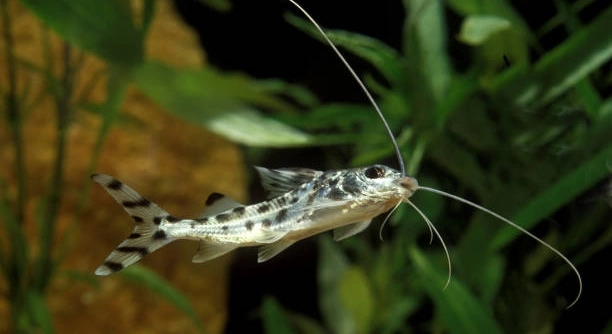
Creating a tank solely for pictus catfish offers a unique aquascaping challenge. These active fish need plenty of space and suitable hiding spots to thrive. Setting up the right environment helps them feel secure and display natural behaviors.
When designing a pictus-only tank, it is essential to balance open swimming areas with shaded retreats. Using smooth stones, driftwood, and soft plants supports their activity level and sensitivity. Proper layout ensures health and reduces stress in these fish.
This guide covers practical tips that improve both tank aesthetics and fish well-being. Following these ideas can create a peaceful, attractive habitat for your pictus catfish to enjoy.
Choosing the Right Substrate
Selecting the proper substrate is a key step for pictus-only tanks. These fish prefer soft, smooth surfaces since they spend much time near the bottom. Rough or sharp gravel can damage their sensitive barbels. Fine sand or smooth rounded gravel works best to protect them while allowing natural digging behavior. A light-colored substrate also helps showcase their markings and enhances tank brightness. When adding substrate, keep a depth of about two to three inches to support plant roots and create natural hiding spots. Cleaning the substrate regularly is necessary to prevent buildup of waste, which could affect water quality and fish health. Balancing aesthetic appeal with functionality ensures a healthy and comfortable environment for your pictus catfish.
Maintaining a clean and safe substrate contributes significantly to the fish’s well-being. This simple choice impacts their activity and overall tank harmony.
By carefully choosing and caring for the substrate, you provide a comfortable base that supports both plant life and the natural habits of your pictus catfish. It creates a stable foundation for a lively, healthy tank environment.
Selecting Compatible Plants
Plants in a pictus-only tank should be hardy and gentle on fish. Species like Java fern, Anubias, and Cryptocoryne thrive without sharp leaves that might injure the fish. These plants tolerate lower light and help maintain water quality by absorbing excess nutrients. Floating plants can provide shade and reduce stress, mimicking natural conditions. Avoid plants with delicate leaves or thorns that could harm the sensitive barbels of pictus catfish. Providing a mix of anchored and floating plants helps create layers of hiding places and open swimming areas. Regular trimming prevents overgrowth and maintains balance. Proper plant selection improves the tank’s aesthetics while supporting fish health and comfort, making the habitat more natural and engaging for your fish.
Proper Lighting Setup
Lighting should be moderate to low for pictus-only tanks. Bright lights can stress these fish since they prefer shaded environments. Using adjustable LED lights allows control over intensity and duration, helping mimic their natural habitat.
Maintaining a lighting schedule of about 8 to 10 hours daily supports plant growth without overwhelming the fish. Too much light encourages algae growth, which can reduce water quality and tank aesthetics. Soft lighting also helps the pictus catfish feel secure and encourages natural behavior like active swimming and exploring. Using floating plants or dimmers to filter light can create gentle shadows, improving fish comfort.
Proper lighting balances plant health and fish well-being. It supports a calm environment where pictus catfish can thrive without stress from excessive brightness.
Creating Hiding Spots
Pictus catfish need plenty of hiding spots to feel safe. Driftwood, rocks, and dense plant clusters serve as ideal shelters. These hiding places reduce stress and encourage natural resting behavior.
Using natural materials helps create a realistic and comfortable habitat. Driftwood provides both cover and a surface for beneficial bacteria, which improves water quality. Smooth rocks arranged in small caves or crevices give pictus catfish places to retreat when they feel threatened or want to rest. Dense plant areas offer additional protection and mimic their natural riverbed environment. Combining these elements encourages fish to explore and settle, reducing aggression and promoting a peaceful tank. Regularly inspecting hiding spots ensures they remain safe and free from sharp edges. A well-planned arrangement of shelters helps your pictus catfish feel secure and content in their environment.
Water Temperature and Quality
Pictus catfish thrive in temperatures between 74°F and 79°F. Maintaining stable water conditions is crucial for their health and activity levels.
Regular water changes and a reliable filtration system help keep ammonia and nitrate levels low. Clean water reduces stress and prevents illness.
Tank Size and Swimming Space
A minimum tank size of 30 gallons is recommended for pictus-only setups. These fish are active swimmers and need plenty of open space to move freely.
Providing wide, unobstructed swimming areas encourages natural behavior and reduces aggression. Avoid overcrowding to maintain a peaceful environment where pictus catfish can thrive.
Feeding Habits
Pictus catfish are omnivores with a preference for live or frozen foods. Offering a balanced diet supports their health and vibrant appearance.
Monitoring Fish Behavior
Keeping an eye on pictus catfish behavior helps detect early signs of stress or illness. Changes in swimming or eating habits require prompt attention.
FAQ
How often should I clean a pictus-only tank?
Cleaning frequency depends on tank size and fish load, but generally, a partial water change of 20-30% every week or two is ideal. Regular gravel vacuuming helps remove waste and prevents buildup of harmful substances. Over-cleaning can disrupt beneficial bacteria, so balance is key.
What types of food are best for pictus catfish?
Pictus catfish enjoy live or frozen foods like bloodworms, brine shrimp, and daphnia. High-quality sinking pellets or wafers designed for bottom feeders are also good. Supplementing with occasional vegetable matter supports a balanced diet. Feeding small portions twice a day prevents overfeeding and water pollution.
Can pictus catfish live with other fish?
Pictus catfish prefer peaceful tank mates that won’t compete aggressively for space. Ideal companions include tetras, rasboras, or small gouramis. Avoid slow-moving or long-finned fish, as pictus may nip fins. In a pictus-only tank, this concern is eliminated, making social behavior easier to manage.
What water parameters are best for pictus catfish?
They thrive in water with a pH between 6.5 and 7.5 and moderate hardness. Temperature should be stable around 74°F to 79°F. Regular testing and adjustments ensure water quality remains optimal, reducing stress and disease risk.
How do I encourage natural behavior in pictus catfish?
Providing ample swimming space, shaded areas, and hiding spots encourages activity and reduces stress. Feeding varied diets and maintaining clean water also help them display natural behaviors like foraging and exploring.
Why do my pictus catfish hide so much?
Excessive hiding may signal stress from poor water quality, improper lighting, or lack of hiding places. Ensuring the tank environment suits their needs and limiting disturbances helps them feel secure and more active.
What is the best way to acclimate pictus catfish to a new tank?
Slow acclimation reduces shock. Float the sealed bag in the tank for 20-30 minutes to match temperature, then gradually add tank water to the bag over an hour before releasing the fish gently. This process helps them adjust to new water conditions safely.
How do I prevent algae buildup in a pictus-only tank?
Controlling light duration to 8-10 hours, avoiding overfeeding, and maintaining regular water changes keep algae in check. Including live plants competes with algae for nutrients, helping reduce its growth naturally.
What signs indicate a sick pictus catfish?
Look for loss of appetite, lethargy, clamped fins, abnormal swimming, or visible spots and sores. Early detection and prompt treatment with proper medication and water quality adjustments increase recovery chances.
Can I breed pictus catfish in a home aquarium?
Breeding pictus catfish is challenging due to their specific needs. They require excellent water conditions, ample space, and suitable spawning sites like caves. Raising fry demands careful feeding and water management. Most hobbyists focus on care rather than breeding.
This FAQ covers common concerns for maintaining a healthy pictus-only tank. Clear answers help create an ideal environment where these fish can thrive and remain active.
Creating and maintaining a pictus-only tank can be a rewarding experience. These fish are lively and interesting to watch, but they do have specific needs. Paying close attention to their environment helps them stay healthy and comfortable. Choosing the right substrate, plants, and hiding spots makes a big difference in how well they adjust and thrive. It’s important to balance open swimming space with places where they can feel safe. This setup supports their natural behavior and reduces stress, which is key to their well-being.
Water quality and temperature play an essential role in keeping pictus catfish healthy. Regular water changes, good filtration, and stable temperature help prevent illness and promote activity. Feeding them a varied diet of live, frozen, and sinking foods keeps them strong and colorful. Watching their behavior closely can alert you to any problems early on. Small changes in eating or swimming habits can mean the fish need extra care. Being consistent in tank maintenance and monitoring fish health creates a peaceful environment where pictus catfish can thrive.
Overall, a pictus-only tank requires attention and care but offers a unique and enjoyable aquarium experience. By following the basic tips for substrate, plants, lighting, and hiding spots, you provide a habitat that meets their needs. Remember to maintain proper water conditions and feed them well for long-term health. With patience and routine care, your pictus catfish will stay active and happy, making your tank a lively and attractive display. Taking these steps ensures that your aquascape supports both the fish and the overall tank ecosystem.

Hello,
If you enjoy the content that we create, please consider saying a "Thank You!" by leaving a tip.
Every little bit helps us continue crafting quality advice that supports the health, happiness, and well-being of pets around the world, for pets of all shapes, sizes, and species.
We really appreciate the kindness and support that you show us!