
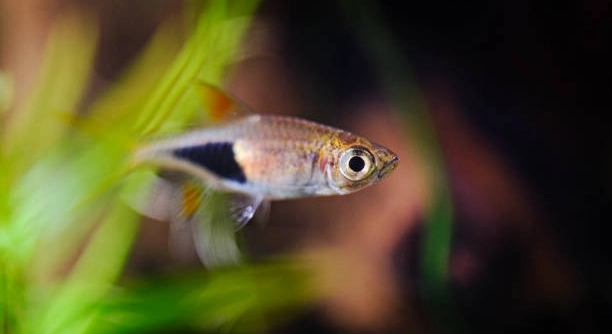
Active Rasboras are lively fish that thrive in well-planned aquascapes. Creating a suitable environment for them means balancing plants, hiding spots, and open swimming areas. Each design should support their active nature while maintaining a visually appealing tank.
Successful aquascape designs for active Rasboras incorporate dense plant clusters, smooth swimming spaces, and natural decorations. These elements create a habitat that encourages natural behaviors, reduces stress, and promotes overall health, ensuring the fish remain vibrant and engaged.
Exploring different designs can help you find the perfect balance for your aquarium’s unique needs and your Rasboras’ happiness.
Minimalist Plant Layout
A minimalist plant layout focuses on simplicity and open spaces for active Rasboras to swim freely. This design uses a few tall plants along the back and sides of the tank, leaving the center mostly open. The plants provide shelter and resting areas without crowding the swimming space. Popular choices include Vallisneria and Amazon sword plants, which are easy to maintain and create vertical interest. Smooth gravel or sand substrate keeps the bottom clean and safe for the fish. Adding a small driftwood piece near the plants can create a natural look and offer additional hiding spots. This layout is ideal for those who prefer a clean, modern aesthetic while still meeting the needs of active Rasboras. It balances activity space with a sense of security, reducing stress and encouraging natural behavior. This simple design is also easier to maintain, making it practical for beginners or busy keepers.
The minimalist layout ensures your Rasboras have plenty of swimming room with essential shelter and low maintenance.
This design keeps the tank visually clean and promotes active swimming, which is crucial for Rasboras’ health and happiness. It’s a great starting point for anyone wanting to create a balanced habitat without too much complexity. The open area helps the fish avoid feeling crowded, while the plants provide comfort and natural hiding places. This layout also allows easy access for cleaning and plant care, keeping the tank stable and healthy over time.
Dense Jungle Style
A dense jungle style aquascape mimics the Rasboras’ natural environment by filling the tank with a variety of plants and decorations. This setup uses many different species, like Java fern, Anubias, and Cryptocoryne, creating a thick, layered look. The dense planting offers numerous hiding spots and breakwaters, which help reduce aggression and stress among the fish. Driftwood and rocks add structure and enhance the natural feel. Lighting is kept moderate to encourage plant growth without promoting algae overgrowth. This style creates a dynamic environment where Rasboras can explore and interact with their surroundings safely.
This densely planted tank supports natural behavior and provides excellent protection for active Rasboras.
The jungle style aquascape creates a rich environment for Rasboras to feel secure and stimulated. The thick plants serve as both cover and hunting grounds for small insects or food particles, engaging their natural instincts. The multiple layers of plants create a complex space where fish can find privacy or socialize as needed. Driftwood and rocks offer shelter and resting spots, breaking up open swimming areas and reducing stress. Lighting and plant selection must be balanced carefully to avoid rapid algae growth, which can harm the tank’s health. This style requires more maintenance and attention but rewards with a lively, natural-feeling habitat that encourages activity and well-being in Rasboras.
Open Swim Zone
Creating an open swim zone gives active Rasboras plenty of space to move freely. It focuses on clearing the center area of the tank while keeping plants and decorations near the edges.
This design emphasizes a large, open swimming area in the middle of the tank. Plants and decorations are arranged around the perimeter to avoid crowding. This allows Rasboras to swim in schools without obstruction, which is essential for their natural schooling behavior. Using low-profile plants near the front and taller ones at the back preserves visibility and maintains a sense of depth. Substrate remains smooth and clean to prevent injury during fast swimming.
This layout suits Rasboras’ energetic nature by providing wide, clear paths for movement. It helps reduce stress caused by confinement and encourages natural social interaction. The open swim zone is visually pleasing and can make your aquarium look larger. Minimal obstacles also make maintenance easier, as debris is less likely to accumulate in the swimming area. This approach supports healthy exercise and liveliness in your fish.
Driftwood and Rock Features
Driftwood and rock features add structure and natural appeal without taking up too much space. These elements offer hiding places and resting spots.
Strategically placed driftwood and rocks break up the open space and create visual interest in the tank. These features mimic natural underwater environments where Rasboras seek shelter from predators or rest between swimming sessions. Driftwood also encourages beneficial bacterial growth, which aids tank health. Rocks should be smooth and free of sharp edges to prevent injuries. Positioning these elements near plants enhances the overall aquascape while providing multiple zones for the fish to explore. The combination of hardscape and plant life encourages a balanced ecosystem.
Including driftwood and rocks makes the tank more natural and functional for active Rasboras. These features support behavioral needs by offering safe retreats and resting areas. They help reduce stress and improve the fish’s overall comfort. With a well-planned arrangement, the tank feels both spacious and cozy. This balance is essential to maintaining healthy, happy Rasboras. Proper placement also ensures the aquascape remains easy to clean and manage.
Floating Plants Zone
Floating plants provide shaded areas and soften the tank’s lighting. They create a natural feel while giving Rasboras places to hide near the surface.
These plants also help reduce algae by limiting light penetration. Common choices include duckweed, water lettuce, and frogbit. They add movement and texture to the aquascape without crowding swimming space.
Natural Leaf Litter Bed
Leaf litter beds mimic forest floors and create a cozy, natural environment. They provide hiding spots and encourage beneficial microfauna growth.
Using dried Indian almond or oak leaves releases tannins that slightly acidify water, benefiting Rasboras’ health. The decomposing leaves also supply natural food sources and enrich the substrate, making the tank more dynamic and supportive of your fish’s needs.
Vertical Plant Walls
Vertical plant walls maximize space by growing plants upward along tank walls. This leaves more open swimming room for Rasboras.
FAQ
What plants work best for active Rasbora aquascapes?
Plants that offer both shelter and open swimming space work best. Tall plants like Vallisneria and Amazon sword provide vertical cover, while shorter plants such as Java fern and Anubias add texture without overcrowding. Floating plants like frogbit create shade and reduce bright light, helping Rasboras feel secure.
How much swimming space do Rasboras need?
Active Rasboras need plenty of open water to swim in groups. A clear center area at least half the tank’s floor space is ideal. This space lets them exhibit natural schooling behavior and stay healthy by exercising regularly.
Can driftwood and rocks be harmful to Rasboras?
Driftwood and rocks are safe as long as they have smooth edges. Sharp or rough surfaces can injure the fish. Also, driftwood can help maintain water quality by encouraging beneficial bacteria, but it should be properly cleaned before adding it to the tank.
Is lighting important for Rasbora aquascapes?
Lighting should be moderate to support plant growth without stressing the fish. Too much light encourages algae, while too little hinders plants. Floating plants help control light levels by shading the tank, creating a balanced environment.
How often should I maintain my Rasbora tank?
Weekly maintenance, including water changes of 20-30%, helps keep water quality high. Trimming plants and cleaning substrate prevents debris buildup. Open swim zones make cleaning easier and reduce places where waste accumulates.
Are there special water conditions Rasboras prefer?
Rasboras prefer slightly acidic to neutral water, around pH 6.5 to 7.0, and soft to moderately hard water. Tannins from leaf litter can naturally adjust pH and benefit their health. Stable temperature around 74-80°F supports their activity and well-being.
What’s the best substrate for Rasbora tanks?
Fine gravel or sand works well, providing a safe bottom for Rasboras to swim near. Avoid sharp or coarse substrates that can damage their delicate fins. Light-colored substrate helps highlight their colors and keeps the tank bright.
How many Rasboras should I keep together?
Rasboras are schooling fish and thrive in groups of at least six. Larger groups reduce stress and encourage natural behavior. Keeping fewer than six can cause anxiety and reduce their activity.
Can I mix Rasboras with other fish?
Rasboras generally get along with peaceful tank mates of similar size. Avoid aggressive or very large species. Good companions include small tetras, guppies, and peaceful bottom dwellers like Corydoras catfish.
Do Rasboras need hiding places?
Yes, hiding places help reduce stress and allow Rasboras to rest safely. Dense plants, driftwood, and rock features create these spots. Providing multiple hiding zones throughout the tank improves their comfort.
How do I prevent algae growth in a planted Rasbora tank?
Balance lighting and nutrients to avoid algae. Regular water changes and proper filtration help keep algae in check. Floating plants and moderate light levels reduce excess growth by limiting light penetration.
Should I use fertilizers for plants in Rasbora tanks?
Using fertilizers is beneficial if your plants show slow growth or pale colors. Choose ones safe for fish, and apply sparingly to avoid water quality issues. Root tabs help nutrient-hungry plants grow well without affecting water chemistry.
Can Rasboras live in small tanks?
Small tanks under 10 gallons are not ideal for Rasboras because they need space to swim and school. A minimum 20-gallon tank provides enough room for proper aquascaping and group activity.
How do I encourage natural behavior in Rasboras?
Providing a mix of open swim areas and dense plant zones encourages exploring, schooling, and resting. Varied decorations and hiding spots stimulate their instincts, keeping them active and healthy.
What’s the best way to introduce Rasboras to a new tank?
Acclimate them slowly by floating the bag in the tank water to equalize temperature, then gradually mix tank water into the bag over an hour. This reduces shock and helps them adjust to water conditions safely.
How do I keep Rasboras healthy long-term?
Maintain stable water parameters, feed a balanced diet, and provide a clean, well-planted environment. Regular tank care and observing fish behavior help catch issues early, ensuring your Rasboras stay vibrant and lively.
Creating the right aquascape for active Rasboras is important to support their natural behavior and overall health. These fish need space to swim freely as well as places to hide and rest. Balancing open areas with plants and decorations helps create an environment where they feel safe and comfortable. When planning your tank, it’s helpful to consider how much room your Rasboras will need to move around and how the layout will affect their activity. A well-thought-out design can reduce stress and encourage lively schooling, which is key to their happiness.
Different aquascape styles can suit active Rasboras, from minimalist layouts to dense jungle setups. Each approach has its advantages depending on the space you have and how much time you want to spend maintaining the tank. Minimalist designs keep things simple with open swimming zones and fewer plants, making care easier. On the other hand, dense plantings offer more hiding spots and mimic natural habitats, which some Rasbora keepers prefer. Incorporating natural elements like driftwood, rocks, and floating plants enhances the tank’s balance and gives your fish places to explore. Choosing the right combination depends on your goals for the tank and the needs of your fish.
Maintenance is a crucial part of keeping your Rasbora tank healthy. Regular water changes, plant trimming, and substrate cleaning prevent waste buildup and maintain water quality. Keeping light levels balanced and controlling algae growth ensures plants and fish thrive together. Also, understanding your fish’s specific water preferences, such as pH and temperature, helps create a stable environment. By observing your Rasboras’ behavior and adjusting the aquascape or tank conditions as needed, you can support their long-term well-being. Thoughtful aquascaping combined with proper care leads to a beautiful, functional aquarium where your active Rasboras can flourish.

Hello,
If you enjoy the content that we create, please consider saying a "Thank You!" by leaving a tip.
Every little bit helps us continue crafting quality advice that supports the health, happiness, and well-being of pets around the world, for pets of all shapes, sizes, and species.
We really appreciate the kindness and support that you show us!