
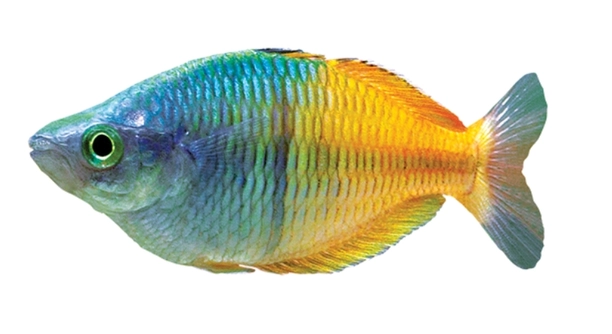
Rainbow fish are known for their vibrant colors, which can range from soft pastels to bold, eye-catching hues. These colors not only enhance their beauty but also play important roles in their behavior and survival in the wild.
Rainbow fish can display an array of vivid colors, including red, blue, yellow, and green. These colors serve various functions such as attracting mates, signaling danger, and camouflaging with the environment. Their color-changing ability is influenced by genetics and environmental factors.
Understanding the role of color in rainbow fish behavior can provide insight into how they interact with their surroundings. The fascinating variety of shades and patterns they can display will be explored further in the article.
The Role of Color in Attraction and Mating
Rainbow fish display striking colors to attract potential mates. Bright hues are often a sign of good health and genetic strength, making them more appealing to other fish. In many species, males are particularly colorful during mating season, using their vibrant colors to stand out and compete for attention. This is especially true for fish like the rainbowfish, where the males show off their best shades to display their fitness.
Colors are not just random. They evolve to ensure the survival and reproduction of the species. The bright colors, though beautiful, are a clear indicator of the fish’s overall health and vitality. A healthy fish will often display brighter and more vibrant colors than one that is sick or stressed. This helps to ensure that the most suitable mate is chosen, increasing the chances of healthy offspring.
Rainbow fish often rely on this visual cue to find mates. Bright colors help them communicate their strength and readiness to reproduce. This visual appeal is important to their survival, ensuring the next generation carries on these stunning traits.
Camouflage and Protection
Colors can also help rainbow fish avoid predators. By blending in with their environment, they can make it harder for predators to spot them.
Some rainbow fish species are capable of shifting their colors to match their surroundings, especially in areas with plants or coral. This ability helps them remain undetected in the wild. It is a form of protection that plays a key role in their survival.
Color Changes Due to Stress
Rainbow fish can experience noticeable color changes when they are stressed. Stressors like changes in water temperature, poor water quality, or the presence of other aggressive fish can cause these color shifts. When they feel threatened, their vibrant colors may fade, signaling discomfort or distress.
This color change is an indication that the fish is not in its optimal environment. In some cases, the colors may become duller or shift toward darker shades. This is often a sign that the fish is struggling to adapt to its surroundings, or it may be reacting to aggressive behavior from tank mates.
Ensuring a stable, clean environment for rainbow fish is crucial for maintaining their color. By addressing stressors, you can help the fish return to their bright, healthy hues. Monitoring their surroundings and behavior closely can lead to more vibrant and happier fish.
The Impact of Diet on Color
Diet plays a significant role in the color of rainbow fish. A balanced, nutrient-rich diet can help enhance their natural colors, especially the reds, yellows, and blues.
Feeding rainbow fish with high-quality foods that contain carotenoids, like shrimp, can boost the intensity of their red and orange hues. These foods provide the necessary nutrients to support the vibrant coloration of the fish. A poor diet lacking in essential vitamins and minerals can lead to dullness in their colors, making them appear pale or washed out.
To keep rainbow fish looking their best, provide them with a varied and balanced diet. This will ensure that their vibrant colors stay bright and appealing.
Natural Habitat and Color Influence
Rainbow fish colors are heavily influenced by their natural habitat. In the wild, they adapt to the conditions around them, which can affect their hue. Factors like water clarity, light levels, and the type of vegetation present can enhance or dull their colors.
In shallow waters, where sunlight is plentiful, the fish’s colors tend to be brighter to help attract mates. Conversely, in murkier or deeper waters, their colors may appear less vibrant as they blend in with their environment. The availability of different substrates and plant life can also impact their coloring.
How Age Affects Coloration
As rainbow fish age, their colors can change, often becoming more intense or, in some cases, fading.
Older fish might display deeper hues as they mature, especially if they are healthy and well cared for. However, some species may show signs of color fading as they near the end of their life.
FAQ
How can I enhance the color of my rainbow fish?
To enhance the colors of your rainbow fish, focus on providing a healthy diet and maintaining a stable environment. Foods rich in carotenoids, like shrimp and other colorful fish foods, will intensify the red, yellow, and orange hues. A clean, stable aquarium with consistent water parameters (pH, temperature, and hardness) will also ensure that your fish can maintain vibrant colors. Adding live plants and proper lighting can also bring out the best in their natural hues.
Do rainbow fish lose their colors in the dark?
Rainbow fish will not completely lose their colors in the dark, but their vibrancy can diminish. They typically display more vibrant colors when exposed to light, as it helps bring out their natural hues. In low light, their colors may appear more muted, but they will still retain their basic color patterns. Providing consistent lighting in the aquarium can help maintain their vivid appearance.
What does it mean when rainbow fish colors fade?
When rainbow fish display faded colors, it often indicates stress or poor health. Factors like improper water conditions, temperature fluctuations, or aggression from other fish can lead to color fading. A poor diet lacking essential nutrients can also result in dullness. Check the water quality and diet to address these issues, and ensure that your fish are in a stress-free environment.
Can rainbow fish change their color over time?
Yes, rainbow fish can change their color over time, particularly in response to their environment, age, or health status. Males may become more vibrant during breeding seasons to attract mates, while their colors might fade during stressful situations. As fish age, their colors can become deeper or more intense, but in some cases, they may fade if they are not in optimal health.
Why do male rainbow fish have brighter colors than females?
Male rainbow fish typically have brighter and more vibrant colors than females to attract mates. The brighter colors signal good health and strong genetic traits, which females use to select the best mate. This is common in many species of fish, where males display their most attractive features during mating seasons to improve their chances of reproduction.
How do water conditions affect the color of rainbow fish?
Water conditions have a significant impact on the color of rainbow fish. Ideal water parameters—such as stable temperature, pH, and hardness—are crucial for maintaining vibrant colors. Poor water quality, such as high levels of ammonia or nitrites, can cause stress, leading to color fading. Regular water changes and proper filtration can help ensure the water conditions support the fish’s natural beauty.
Are there specific rainbow fish species that display more colors?
Yes, some species of rainbow fish naturally display more colors than others. For example, the Boesemani rainbow fish is known for its vibrant orange and blue hues, while the Lake Tangen rainbow fish features stunning yellow and blue shades. Each species of rainbow fish has its own distinct coloring, but all rainbow fish are known for their bright, colorful appearances.
Do rainbow fish change color due to age?
Yes, rainbow fish colors can change as they age. Younger fish may not display their full color potential until they reach maturity. As rainbow fish grow older, their colors can become more intense, particularly if they are in good health and their environment is suitable. However, in some cases, older fish may show signs of color fading.
What lighting is best for rainbow fish to show their colors?
Rainbow fish benefit from bright, natural lighting that mimics their natural environment. LED lights with a color temperature of around 6500K can help bring out the full spectrum of colors in rainbow fish. Avoid overly dim or harsh lighting, as it can cause stress or fail to highlight their vibrant hues. Proper lighting, combined with a balanced diet and stable water conditions, will ensure your rainbow fish look their best.
Do rainbow fish show color changes when stressed?
Yes, stress can cause rainbow fish to lose their bright colors. When a fish is stressed, it may not have the energy to display its usual vibrant hues. Stressors such as poor water quality, overcrowding, or aggressive tank mates can lead to duller or more muted colors. Identifying and resolving the stress factors will often help restore their colors.
Can rainbow fish adapt to different tank environments and still retain their colors?
Rainbow fish are fairly adaptable and can adjust to different tank environments, but maintaining their colors requires careful attention to water quality and tank conditions. Fish kept in tanks with proper lighting, clean water, and appropriate tank mates will retain their vibrant colors. Significant changes in their environment—such as sudden temperature drops or poor water quality—can cause them to lose their vibrant hues. It’s important to recreate their natural habitat as closely as possible for the best results.
How does diet affect the colors of rainbow fish?
Rainbow fish are highly dependent on a balanced, nutrient-rich diet to display their best colors. Foods rich in carotenoids, such as high-quality flakes or pellets containing shrimp, can enhance their red and orange pigments. Fish that do not receive enough nutrients may show signs of color dullness or fading. Regular feeding with a variety of foods, including live or frozen options, will support their color development.
Can rainbow fish change their color to blend in with their environment?
Yes, rainbow fish can adapt their color to blend with their environment to some extent. This ability helps them avoid predators by providing camouflage. In tanks with plants and other natural elements, rainbow fish may darken or dull their colors to match the surroundings. However, they can’t completely change color like some other fish species.
Final Thoughts
Rainbow fish are known for their vibrant and stunning colors, which are one of the main attractions for aquarium owners. Their ability to display a range of hues depends on several factors, including diet, environment, and stress levels. Understanding how each of these elements plays a role in the fish’s appearance is essential for maintaining their beauty. By providing a stable environment, proper care, and a balanced diet, you can help ensure that your rainbow fish will thrive and show their most vibrant colors.
Maintaining optimal water conditions is crucial for rainbow fish. These fish are sensitive to changes in their environment, and any fluctuations in water temperature, pH, or hardness can cause them to lose their brightness. Regular water changes, proper filtration, and monitoring water quality will help keep them healthy and colorful. Additionally, stress from aggressive tank mates or overcrowding can cause rainbow fish to lose their vibrant hues. Creating a peaceful environment and giving them plenty of space to swim will support their overall well-being and colorful appearance.
The role of diet cannot be overlooked when it comes to enhancing the colors of rainbow fish. Foods rich in carotenoids, such as shrimp or high-quality fish food, can help intensify their red, yellow, and orange tones. A varied diet that includes live or frozen foods can further contribute to their health and appearance. By focusing on providing the right food and creating a stress-free environment, rainbow fish owners can enjoy watching their fish display their full, vibrant potential.

Hello,
If you enjoy the content that we create, please consider saying a "Thank You!" by leaving a tip.
Every little bit helps us continue crafting quality advice that supports the health, happiness, and well-being of pets around the world, for pets of all shapes, sizes, and species.
We really appreciate the kindness and support that you show us!