
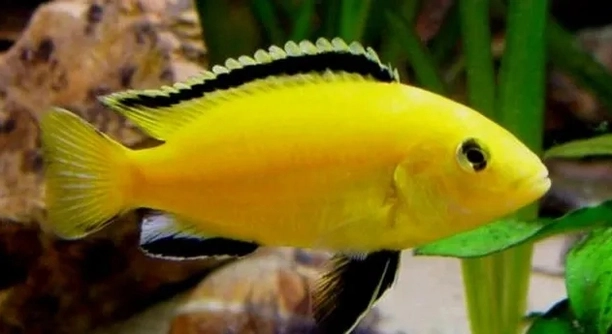
African cichlids are popular aquarium fish known for their vibrant colors and interesting behaviors. Watching their body movements can tell you a lot about their mood and health. Understanding these signals helps create a better environment for them.
African cichlid body movements communicate different states such as aggression, submission, mating readiness, and stress. These physical cues are essential for social interaction and survival within their aquatic habitat, reflecting complex behavioral patterns.
Recognizing these movements allows you to better care for your fish and improve your aquarium experience. Learning what each gesture means can make observing your cichlids even more rewarding.
Tail Quivering
When African cichlids quiver their tails, it usually signals excitement or readiness to mate. This behavior often happens when males display to attract females or when they defend their territory. Tail quivering is a quick, repetitive movement that grabs attention, showing the fish’s intentions clearly. In some cases, it can also mean the fish feels threatened and is trying to warn others. Watching this behavior can help you understand if your fish is preparing to breed or is feeling uneasy in the tank. Paying attention to the context of the tail quivering, like nearby fish or changes in the environment, gives clues about its exact meaning. It’s one of the many ways cichlids communicate without words, using body language to express their feelings and social status. Knowing these signs helps you respond appropriately, keeping your aquarium peaceful and healthy.
Tail quivering is a clear sign of alertness and communication in African cichlids. It shows excitement or caution depending on the situation.
Observing this movement closely can help identify when your cichlid is ready to mate or feels threatened. Adjusting tank conditions or separating aggressive fish when you see tail quivering may prevent stress and conflict.
Fin Spreading
Fin spreading is a common display among African cichlids used to show dominance or aggression. When a cichlid spreads its fins wide, it tries to look bigger and more intimidating to others nearby. This behavior often happens during territorial disputes or when a fish wants to establish its place in the social hierarchy. The fins are held out in a steady, firm position to emphasize strength. This gesture helps avoid fights by warning others before any physical confrontation. It is important to watch for repeated fin spreading as it could lead to aggression. If the fish in your tank frequently spread their fins, you might need to reconsider tank size or fish grouping. This body movement is also seen during courtship, but mostly it signals power and control in their environment.
Fin spreading shows strength and dominance in cichlids, helping them avoid unnecessary fights.
Understanding fin spreading helps keep your aquarium balanced by managing social tensions and preventing injuries from conflicts.
Head Bobbing
Head bobbing is a clear sign of aggression or dominance among African cichlids. It is a slow, repetitive movement used to warn other fish nearby. This behavior usually happens when a fish feels its territory is being challenged or during disputes over hierarchy.
Head bobbing is a way for cichlids to assert control without engaging in physical fights. It lets others know to back off or risk conflict. In a crowded tank, this behavior may increase, signaling stress or overcrowding. Watching how often your cichlid head bobs can help identify tension points in the aquarium, prompting changes like rearranging decorations or adjusting tank mates.
Sometimes, head bobbing is part of mating behavior, where males show off to females. But in most cases, it signals warning or challenge. Recognizing this helps manage your fish’s environment and prevent harmful fights that could injure them.
Gill Flaring
Gill flaring is a defensive behavior where African cichlids spread their gill covers wide to appear larger. This is often used to intimidate rivals or threats without physical contact. The wider the gills flare, the stronger the warning signal.
Gill flaring helps maintain peace in the tank by avoiding direct fights. It shows the fish’s readiness to defend itself or its territory. Repeated gill flaring might mean stress, especially in smaller tanks or with aggressive fish nearby. If you notice frequent gill flaring, consider providing more hiding spots or increasing tank space. This behavior also happens during courtship but usually indicates tension. Understanding gill flaring allows you to keep your cichlids comfortable and reduce conflicts before they escalate.
Body Shaking
Body shaking in African cichlids is usually a sign of discomfort or irritation. It can indicate stress caused by poor water quality or parasites.
Sometimes, body shaking happens after aggressive encounters. Observing this behavior can help you check your tank’s health and fish well-being.
Color Change
African cichlids often change color to communicate their mood or status. Bright colors typically show health and confidence, while dull colors can signal stress or illness. Color change also plays a role during mating, where males display vivid hues to attract females and warn rivals.
Swimming in Circles
Swimming in circles is often a sign of curiosity or exploring. However, repetitive circular swimming can also indicate stress or neurological issues in cichlids.
FAQ
Why does my African cichlid spread its fins so often?
Fin spreading is a natural behavior that shows dominance or territorial claims. Your cichlid is likely trying to look bigger to warn others in the tank. If it happens a lot, it could mean the fish feels threatened or that your tank might be too small or crowded. Providing enough space and hiding spots can help reduce this behavior.
What does tail quivering mean in my cichlid?
Tail quivering usually signals excitement, often related to mating or territorial display. It can also be a warning if the fish feels threatened. Watching the context of this movement helps you understand if your cichlid is ready to breed or feeling stressed.
Is head bobbing a sign of aggression?
Yes, head bobbing is a slow, repetitive movement that indicates aggression or dominance. It is used to warn other fish without physical fighting. Frequent head bobbing can mean tension or overcrowding in your aquarium.
Why is my cichlid flaring its gills?
Gill flaring is a defensive display to look bigger and warn others away. It helps avoid direct fights but signals that your fish feels threatened or stressed. If it happens often, check tank conditions and reduce stress factors.
Can color changes mean illness in African cichlids?
Yes, color changes can indicate stress, illness, or poor water quality. Bright colors usually show good health, while dull or faded colors may signal a problem. Keep water clean and stable to maintain your fish’s vibrant colors.
What does body shaking indicate in my cichlid?
Body shaking can mean irritation, stress, or parasites. If you notice this behavior, check water quality and look for signs of disease. Improving tank conditions often reduces shaking.
Why does my cichlid swim in circles repeatedly?
Swimming in circles can show curiosity but repeated circular swimming might point to stress or neurological problems. It’s a good idea to monitor your fish and tank conditions if you see this often.
How can I reduce aggression shown through these body movements?
Provide plenty of space, hiding spots, and keep tank mates compatible. Proper tank size and environment reduce stress and aggressive displays. Observing your fish’s body language helps catch problems early.
Are all these movements normal in African cichlids?
Yes, most of these behaviors are normal communication methods. They reflect mood, health, and social status. Understanding them improves care and keeps your aquarium balanced.
When should I worry about these behaviors?
Worry when movements are extreme, repetitive, or combined with signs of illness like loss of appetite or lethargy. Persistent aggressive behavior may require tank changes or separating fish to avoid harm.
African cichlids use their body movements to communicate a lot about their feelings and status. Watching these signals helps understand what your fish might be experiencing, whether it’s stress, aggression, or readiness to mate. Paying attention to how your cichlids move can give clues about their health and the environment in your tank. When you notice behaviors like fin spreading, tail quivering, or gill flaring, it means the fish is trying to send a message to others around it. This kind of communication is normal for these fish and plays a big part in how they interact with each other.
Knowing what these body movements mean helps in taking better care of your cichlids. For example, if you see frequent head bobbing or gill flaring, it might mean the fish feels threatened or crowded. This can be a sign to check your aquarium setup. Making sure the tank has enough space and hiding places can reduce stress and aggression. Clean water and a good diet also keep your fish healthy and less likely to show signs of discomfort. By understanding these signals, you can make small changes that greatly improve your fish’s well-being.
Overall, watching and learning your cichlids’ body language makes caring for them easier and more rewarding. It allows you to create a peaceful environment where your fish can thrive. These movements are natural parts of their behavior and help them live in a social group. When you respond to their signals properly, you help prevent problems like fighting or illness. Taking the time to observe and understand these signs makes your aquarium a better place for both you and your fish.

Hello,
If you enjoy the content that we create, please consider saying a "Thank You!" by leaving a tip.
Every little bit helps us continue crafting quality advice that supports the health, happiness, and well-being of pets around the world, for pets of all shapes, sizes, and species.
We really appreciate the kindness and support that you show us!