
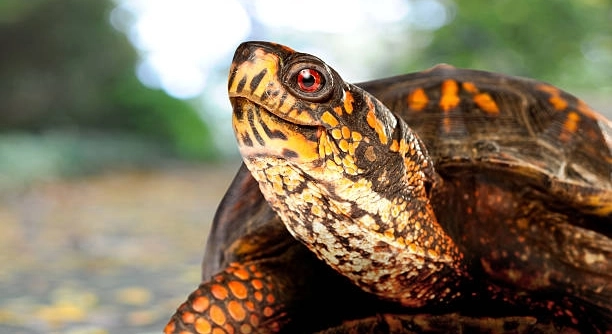
Box turtles need proper hydration to thrive, but monitoring their hydration levels can be tricky. Understanding how to care for them ensures they stay healthy and happy in their environment. Here are some tips to help you along the way.
The most effective way to monitor box turtle hydration is by observing their behavior, checking their skin texture, and maintaining a consistent water source. Regularly measuring their hydration levels through these methods ensures their health and helps prevent dehydration.
Knowing how to monitor your box turtle’s hydration will help you spot issues before they become serious. Understanding these techniques can make a real difference in your turtle’s well-being.
Monitoring Behavior for Hydration Clues
Box turtles are known for their slow, calm movements, but changes in their activity can signal hydration issues. If your turtle becomes sluggish, hides more than usual, or shows a lack of interest in food, it may be dehydrated. Turtles typically remain active during the day and can roam, but a decrease in these behaviors is a red flag. By paying close attention to their energy levels, you can catch signs of dehydration early. When a turtle isn’t moving much or has an unusually dry shell, it could be trying to conserve moisture.
Behavior changes are not always a clear sign of dehydration, but they’re an important factor in identifying the issue. A turtle’s behavior should be consistent for the most part, and any noticeable shifts might be worth investigating further.
By maintaining a close watch on your turtle’s typical habits, you can easily identify hydration problems and address them before they become serious.
Checking Skin and Shell Texture
Another way to monitor hydration is by examining your turtle’s skin and shell. If the skin appears wrinkled or the shell feels dry and rough, your turtle might not be hydrated enough. When hydrated, a box turtle’s skin should look smooth and soft. If there’s a lack of moisture, it could also lead to shedding issues. The shell should remain firm and smooth with a healthy, shiny appearance. Dryness can cause cracks and make the turtle more vulnerable to infections.
Box turtles are sensitive to dehydration, and their outer layers reflect their internal state. If you notice any rough patches on the skin or shell, it’s time to assess their water access and environment. You might need to provide additional humidity or increase water intake. Proper hydration promotes overall health and prevents skin and shell issues from becoming more severe.
Importance of Consistent Water Source
Providing a constant and clean water source is essential for box turtles. They rely on drinking water, as well as absorbing moisture from their environment. A shallow dish of water should always be available, and it should be changed daily to avoid contamination. Make sure the water dish is accessible, as turtles tend to drink more easily when they can access it without effort. A lack of water or poor water quality can easily lead to dehydration.
It’s not just about having water available. You should also consider the water’s temperature. Room-temperature water is typically best, as cold or hot water can discourage your turtle from drinking. Be sure the dish is large enough for them to soak in if they choose, as soaking also helps in hydration. Adding a small amount of moss or leaf litter around the water source can also improve humidity levels, encouraging the turtle to drink and stay hydrated.
By taking these precautions, you can maintain the hydration levels your turtle needs to stay healthy and active. Regularly check the water source and make adjustments as needed for optimal hydration.
The Role of Humidity in Hydration
Humidity plays a significant role in the hydration levels of box turtles. Keeping the humidity at the right level helps your turtle absorb moisture through their skin. In the wild, they often live in humid areas, which is why replicating similar conditions in their habitat is important. A humidity level of 50% to 70% is generally ideal for most box turtles. If the air is too dry, they may struggle to maintain their hydration.
Adding a humidity monitor to your turtle’s enclosure is an easy way to keep track. You can adjust the humidity by misting the environment, adding a humidifier, or using a substrate that retains moisture. Keeping the habitat at the proper humidity level ensures that your turtle has access to moisture both through the air and through their drinking water. This is especially important in dry or heated environments, where the air can dry out quickly.
If humidity is consistently low, dehydration may occur more quickly, leaving your turtle at risk for various health issues, including skin problems and lethargy. Ensure that both water availability and humidity are maintained at ideal levels for the health of your box turtle.
Using a Hydration Monitoring Tool
Investing in a moisture meter or hydration monitoring tool can help track your box turtle’s hydration. These devices measure the moisture level in your turtle’s environment, ensuring it remains within the ideal range. Regular checks with a tool make it easier to prevent dehydration.
Moisture meters are simple to use and can be placed in the substrate or water to check hydration levels. For the best results, use these tools in combination with other methods, such as observing your turtle’s behavior and checking its skin. The readings from a moisture meter provide a more accurate measure of the habitat’s humidity, ensuring that the turtle is living in an optimal environment.
These tools are especially helpful in maintaining consistent moisture levels in the habitat. Having a device that automatically alerts you when moisture drops below the desired level can be a real game-changer, helping to reduce the risk of dehydration.
Soaking to Aid Hydration
Soaking is a simple but effective method to boost your box turtle’s hydration. Submerge your turtle in shallow, room-temperature water for about 15 to 20 minutes. This allows the turtle to absorb moisture through its skin, which is a natural way to hydrate.
If your turtle shows signs of dehydration, soaking can be a quick solution. It’s important not to leave them in the water for too long to avoid stress. Doing this a few times a week, especially in dry weather, ensures they stay hydrated and healthy. The turtle should be placed in a shallow container where it can walk out of the water at its own pace.
During the soaking process, monitor your turtle for signs of stress or discomfort. After soaking, dry the turtle gently with a soft cloth before returning it to its enclosure. This method is particularly beneficial when the water source in the habitat isn’t sufficient, or if the humidity levels are low.
Providing a Natural Environment
Replicating the turtle’s natural environment is key to keeping it hydrated. Box turtles typically live in humid forest environments, so adding plants, moss, and other natural elements can help boost humidity. This creates a more comfortable environment where your turtle can absorb moisture from the air and soil.
You can also add a shallow, wide water dish that allows the turtle to soak if it wishes. Adding leaf litter or live plants will help maintain moisture and keep the environment humid. The more you can mimic the turtle’s natural habitat, the better its hydration will be. Keep the substrate moist, but not soaking wet, to prevent excessive humidity.
It’s important to make sure that there’s enough space for the turtle to move around comfortably. A natural setting doesn’t just help with hydration, it also offers the turtle enrichment and a stress-free space. Maintaining this environment will also help the turtle feel safe and secure in its habitat.
Observing Urination Patterns
A box turtle’s urination pattern can be a good indicator of hydration. If your turtle isn’t urinating regularly or the urine appears unusually thick or concentrated, it could be a sign of dehydration. Regular urination is key to maintaining their internal balance and hydration.
Dehydrated turtles may hold off urinating, leading to a buildup of waste in their bodies. Keep an eye on the consistency and frequency of urination. Healthy box turtles should urinate every few days, with a normal, clear consistency. A noticeable change in their urination patterns can be an early warning sign of dehydration.
Maintaining a Proper Diet
A balanced diet is vital for maintaining hydration. Box turtles eat a variety of foods, including fruits, vegetables, and proteins. Providing water-rich foods like watermelon, cucumber, or leafy greens helps supplement their hydration. Ensure these foods are a regular part of their diet.
Incorporating high-moisture foods into their diet helps your turtle stay hydrated without over-relying on water sources. Fresh greens like kale, dandelion greens, and clover are great options. Be mindful of any foods that are too dry or rich in fiber, as they may not provide enough hydration on their own.
Ensuring Proper Lighting
Proper lighting, especially UVB lighting, plays a role in hydration. Box turtles need UVB exposure to metabolize calcium properly, which indirectly affects hydration. If your turtle isn’t getting enough UVB light, its overall health, including hydration, can suffer.
UVB lighting helps regulate the turtle’s circadian rhythm and promotes healthy bodily functions. Be sure to replace bulbs as necessary, as their effectiveness diminishes over time. Without adequate lighting, your turtle may become lethargic, leading to dehydration or other health issues. Proper lighting is as crucial as providing food and water.
FAQ
How often should I monitor my box turtle’s hydration?
You should monitor your box turtle’s hydration daily. Check for signs of dehydration, such as lethargy, dry skin, or a lack of appetite. Additionally, inspect their water source and substrate for moisture. Regular observation ensures early detection of dehydration and helps you maintain optimal conditions.
Can box turtles get too much water?
It’s rare for box turtles to get too much water, but it’s important to provide water in moderation. Over-soaking can cause stress, and excessive humidity might make them uncomfortable. Ensure the water dish is shallow enough for them to drink without being overwhelmed. Providing a balance is key.
What’s the best way to soak a box turtle?
To soak your box turtle, place them in a shallow container with room-temperature water for about 15-20 minutes. Ensure the water covers their legs and part of their shell, but not too deep to cause distress. This method helps them absorb moisture through their skin and rehydrate. Always supervise them during soaking to prevent accidental drowning.
How do I know if my turtle’s shell is too dry?
If your box turtle’s shell appears dull, rough, or cracked, it could indicate dehydration. A healthy shell should feel smooth and firm. When a turtle is hydrated, its shell has a slight shine. If you notice dryness, consider adjusting humidity levels and providing more water or soaking sessions.
What foods are good for helping my turtle stay hydrated?
Foods with high water content, such as watermelon, cucumber, and leafy greens like lettuce, kale, and dandelion greens, are excellent choices. These foods not only provide essential nutrients but also help keep your turtle hydrated naturally. Offer these regularly in addition to their regular diet for the best results.
Should I mist my turtle’s enclosure?
Misting the enclosure can help maintain the proper humidity levels, which is important for hydration. Light misting once or twice a day helps create a more humid environment, especially if your home is dry. Make sure the humidity stays within the ideal range of 50%-70% to ensure your turtle stays hydrated.
How can I improve the humidity in my turtle’s habitat?
You can improve humidity by adding moisture-retaining substrates like coconut coir or sphagnum moss. Place a shallow water dish, as this helps the air stay moist. Misting and keeping the enclosure covered to retain moisture can also boost humidity levels. Use a humidity gauge to track moisture levels regularly.
Can dehydration affect my turtle’s appetite?
Yes, dehydration can lead to a decreased appetite in box turtles. When they are dehydrated, their metabolism slows down, and they may lose interest in food. If your turtle stops eating, dehydration may be a factor. Ensure they have enough water and consider soaking them to boost hydration.
What are the signs that my box turtle is dehydrated?
Signs of dehydration in a box turtle include lethargy, dry or wrinkled skin, lack of appetite, and reduced activity levels. Their eyes might also appear sunken. If you notice these symptoms, immediately assess their hydration and make adjustments by offering more water, soaking them, or increasing humidity in their habitat.
Is it necessary to provide a soaking dish for my turtle?
While not absolutely necessary, a soaking dish can be very beneficial. Box turtles may choose to soak themselves for hydration, and providing an easy-access dish allows them to do so naturally. It helps maintain their hydration levels, especially in dry conditions, and supports their general well-being.
How can I tell if the humidity in my turtle’s tank is too low?
If the humidity is too low, your turtle’s skin may become dry and cracked, and it might become lethargic. You may also notice that the substrate feels dry to the touch, and the turtle may refuse to drink or eat. Use a humidity gauge to monitor levels and adjust as needed.
Final Thoughts
Keeping your box turtle hydrated is one of the most important aspects of their care. Dehydration can cause a variety of health issues, ranging from lethargy to severe complications. By regularly monitoring their hydration levels through simple methods like observing their behavior, checking their skin, and ensuring they have access to clean water, you can help prevent dehydration. Remember, a turtle’s hydration needs go beyond just providing water; the environment plays a crucial role in maintaining healthy moisture levels.
Providing a well-maintained habitat with the right humidity and a clean water dish ensures that your turtle has the best chance at staying hydrated. Adding plants, using a moisture meter, and even incorporating water-rich foods into their diet are helpful ways to keep their moisture levels up. Soaking your turtle occasionally also helps boost hydration, especially in dry conditions or if you notice any signs of dehydration. A combination of these strategies will create a more balanced environment for your turtle, reducing the risk of health problems.
Maintaining your turtle’s hydration may take a little extra effort, but it’s well worth it. When their hydration is properly managed, box turtles are more active, healthy, and have a better quality of life. Keep a close eye on their behavior, diet, and habitat, and make adjustments as needed. With proper care, your turtle will thrive and remain happy in its home for years to come.

Hello,
If you enjoy the content that we create, please consider saying a "Thank You!" by leaving a tip.
Every little bit helps us continue crafting quality advice that supports the health, happiness, and well-being of pets around the world, for pets of all shapes, sizes, and species.
We really appreciate the kindness and support that you show us!