
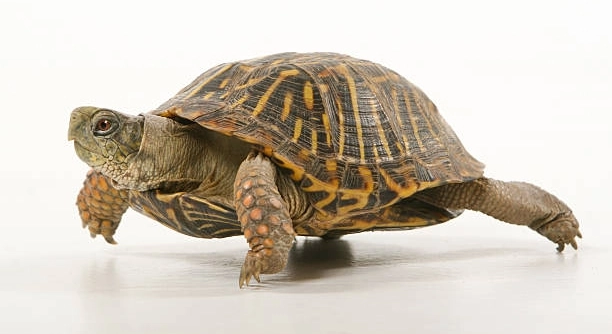
Owning a box turtle can be a rewarding experience, especially when you create an environment that promotes their well-being. DIY projects can enhance their living space, offering both enrichment and functionality. Here are seven advanced ideas for turtle owners.
Advanced DIY projects for box turtle owners include building custom habitats, creating basking platforms, and incorporating water features. These projects enhance the turtle’s natural environment, encouraging exercise, relaxation, and overall health, ensuring they thrive in captivity.
These projects offer creative ways to improve your turtle’s life and deepen the bond you share. Keep reading for step-by-step ideas!
Building a Custom Habitat for Your Box Turtle
Creating a custom habitat is one of the most rewarding DIY projects for box turtle owners. Not only does it give your turtle a more comfortable space, but it also allows you to cater to their specific needs. Start with a large enclosure, as box turtles require room to roam. Include areas for both land and water, since box turtles are semi-aquatic and thrive in both environments. Add elements like natural plants, logs, and rocks to simulate their natural surroundings. This setup will encourage them to explore and engage with their environment, which is essential for their physical and mental health.
Ensure the temperature and humidity levels are properly regulated. Box turtles are sensitive to temperature fluctuations, so it’s important to have a heat source, such as a basking lamp, and to maintain humidity levels appropriate for your turtle’s species. Adding a shallow water dish or pond can also help your turtle stay hydrated.
A custom habitat allows your box turtle to feel safe, comfortable, and stimulated. It also makes cleaning and maintenance easier, offering a healthier environment for your pet.
Creating Basking Platforms
Basking platforms are essential in any box turtle habitat. These elevated areas allow turtles to rest and warm up under their heat lamps.
Building a sturdy, accessible platform using natural materials like wood or rocks provides your turtle with a safe and comfortable place to bask. Ensure the platform is easy to reach and big enough for your turtle to stretch out comfortably.
Adding Water Features
Incorporating water features into your turtle’s habitat can provide both aesthetic appeal and functional benefits. A small pond or water bowl allows your turtle to swim and drink comfortably, which is essential for their well-being.
Ensure the water feature is shallow enough for your turtle to climb in and out easily. Adding aquatic plants and rocks can help make the area feel more natural. Regularly clean the water to prevent any buildup of waste or bacteria. This feature not only supports your turtle’s hydration needs but also encourages movement, which keeps them active and healthy.
A water feature adds another layer of enrichment to your turtle’s environment. It helps mimic their natural habitat while giving them a chance to exercise and explore their surroundings. It’s a simple yet effective way to improve their overall quality of life.
Creating a Hiding Spot
Box turtles need hiding spots to feel secure. Providing them with a space to retreat to when they feel stressed can help reduce anxiety.
A simple DIY hiding spot can be made from a small wooden box, hollow log, or even a small plant pot turned on its side. Place it in a corner of the enclosure, filled with soft bedding, such as coconut coir or moss. Make sure the hide is big enough for your turtle to fit inside comfortably but not too large.
A proper hiding spot helps your box turtle feel safe and secure. It mimics their natural instinct to hide from predators. It’s an important addition to any habitat, offering peace and comfort for your pet.
Providing Natural Lighting
Natural lighting is crucial for box turtles. They need exposure to UVB light to properly metabolize calcium and prevent shell deformities.
While sunlight is the best source, a UVB bulb can be used as an alternative. Position the light so that your turtle can bask under it for a few hours each day, mimicking natural sunlight.
Proper lighting promotes the health and well-being of your turtle. It also encourages natural behaviors, like basking and exploring. Ensure the lighting is strong enough but not too hot to avoid overheating your turtle’s habitat.
Building a Feeding Station
A designated feeding station helps keep your turtle’s food area clean and organized. Use a shallow dish for water and a separate one for their meals.
The station should be placed in an area away from their hiding spots to maintain a clean eating environment. It also makes feeding time more predictable and easier to manage.
FAQ
How much space does a box turtle need in its enclosure?
A box turtle requires a minimum of 10 to 20 square feet of space, depending on its size. Larger turtles may need more room to roam. Providing enough space for your turtle to explore, bask, and swim is crucial for its health and well-being. A small, cramped enclosure can lead to stress and behavioral problems. Make sure the space includes areas for both dry land and water, as box turtles are semi-aquatic.
What should I use for bedding in a box turtle’s habitat?
Coconut coir, cypress mulch, and organic topsoil are excellent bedding choices for box turtles. These materials retain moisture and provide a natural environment for your turtle. Avoid using cedar or pine shavings, as they can release harmful oils. Additionally, bedding should be deep enough for your turtle to burrow into, simulating its natural habitat. Regularly replace or clean the bedding to prevent odors and bacteria buildup.
Do box turtles need a heat lamp?
Yes, box turtles require a heat lamp to regulate their body temperature. A basking area with temperatures between 85°F to 90°F (29°C to 32°C) is ideal. Ensure the heat source is not too close, as it can cause overheating. A UVB bulb is also recommended, as it helps turtles metabolize calcium and maintain a healthy shell. Be sure to monitor the temperature with a thermometer to avoid fluctuations that may stress your turtle.
How often should I feed my box turtle?
Young box turtles need to be fed more frequently, ideally every day, while adult turtles can be fed every other day. A varied diet of vegetables, fruits, and high-protein foods like worms and insects is essential. Ensure the food is cut into manageable pieces to prevent choking. Always remove uneaten food to maintain a clean environment and prevent bacterial growth.
Can I let my box turtle roam outside?
Box turtles can roam outside in a secure, enclosed area, but only if the weather is suitable. They should not be exposed to extreme temperatures or left unsupervised. Outdoor enclosures need to be protected from predators and escape routes. If you live in an area with harsh winters, it is essential to bring your turtle indoors during cold months. Make sure the outdoor area is free of pesticides and chemicals that could harm your turtle.
How do I know if my box turtle is healthy?
A healthy box turtle will have clear, bright eyes, a smooth, hard shell, and active movements. It should eat regularly and be alert. If your turtle is lethargic, refuses food, or shows signs of illness like shell deformities, mucus around the nose, or abnormal swelling, it could be a sign of a health issue. Regular veterinary checkups are important for ensuring long-term health.
What is the best way to maintain humidity for a box turtle?
To maintain the proper humidity level for a box turtle, keep the substrate moist but not overly wet. Aim for a humidity level of 60% to 80%. A misting system or humidity tray can help maintain the moisture level. Make sure there is good ventilation in the enclosure to prevent mold growth. Monitor the humidity regularly with a hygrometer to keep it within the ideal range for your turtle’s species.
How long do box turtles live?
Box turtles are long-lived creatures, with a lifespan of 50 years or more in captivity if well cared for. Some species can even live up to 100 years. Providing a stable and enriched environment will help ensure that your turtle enjoys a long, healthy life. Regular checkups, proper diet, and a safe habitat are key to their longevity.
Can I house multiple box turtles together?
Housing multiple box turtles together can be tricky, as they can become territorial and aggressive. If you decide to house more than one, ensure that the enclosure is large enough to provide separate areas for each turtle. Observe their behavior closely, as aggression or stress can arise, particularly when food is involved. It’s often best to house them separately unless they get along well and have enough space.
How do I handle my box turtle?
Handling should be kept to a minimum, as box turtles are not typically fond of being picked up. When handling is necessary, support your turtle’s body with both hands to avoid injury. Gently lift them and avoid holding them by the shell, as it can cause stress or harm. Always wash your hands thoroughly after handling your turtle to prevent the spread of bacteria.
Final Thoughts
Caring for a box turtle requires attention to detail and a commitment to providing the best environment possible. A well-designed habitat with ample space, proper lighting, humidity, and a variety of enrichment options is essential for your turtle’s health. Each aspect of the environment plays a role in ensuring your turtle stays active, healthy, and stress-free. By incorporating natural elements like water features, hiding spots, and a balanced diet, you can replicate a safe and stimulating environment similar to their natural habitat.
It’s important to regularly monitor your turtle’s health and behavior. Watch for signs of stress, illness, or dietary issues. Maintaining proper hygiene, cleaning the habitat regularly, and ensuring a healthy diet will go a long way in preventing problems. Providing the correct temperature and UVB light is also key to supporting their metabolism and shell health. Consistency in these factors helps your box turtle thrive in a controlled, safe environment.
Remember that every turtle is unique, and some may require more specific care based on their species. Whether it’s a simple DIY project or a more advanced setup, the time and effort invested in creating a proper home for your turtle will pay off. Your box turtle’s well-being is ultimately in your hands, and by ensuring they have everything they need, you can enjoy many years of companionship. Keep learning, stay attentive to their needs, and your turtle will live a long, healthy life.

Hello,
If you enjoy the content that we create, please consider saying a "Thank You!" by leaving a tip.
Every little bit helps us continue crafting quality advice that supports the health, happiness, and well-being of pets around the world, for pets of all shapes, sizes, and species.
We really appreciate the kindness and support that you show us!