
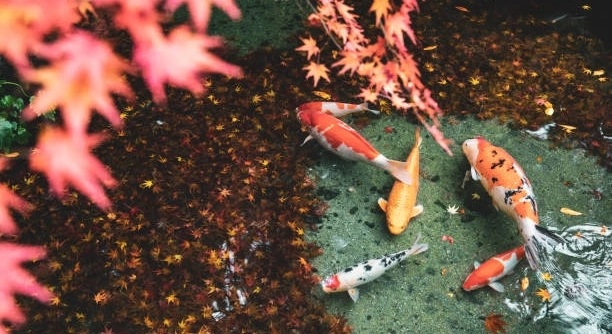
Koi fish need a comfortable environment to thrive and stay healthy. Small changes in their habitat can make a big difference in their well-being. Paying attention to these details helps keep koi calm and active.
Improving koi comfort involves adjusting water quality, temperature, space, shelter, diet, filtration, and lighting. Each factor plays a crucial role in creating a balanced environment that supports their natural behaviors and health.
These simple adjustments can greatly enhance your koi’s quality of life and make caring for them easier and more rewarding.
Water Quality and Filtration
Clean, well-filtered water is essential for koi comfort and health. Poor water quality stresses koi, making them more prone to illness. Regular testing for ammonia, nitrites, nitrates, and pH levels helps maintain safe conditions. Changing part of the water weekly reduces toxins and keeps the environment fresh. Using a good filtration system removes waste and debris, supporting oxygen levels and clarity. It’s important to balance biological, mechanical, and chemical filtration to handle all waste types. Avoid overcrowding the pond to prevent excess waste buildup. A well-maintained pond creates a stable environment where koi can swim freely without stress. Watching the water’s clarity and smell can also indicate if something needs attention. Clean water supports koi immune systems and encourages natural behaviors, which improves their overall comfort and appearance. Consistency in water care prevents sudden changes that can shock your fish and cause discomfort or disease.
Proper filtration extends beyond just cleaning. It also keeps the water oxygen-rich and balanced.
Ensuring stable water parameters can be a challenge, but it is key to koi comfort. Using reliable test kits helps monitor changes regularly. If any levels become unsafe, immediate partial water changes are necessary to avoid stress or health issues. In addition, avoid using harsh chemicals or soaps near the pond, as these can harm koi. Aeration devices like air stones or waterfalls increase oxygen levels, benefiting koi metabolism. Filters need regular cleaning to function efficiently but should not be over-cleaned, as some beneficial bacteria are needed for biological filtration. By managing water quality carefully, koi enjoy a peaceful, healthy environment that supports their natural vitality and beauty.
Temperature Control
Koi are sensitive to sudden temperature changes, which can cause stress or illness. Maintaining a stable temperature range is important.
Koi thrive best in water temperatures between 59°F and 77°F (15°C to 25°C). Sudden drops or spikes can weaken their immune system. During colder months, ponds may need heaters or aerators to prevent ice formation and keep oxygen levels steady. In summer, providing shade or deeper areas in the pond helps koi avoid overheating. Gradual changes are better than sudden shifts, so monitoring weather and adjusting pond conditions accordingly protects koi comfort. Temperature control also influences koi metabolism, appetite, and activity. Keeping the pond environment stable allows koi to grow and stay healthy without unnecessary stress.
Adding floating plants or shade structures can help regulate pond temperature naturally and provide refuge for koi during hot days.
Space and Shelter
Koi need enough space to swim freely and shelter to feel secure. Overcrowding can cause stress and aggression. Providing hiding spots helps koi relax and avoid predators.
A pond should offer at least 250 gallons of water per adult koi to ensure comfortable swimming space. When koi have room, they show more natural behaviors and grow better. Shelters like rocks, plants, or caves give koi places to rest and hide, reducing stress from bright light or predators. These hiding spots also encourage koi to explore and feel safe, which improves their overall comfort. Avoid sharp or rough edges in shelters that might harm their delicate fins.
Plants not only offer shelter but also improve water quality by providing shade and oxygen. Combining open swimming areas with well-placed hiding spots creates a balanced habitat that koi appreciate. Regularly checking pond space and shelter options helps maintain a healthy, comfortable environment for your fish.
Diet and Feeding
A balanced diet supports koi health and comfort. Feeding high-quality, nutritious food is important to meet their dietary needs.
Koi require a mix of proteins, carbohydrates, fats, vitamins, and minerals to stay healthy. Commercial koi pellets are designed to provide this balance, but supplementing with fresh vegetables and occasional treats like shrimp or worms enriches their diet. Feeding small amounts several times a day helps prevent overfeeding and water pollution. Uneaten food should be removed promptly to keep the pond clean. Seasonal adjustments in feeding, such as less food during cooler months, align with koi metabolism and activity. Overfeeding can cause obesity and water quality problems, so moderation is key.
Feeding koi by hand can also strengthen their response to you and make care more enjoyable. A proper diet not only supports growth but also improves coloration, immune function, and overall comfort in their environment. Regularly reviewing feeding habits ensures koi stay healthy and happy.
Lighting
Proper lighting affects koi comfort by regulating their day and night cycles. Too much light can stress them, while too little can disrupt their natural rhythms.
Providing natural light with some shaded areas helps koi feel safe and active. Using pond lights at night should be gentle and limited to avoid disturbing their rest.
Aeration
Oxygen is vital for koi health and comfort. Aeration keeps oxygen levels high, especially in warmer weather when oxygen decreases.
Aerators or waterfalls help circulate water and increase oxygen. Proper aeration supports koi metabolism and keeps them active and stress-free. Without enough oxygen, koi become sluggish and more vulnerable to disease. Good aeration also supports beneficial bacteria that break down waste, improving water quality. Choosing the right aeration system depends on pond size and koi population. Regularly checking oxygen levels ensures koi live in a comfortable environment that promotes health and growth.
Regular Monitoring
Keeping track of water quality, temperature, and koi behavior helps catch problems early. Regular checks prevent discomfort and illness.
FAQ
How often should I change the water in my koi pond?
Changing about 10-20% of the pond water weekly is recommended. This helps remove toxins like nitrates and refreshes minerals essential for koi health. Avoid changing too much water at once, as sudden shifts in water chemistry can stress the fish. Partial water changes maintain stability and cleanliness without shocking your koi.
What is the ideal water temperature for koi fish?
Koi do best in water between 59°F and 77°F (15°C to 25°C). Temperatures outside this range can cause stress or slow their metabolism. In colder weather, they become less active and eat less. Using pond heaters or aerators can help keep water stable in winter, while providing shade prevents overheating in summer.
How can I tell if my koi are stressed?
Signs of stress include erratic swimming, hiding excessively, loss of appetite, or faded colors. Stress can come from poor water quality, temperature changes, overcrowding, or lack of shelter. Regular observation helps you catch problems early and adjust the environment for their comfort.
What kind of food should I feed my koi?
Feed high-quality commercial koi pellets designed for balanced nutrition. Supplement their diet with vegetables like peas or lettuce and occasional protein treats such as shrimp or worms. Avoid overfeeding to prevent water pollution and obesity. Feed smaller amounts multiple times daily, especially during warmer months when koi are more active.
How important is pond filtration?
Filtration is critical for removing waste, maintaining water clarity, and supporting beneficial bacteria that break down harmful substances. Mechanical, biological, and chemical filtration work together to keep water clean and oxygenated. Proper filtration reduces stress and disease risks, helping koi thrive.
Can koi live without shelter in a pond?
While koi can survive without shelter, having hiding spots reduces stress and protects them from predators. Plants, rocks, or artificial caves create safe spaces for koi to rest and feel secure. Shelter also provides shade, which helps regulate temperature and light exposure.
How do I prevent algae growth in my koi pond?
Control algae by balancing sunlight, nutrients, and filtration. Avoid overfeeding, which increases excess nutrients feeding algae. Adding floating plants helps shade the water and compete with algae for nutrients. Regular cleaning and maintaining a healthy filtration system also keep algae under control.
Is it necessary to aerate my koi pond?
Yes, aeration keeps oxygen levels high, which koi need for breathing and metabolism. Aerators, fountains, or waterfalls increase water circulation and oxygen exchange. Especially during hot weather or in crowded ponds, aeration prevents oxygen depletion, which can lead to stress or health issues.
How much space do koi need in a pond?
Each adult koi requires at least 250 gallons of water for comfortable swimming and growth. Overcrowding causes stress and poor water quality. Providing enough space allows koi to swim naturally and reduces aggressive behavior.
What should I do if my koi get sick?
Isolate sick koi to prevent spreading illness. Check water quality immediately and perform partial water changes. Consult a veterinarian or koi specialist for diagnosis and treatment options. Maintaining clean, stable water conditions supports recovery and prevents future problems.
Regular care and attention to these details help keep koi healthy and comfortable in their pond environment.
Final Thoughts
Creating a comfortable environment for your koi is not difficult but requires consistent care and attention. Small changes in water quality, temperature, space, and feeding habits make a big difference in how your koi live and thrive. Maintaining clean water through regular testing and filtration keeps your fish healthy and stress-free. When the water is balanced and oxygen-rich, koi are more active and display brighter colors. These basic steps form the foundation of good koi care and help prevent many common problems.
Temperature control is also very important for koi comfort. Koi prefer stable water temperatures and can become stressed when the temperature changes suddenly. Providing shade during hot weather and using aerators or heaters when needed helps keep the environment stable. Koi also need enough room to swim freely and places to hide when they feel threatened. Giving them shelter with plants or structures helps them feel safe and reduces stress. A pond that balances open swimming areas with hiding spots supports natural behaviors and overall wellbeing.
Finally, feeding koi a balanced diet and not overfeeding is key to their health. Feeding small amounts of quality food several times a day suits their natural eating habits and prevents water pollution. Watching your koi’s behavior and appearance regularly lets you catch signs of stress or illness early. Regular monitoring of water quality, temperature, and koi behavior completes the care needed for a comfortable pond. With patience and attention, you can create a peaceful environment that allows your koi to live healthy, happy lives.

Hello,
If you enjoy the content that we create, please consider saying a "Thank You!" by leaving a tip.
Every little bit helps us continue crafting quality advice that supports the health, happiness, and well-being of pets around the world, for pets of all shapes, sizes, and species.
We really appreciate the kindness and support that you show us!