
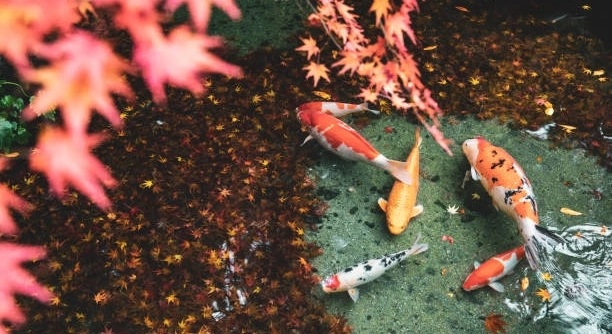
Koi fish are beautiful and calm creatures often kept in home ponds. Their natural behaviors show when they feel safe and comfortable. Supporting these behaviors can improve their well-being and make watching them more enjoyable.
Encouraging natural koi behavior involves providing activities that mimic their wild environment. These activities stimulate their instincts, promote physical health, and reduce stress by allowing koi to express natural movements and social interactions.
Exploring simple ways to engage koi can help you create a healthier, more vibrant pond environment for these lovely fish.
Providing Natural Foraging Opportunities
Koi naturally spend much of their time searching for food. In ponds, they often sift through the substrate or nibble on plants to find edible bits. By offering natural foraging opportunities, you help keep koi engaged and mentally active. Adding floating or sinking food pellets encourages them to explore different water levels. You can also scatter food over plants or near rocks so they mimic searching behaviors. Some pond owners add aquatic plants or harmless insects to provide variety. This not only simulates their diet in nature but also promotes natural movement patterns. Avoid overfeeding, as this can reduce their motivation to forage and affect water quality. Keeping the pond environment enriched with natural textures and food sources allows koi to use their instincts, which supports overall health and happiness.
Natural foraging encourages exercise and keeps koi stimulated, helping prevent boredom and lethargy.
Offering different textures and hiding places in the pond allows koi to explore and feed naturally, creating a more dynamic environment for them.
Creating Resting and Hiding Spots
Koi need calm places to rest and feel safe from sudden movements or bright light. Providing shaded areas under plants or structures helps them relax. Natural hiding spots can reduce stress and encourage natural behavior like resting or gentle schooling. Rocks, water lilies, or floating plants work well to create shade and shelter. These areas protect koi from predators and give them quiet zones to retreat to during the day. When koi have access to these spots, they tend to be more confident and active at other times. Maintaining clean water and stable temperatures in these areas supports their comfort and health. Thoughtful pond design that includes resting spaces is important to help koi express natural behaviors consistently.
Resting spots help koi feel secure and calm, which is key to their well-being.
By providing shaded and sheltered areas, koi can balance activity with needed rest, reflecting their natural daily rhythms.
Encouraging Social Interaction
Koi are social animals that naturally swim in groups. Keeping them in small groups encourages interaction and reduces stress. When koi socialize, they show more natural behaviors like following, playing, and even establishing simple hierarchies. This helps keep them mentally and physically active.
Group swimming helps koi feel safe and express behaviors that would be limited if they were alone. It encourages movement and reduces loneliness, which can affect their health negatively. Watching koi swim together is also calming for pond owners.
Adding enough space for groups allows koi to move freely and interact naturally. Avoid overcrowding, as this can cause aggression or stress. Providing a balanced social environment keeps koi thriving and happier.
Using Environmental Enrichment
Changing the pond environment occasionally keeps koi curious and active. Adding new plants, rocks, or decorations can stimulate their exploration and reduce boredom. Natural elements encourage koi to investigate their surroundings and interact more with the habitat. Enrichment keeps their minds sharp.
Introducing new textures or hiding spots gives koi different experiences that mimic natural changes in the wild. This prevents stagnant behavior and promotes healthy exercise. Small changes keep their environment interesting without causing stress.
Rotating enrichment items every few weeks helps maintain interest and engagement. Keeping the pond environment dynamic supports koi’s physical and mental well-being. It’s a simple way to encourage their natural curiosity.
Stimulating Play Behavior
Koi enjoy gentle play that involves chasing bubbles or floating objects. Introducing safe, lightweight toys can encourage this playful behavior. Play keeps koi active and sharpens their natural instincts.
Floating balls or bubble streams provide gentle stimulation without stress. These simple additions create opportunities for exercise and fun.
Encouraging Surface Feeding
Feeding koi at the water’s surface engages their natural feeding habits. Using floating pellets or treats encourages koi to come up and interact with their environment.
Surface feeding mimics natural conditions where koi feed on insects or debris floating on ponds. This also allows pond keepers to observe koi behavior more closely.
Providing Varied Water Flow
Koi are used to different water currents in natural streams. Creating areas with gentle water flow or small cascades helps stimulate their natural swimming patterns. Varying water flow encourages exercise and helps maintain muscle tone.
Using Natural Light Cycles
Maintaining natural light and dark cycles supports koi’s internal rhythms. Avoiding constant artificial light helps regulate their behavior and feeding times. Proper light cycles contribute to koi health and natural activity patterns.
How do I know if my koi are expressing natural behavior?
Natural koi behavior includes swimming smoothly in groups, foraging along the pond bottom or plants, and resting calmly in shaded areas. They will often follow each other, chase bubbles or floating objects, and respond quickly to food at the surface. Healthy koi usually display curiosity and active movement, avoiding hiding all the time. If koi seem lethargic, hide excessively, or stop eating, these could be signs their environment isn’t supporting natural behavior well.
What types of foods best encourage natural foraging?
To encourage natural foraging, use a mix of sinking and floating pellets suited for koi nutrition. Occasionally scatter small amounts rather than feeding all at once to promote searching behavior. Adding live or frozen foods like bloodworms or brine shrimp can simulate a wild diet. Introducing aquatic plants also provides natural grazing opportunities. Avoid overfeeding, as excess food reduces their motivation to forage and can harm water quality.
Can koi live happily alone, or do they need companions?
Koi are social creatures and thrive best when kept in groups. Alone, koi can become bored or stressed, leading to health issues. Groups encourage natural schooling, reduce aggression, and help koi feel safer. A group of at least three koi is recommended to allow for social interaction. However, overcrowding should be avoided to prevent stress and water quality problems.
How often should I change the pond environment to keep koi stimulated?
Changing the pond environment every few weeks to a couple of months can keep koi mentally engaged. Simple additions like new plants, rocks, or floating decorations refresh their habitat and encourage exploration. However, changes should be gradual to avoid stressing the fish. Frequent small adjustments work better than large, sudden changes.
Is it important to provide shaded areas and hiding spots?
Yes, shaded areas and hiding spots are vital for koi well-being. These areas provide a place to rest, reduce stress, and protect koi from harsh sunlight or predators. Plants like water lilies, floating vegetation, or rocks create natural shelter. Without these spots, koi may feel vulnerable and less likely to show natural behavior.
What kind of toys or enrichment items are safe for koi?
Lightweight floating balls, bubble streams, or smooth, non-toxic decorations can encourage playful behavior. Avoid sharp or rough materials that could harm koi skin or fins. Items should be large enough not to be swallowed. Enrichment should stimulate curiosity without causing stress.
How can I maintain proper water flow to support koi behavior?
Providing varied water flow helps mimic natural stream conditions. Use waterfalls, small pumps, or aerators to create gentle currents in parts of the pond. Koi enjoy swimming against flowing water, which builds strength and encourages natural movement. Avoid overly strong currents that could tire them out or cause stress.
Does lighting affect koi behavior?
Natural light cycles are essential for koi health. Keeping a regular day and night schedule helps regulate feeding and activity patterns. Avoid constant artificial lighting, which can disrupt their internal clock and cause stress. Using pond placement or floating plants to manage light intensity is beneficial.
How can I tell if my koi are stressed?
Signs of stress include hiding excessively, lack of appetite, erratic swimming, or rubbing against surfaces. Stress can be caused by poor water quality, overcrowding, lack of stimulation, or sudden environmental changes. Regularly observing koi behavior helps catch early signs, allowing for adjustments in care or environment.
What role does water quality play in natural behavior?
Water quality directly affects koi’s ability to display natural behavior. Clean, well-oxygenated water with stable temperature encourages activity and feeding. Poor water conditions lead to lethargy, illness, and hiding. Regular testing and maintenance, including filtration and water changes, are necessary for koi well-being.
Are there risks with introducing live plants or insects for enrichment?
Introducing live plants and insects can benefit koi by providing natural food and hiding spots, but care is needed. Plants should be non-toxic and well-established to avoid decaying matter. Live insects must be safe and free of pesticides or diseases. Introducing new species slowly and monitoring koi response helps prevent problems.
How much space do koi need to exhibit natural behaviors?
Koi require enough pond space to swim freely, forage, and interact with other fish. A minimum of 250 gallons per adult koi is a good rule to avoid crowding. Larger spaces allow for varied swimming patterns, exploration, and resting areas, all essential for natural behavior.
Can seasonal changes affect koi behavior?
Yes, koi behavior changes with the seasons. In cooler months, they become less active and eat less, often resting near the pond bottom. Warmer weather increases activity, feeding, and social behaviors. Understanding these changes helps adjust care, such as feeding amounts and monitoring water conditions.
How does feeding at the surface benefit koi?
Feeding at the surface mimics natural feeding on floating insects or debris. It encourages koi to come up and interact with their environment, promoting natural movement and alertness. This method also allows pond owners to observe koi health and behavior closely.
What are signs that my koi pond needs more enrichment?
If koi seem bored, inactive, or show repetitive behaviors like pacing, your pond may lack stimulation. Limited foraging, no social interaction, or little exploration also indicate the need for enrichment. Adding plants, toys, or varying water flow can improve their environment and behavior.
Is it necessary to monitor koi behavior regularly?
Regular observation is key to understanding koi health and well-being. Noticing changes in activity, feeding, or social interaction helps identify stress or illness early. Monitoring also informs adjustments needed in enrichment or pond care to maintain a supportive environment.
How do I safely introduce new enrichment items?
Introduce new items gradually, observing koi reaction for any signs of stress or injury. Clean all decorations and plants before adding them to avoid contamination. Avoid overcrowding the pond with too many changes at once. Slowly rotating items keeps the environment interesting without overwhelming the fish.
When caring for koi, it is important to remember that these fish have natural behaviors that help them stay healthy and happy. Providing a pond environment that supports these behaviors can make a big difference in their well-being. Simple activities like offering foraging opportunities, creating shaded resting areas, and encouraging social interaction all play a role in keeping koi active and comfortable. These elements help koi express their natural instincts and reduce stress, which is essential for their long-term health.
Adding variety to the pond is also important. Changing the environment with new plants, gentle water flow, and safe enrichment items keeps koi curious and engaged. This prevents boredom and supports their mental health. Natural light cycles and proper water quality are equally important because they help koi maintain their normal rhythms and avoid stress. Making sure the pond is not overcrowded and that koi have enough space to swim freely also supports natural behaviors and overall fitness.
In the end, creating a balanced and stimulating environment for koi is about understanding their needs and providing opportunities for natural expression. These fish thrive when they can explore, feed, rest, and interact in ways that feel familiar to them. By paying attention to their behavior and making small improvements, you can enjoy a vibrant pond filled with lively, healthy koi. The time and care you put into supporting their natural habits will be rewarding for both you and the fish.

Hello,
If you enjoy the content that we create, please consider saying a "Thank You!" by leaving a tip.
Every little bit helps us continue crafting quality advice that supports the health, happiness, and well-being of pets around the world, for pets of all shapes, sizes, and species.
We really appreciate the kindness and support that you show us!