
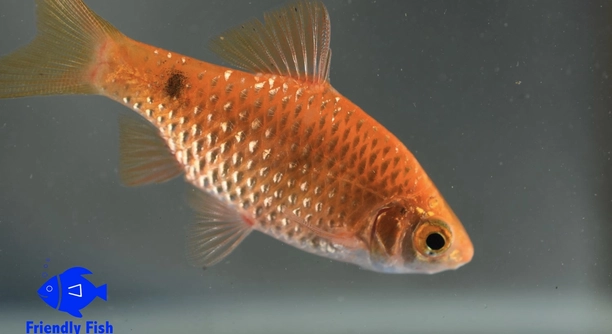
Rosy barbs are popular freshwater fish known for their vibrant colors and active behavior. Many fish keepers enjoy watching them swim and interact in their tanks. Recognizing when rosy barbs are happy helps ensure their well-being.
Rosy barbs display happiness through specific behaviors such as active swimming, bright coloration, regular feeding, and social interaction with other fish. These actions indicate good health and a comfortable environment.
Observing these signs can improve your care routine and create a better home for your rosy barbs. Understanding their behavior is key to a thriving aquarium.
Active Swimming and Exploration
Rosy barbs show happiness through lively swimming and exploring their environment. When these fish glide smoothly around the tank, it means they feel safe and comfortable. You might notice them darting between plants or investigating decorations. This activity helps keep them healthy and mentally stimulated. A happy rosy barb will spend time near the middle and upper levels of the tank, not just hiding at the bottom. When they swim actively, it also signals that the water conditions are suitable and the temperature is right. If you see your rosy barbs moving with energy and curiosity, it’s a good sign that they are thriving in their home.
Regular movement like this encourages a natural behavior pattern, which is essential for their overall health and well-being.
Keeping their tank clean and well-planted can help maintain this active behavior. Providing enough space and hiding spots also supports their comfort and happiness.
Bright Coloration
The brightness of rosy barbs’ colors reflects their mood and health. When they are happy, their red and orange hues become vivid and noticeable. Dull or faded colors often point to stress or illness, but vibrant tones show they are well-nourished and in a good environment. Good lighting and a balanced diet help maintain these bright colors. It’s important to feed them high-quality fish food rich in nutrients that enhance their natural pigmentation. Watching these lively colors is rewarding and offers a clear sign of your rosy barbs’ well-being.
Healthy rosy barbs often display their best colors after feeding or during social interactions.
Color intensity varies slightly between males and females, with males usually showing brighter shades to attract attention and compete with others. Observing the colors regularly can help detect any changes that may need attention.
Social Interaction and Feeding Behavior
Rosy barbs are social fish that enjoy the company of their own kind and other peaceful species. They often swim together in groups, which helps them feel secure and happy. When they interact by chasing each other gently or swimming side by side, it is a sign of healthy social behavior. A happy rosy barb will respond quickly during feeding time, eagerly coming to the surface or wherever the food is offered. They don’t shy away or hide but instead show interest and energy. Consistent feeding patterns also reflect comfort with their environment.
Feeding rosy barbs on a schedule helps build trust and keeps their mood steady.
Providing a variety of foods like flakes, pellets, and occasional live or frozen treats ensures they get balanced nutrition. Avoid overfeeding, as it can harm water quality and their health. Watching your fish eagerly accept food and interact socially confirms their happiness. Social behavior and feeding responses are important parts of their daily routine and reflect a well-maintained aquarium.
Comfortable Resting and Hiding Spots
Rosy barbs need places to rest and hide to feel secure. When they use these spots calmly, it shows they are comfortable in their tank. They don’t stay hidden all day but return when they want to relax or feel safe.
Providing plants, rocks, and decorations creates good hiding spots. These areas help reduce stress and mimic their natural environment. Watching rosy barbs rest calmly among plants or decorations is a clear sign of contentment. If they never use hiding spots, it could mean they feel unsafe or stressed.
Balanced lighting also helps, as too bright light can make them hide more often. Adjusting the environment to fit their needs supports their happiness and health in the long run.
Healthy Appetite and Growth
A rosy barb with a healthy appetite indicates good well-being. They eagerly eat during feeding times and show interest in different types of food. Consistent eating habits mean they are comfortable and receiving proper nutrition.
Good nutrition supports their growth and vibrant colors. Rosy barbs that grow steadily and maintain bright colors tend to be in optimal health. Poor appetite or slow growth may signal illness or environmental problems that need attention.
Regular feeding with a variety of high-quality foods promotes strong immune systems. Watching their steady growth and eagerness to eat confirms they are happy and well cared for in their aquarium.
Smooth and Healthy Fins
Healthy rosy barbs have smooth, intact fins without tears or discoloration. When their fins look well-maintained, it shows they are not stressed or fighting. Damaged fins can indicate poor water quality or aggression.
Regular observation helps catch fin problems early. Keeping water clean and avoiding aggressive tank mates supports fin health.
Active Breathing and Clear Eyes
Normal breathing and clear eyes are signs of a happy rosy barb. Rapid gill movement or cloudy eyes may point to health issues. Watching their breathing rate and eye clarity is an easy way to monitor their condition.
Clear eyes and steady breathing mean they are comfortable and well cared for in their tank.
Positive Response to Tank Conditions
Rosy barbs react well to stable water conditions. When parameters like temperature and pH are steady, they swim actively and look healthy. Sudden changes can stress them, causing sluggish behavior or hiding.
Maintaining a consistent environment promotes their happiness and long-term health.
Regular Interaction
Rosy barbs show happiness through regular interaction with their environment. They respond to movement near the tank and swim toward activity. This behavior reflects trust and comfort.
Interaction helps keep them mentally engaged and content in their space.
How can I tell if my rosy barbs are stressed?
Stress in rosy barbs can show through several behaviors. They may hide more often, swim erratically, or lose their bright colors. Fins might look clamped or damaged, and they could lose their appetite. Watching for these signs helps catch stress early, allowing you to adjust their environment or care. Stress often results from poor water quality, overcrowding, or sudden changes in temperature. Maintaining a clean tank with stable conditions reduces stress and keeps your fish healthy.
What is the ideal tank setup for rosy barbs?
Rosy barbs thrive in a tank with at least 20 gallons, plenty of swimming space, and well-planted areas for hiding. Use smooth gravel or sand as a substrate and add decorations like rocks or driftwood. Keep the water temperature between 64°F and 72°F and maintain a pH of 6.5 to 7.5. A good filter is essential to maintain water quality. Regular water changes, about 20% weekly, help prevent waste buildup. Providing proper tank conditions supports their health and happiness.
Can rosy barbs live with other fish?
Yes, rosy barbs are generally peaceful but can be semi-aggressive, especially males during breeding. They do well with other active, similarly sized fish like danios, tetras, or other barbs. Avoid slow-moving or long-finned species that might get nipped. Keeping rosy barbs in groups of five or more reduces aggression since they focus on each other. Monitoring their behavior helps maintain a peaceful tank community.
How often should I feed my rosy barbs?
Feed rosy barbs once or twice daily with small portions they can finish in two to three minutes. Overfeeding leads to poor water quality and health issues. A varied diet with high-quality flakes or pellets supplemented by occasional live or frozen foods like bloodworms or brine shrimp keeps them healthy. Remove any uneaten food to prevent water contamination. Feeding on a regular schedule supports their growth and energy levels.
What are common diseases in rosy barbs, and how can I prevent them?
Common diseases include ich (white spot disease), fin rot, and fungal infections. Poor water quality and stress increase the risk. Prevention starts with clean water, proper tank maintenance, and avoiding overcrowding. Quarantining new fish before adding them to the tank reduces disease introduction. If disease appears, treating with appropriate medication and improving tank conditions helps recovery. Early detection is crucial for effective treatment.
How do rosy barbs breed in captivity?
Rosy barbs spawn by scattering eggs among plants. To encourage breeding, provide fine-leaved plants and slightly warmer water around 72°F to 75°F. Separate males and females beforehand, then introduce them together. After spawning, remove adults to prevent egg eating. Eggs hatch in 2-3 days, and fry need infusoria or specially prepared food at first. Breeding rosy barbs requires patience and careful tank management to ensure fry survival.
What is the average lifespan of rosy barbs?
With good care, rosy barbs live about 5 to 7 years. Proper diet, clean water, and a stress-free environment contribute to their longevity. Regular monitoring for health issues and tank maintenance helps them live a full life. Lifespan may vary depending on genetics and care quality.
How important is tank maintenance for rosy barbs?
Tank maintenance is essential for rosy barbs’ health and happiness. Regular water changes remove toxins, control algae, and keep water parameters stable. Cleaning filters and substrate prevents waste buildup. Neglecting maintenance leads to poor water quality, stressing fish and increasing disease risk. A consistent routine supports their active behavior and vibrant colors, ensuring a thriving aquarium.
Taking care of rosy barbs involves paying close attention to their behavior and environment. These fish show happiness in many simple ways, such as swimming actively, showing bright colors, and interacting with each other. Observing these signs regularly can help you understand if your fish are doing well. It also allows you to spot any changes that might mean something is wrong. Providing a clean tank, good water conditions, and a proper diet supports their health and helps them stay happy. Knowing what makes your rosy barbs comfortable makes the experience of keeping them more rewarding.
It is important to remember that rosy barbs, like all fish, depend on a stable environment to thrive. Sudden changes in temperature or water quality can stress them and cause health problems. Maintaining steady water conditions and a balanced diet is key. They also need enough space to swim and places to hide when they want to rest. Watching their behavior can guide you in making changes to their tank. When rosy barbs are healthy and content, they become more vibrant and active, which adds life to your aquarium. Their behavior is a direct reflection of the care you provide.
Taking time to learn about your rosy barbs’ needs can improve their quality of life. Regular observation and proper care help prevent common issues like stress and illness. This makes your fish more enjoyable to watch and keeps them living longer. Each action that shows your rosy barbs are happy reflects your efforts in maintaining a good home for them. A healthy aquarium is a peaceful place for both fish and fish keeper, where everyone benefits from attention and care. Staying consistent with their needs creates a positive experience for your rosy barbs and for you.

Hello,
If you enjoy the content that we create, please consider saying a "Thank You!" by leaving a tip.
Every little bit helps us continue crafting quality advice that supports the health, happiness, and well-being of pets around the world, for pets of all shapes, sizes, and species.
We really appreciate the kindness and support that you show us!