
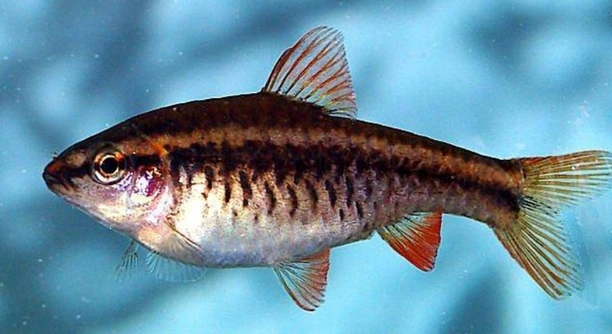
Cherry barbs are small, colorful fish that thrive in a variety of aquarium setups. While they are not particularly demanding in terms of accessories, certain additions can enhance their living environment and overall well-being.
Cherry barbs benefit from accessories that provide both functional and aesthetic value. A well-planted aquarium with soft decorations, such as moss or driftwood, can mimic their natural habitat, promoting comfort and reducing stress. Additionally, suitable filtration and lighting can improve their health.
These accessories not only improve the aesthetic appeal but also ensure the long-term health and happiness of your cherry barbs. Keep reading to learn which accessories work best in creating an ideal environment for them.
Aquarium Plants for Cherry Barbs
When considering accessories for cherry barbs, live plants are a top choice. These fish naturally thrive in environments with plenty of greenery, providing both hiding spots and a source of oxygen. Adding live plants to the tank helps mimic the natural habitat of cherry barbs, making them feel more secure and comfortable. Plants like java moss, water wisteria, and hornwort work well with these fish, offering coverage while also supporting water filtration.
Choosing the right plants also helps with water quality, as they absorb excess nutrients that could otherwise lead to algae growth. Additionally, plants serve as a food source for the fish, allowing them to graze on algae or plant matter.
Adding plants is simple and effective in promoting the overall health of cherry barbs. While they are low-maintenance, providing these fish with a variety of plant life will enhance their well-being and ensure they thrive in their tank. Consider the needs of both your fish and plants when choosing the best setup for your aquarium.
Proper Filtration and Water Flow
Filtration is essential for maintaining a healthy environment. Cherry barbs require a gentle water flow to thrive. Too strong a current can cause them stress and prevent them from swimming freely. A filter with adjustable flow rates is ideal for these small fish, allowing you to find the perfect balance of clean water and minimal movement.
A quality filter ensures that the water remains free from harmful toxins, supporting the health of cherry barbs. Over time, waste can accumulate in an aquarium, leading to dangerous ammonia levels. A well-maintained filtration system will keep these levels low, reducing the risk of illness.
In addition to filtration, regular water changes are necessary to maintain optimal water quality. Cherry barbs benefit from a stable, clean environment, where they can swim freely without being impacted by fluctuating water conditions.
Suitable Lighting for Cherry Barbs
Lighting is a key element when setting up a tank for cherry barbs. They prefer moderate lighting, which helps maintain plant health and creates a peaceful environment. Avoid strong, harsh lights, as these can stress the fish and disrupt their natural behaviors.
For the best results, choose LED lights with adjustable settings. These lights can mimic the gentle sunlight cherry barbs would experience in their natural habitat, enhancing the aquarium’s aesthetic while promoting healthy growth of plants. A 10 to 12-hour light cycle works well to simulate day and night.
Using a timer for the lights helps maintain consistency and reduces stress on your fish. Cherry barbs do best when their light cycle is stable, promoting their natural behavior and biological rhythms. Proper lighting not only supports their comfort but also helps with plant growth and water clarity.
Gravel and Substrate Choices
Choosing the right substrate is important for both the health of your fish and the plants in the tank. Cherry barbs prefer a fine, soft substrate like sand or small gravel. This helps prevent injury to their delicate fins and allows plant roots to grow effectively.
A dark substrate is often recommended as it brings out the bright colors of cherry barbs, creating a visually appealing setup. In addition, fine substrates make it easier to plant live plants and maintain water quality. Keeping the substrate clean with regular vacuuming also prevents harmful debris buildup.
Remember, cherry barbs thrive in a well-balanced environment, where the substrate, plants, and decorations work together. Providing them with the right substrate will not only enhance their comfort but also promote healthy water conditions for a thriving aquarium.
Decorations and Hiding Spots
Cherry barbs appreciate having decorations in their tank, especially those that provide hiding spots. These fish are shy and may feel stressed without areas to retreat to when they need rest. Rocks, caves, or driftwood are ideal for creating these hiding spaces.
Adding decorations not only enhances the tank’s appearance but also supports the mental health of the fish. It gives them a sense of security, which is important for their overall well-being. When choosing decorations, ensure that they are smooth and free from sharp edges to avoid injury.
Tankmates for Cherry Barbs
Cherry barbs are peaceful and get along well with other non-aggressive fish. They thrive in community tanks with species that share similar water temperature and pH requirements. Suitable tankmates include tetras, guppies, and Corydoras catfish.
However, avoid larger or overly aggressive fish that could intimidate or harm the barbs. Ensuring a harmonious environment will promote natural behaviors, like schooling, and prevent stress. A well-chosen mix of tankmates contributes to the health and well-being of all the fish in the tank.
Water Temperature and pH
Maintaining the right water temperature and pH is crucial for cherry barbs. These fish thrive in temperatures between 72-80°F (22-27°C), and they prefer slightly acidic to neutral water with a pH of 6.5-7.5. Keeping the water within these parameters helps ensure they stay healthy.
FAQ
What size tank do cherry barbs need?
Cherry barbs do well in tanks that are at least 20 gallons in size. A tank this size provides enough space for a small group of fish to swim comfortably and exhibit their natural behaviors. A larger tank will help maintain stable water conditions, which is essential for the fish’s health.
Can cherry barbs live with other fish?
Yes, cherry barbs are peaceful and work well in community tanks. They can live with other non-aggressive species such as tetras, guppies, and Corydoras catfish. When choosing tankmates, make sure to avoid larger, more aggressive species that could intimidate or harm them.
How many cherry barbs should be kept together?
Cherry barbs should ideally be kept in groups of at least 5 to 6. They are social fish and will feel more comfortable when surrounded by others of their species. A larger group encourages natural schooling behavior and reduces stress.
Do cherry barbs need a heater?
Cherry barbs do best in tropical temperatures between 72-80°F (22-27°C). A heater is necessary to maintain this stable temperature, especially in cooler rooms. It helps keep the water consistent and within the range that cherry barbs prefer, ensuring their health.
What kind of diet do cherry barbs require?
Cherry barbs are omnivores and will eat both plant and animal-based foods. Their diet should include high-quality flakes or pellets, supplemented with live or frozen foods like brine shrimp and daphnia. Occasional plant matter such as algae or spinach will also be beneficial for their health.
How often should I feed cherry barbs?
Feed cherry barbs once or twice a day. Offer only as much food as they can consume in a few minutes to prevent overfeeding. Overfeeding can lead to poor water quality and health issues for the fish. Adjust the amount based on their activity level.
Are cherry barbs prone to any diseases?
Like all fish, cherry barbs are susceptible to certain diseases, especially if water quality is poor. Common issues include ich, fin rot, and fungal infections. To prevent disease, maintain good water quality, avoid overcrowding, and observe the fish regularly for signs of illness.
Can cherry barbs live with snails?
Yes, cherry barbs can live with snails in the same tank. Snails, such as nerite or mystery snails, are peaceful and pose no threat to cherry barbs. In fact, snails can help clean up leftover food and algae, benefiting the overall tank environment.
How do I know if my cherry barbs are stressed?
Signs of stress in cherry barbs include loss of color, erratic swimming, or hiding excessively. Stress can be caused by poor water quality, overcrowding, or aggressive tankmates. Ensure proper tank conditions and provide enough space for the fish to swim freely to reduce stress.
What plants are best for cherry barbs?
Cherry barbs enjoy a tank with a variety of plants. Good options include java moss, water wisteria, and anubias. These plants provide hiding spots, oxygenate the water, and help create a more natural environment for the fish.
How long do cherry barbs live?
With proper care, cherry barbs typically live for about 3 to 5 years. A stable environment with regular water changes, a balanced diet, and appropriate tank conditions can help them live longer and remain healthy throughout their life.
Do cherry barbs need a lot of space to swim?
While cherry barbs do not need a massive tank, they do enjoy having space to swim and explore. Providing them with plenty of open swimming areas and decorations to hide in will keep them active and reduce stress. The more space they have, the happier they will be.
What is the ideal pH for cherry barbs?
Cherry barbs prefer water with a pH between 6.5 and 7.5. Keeping the pH within this range helps maintain their overall health and prevents stress. Regular testing of the water can help ensure that the pH remains stable.
Can cherry barbs breed in a home aquarium?
Yes, cherry barbs can breed in a well-maintained aquarium. If you want to breed them, provide plenty of plants for the eggs to adhere to, and separate the males and females to encourage spawning. After spawning, remove the parents to prevent them from eating the eggs.
What should I do if my cherry barbs are not eating?
If your cherry barbs are not eating, check the water quality first. Poor water conditions can cause a loss of appetite. Also, ensure that you are offering a variety of foods. Sometimes, a change in diet or feeding time can help encourage them to eat.
Can cherry barbs tolerate low light?
While cherry barbs do not require bright lighting, they do need moderate lighting to feel comfortable and maintain their natural behavior. Low light can negatively affect their health and the growth of plants in the tank. Use a low to moderate intensity light to simulate their natural environment.
How do I care for baby cherry barbs?
Baby cherry barbs need a separate tank with gentle filtration and plenty of plant matter to hide in. Feed them small, finely crushed foods or baby brine shrimp. Keeping the water quality high is especially important for the survival of the fry. Regularly change the water and monitor their growth.
Final Thoughts
Cherry barbs are a great addition to a community aquarium due to their peaceful nature and vibrant colors. They thrive in well-maintained tanks with suitable tankmates, proper water conditions, and enough space to swim. When cared for properly, they can live for several years, providing a dynamic and beautiful presence in your aquarium. Understanding their specific needs is key to keeping them healthy and happy.
Providing a stable environment is crucial for the well-being of cherry barbs. They require moderate lighting, a comfortable substrate, and consistent water temperature to feel at ease. Regular water changes and monitoring of water parameters will ensure that they stay healthy. A well-balanced diet is also important, with a mix of flake foods, frozen or live foods, and occasional plant matter. With the right care, cherry barbs can thrive in your tank.
Lastly, keeping a peaceful environment is vital. Cherry barbs do best with other non-aggressive fish that share similar water requirements. Avoiding aggressive tankmates helps reduce stress and ensures that the fish can display their natural behaviors, like schooling. By creating a harmonious tank with proper decorations, hiding spots, and suitable companions, cherry barbs can live in an environment that mirrors their natural habitat, leading to a long and healthy life in your aquarium.

Hello,
If you enjoy the content that we create, please consider saying a "Thank You!" by leaving a tip.
Every little bit helps us continue crafting quality advice that supports the health, happiness, and well-being of pets around the world, for pets of all shapes, sizes, and species.
We really appreciate the kindness and support that you show us!